The primary observable sign that indicates honey may be ready for harvesting is when bees cap the honeycomb cells with a layer of wax. This behavior typically occurs at the end of a nectar season, signaling that the bees have filled the frames and finished processing the honey.
While the wax cap is the biological signal that honey is finished, the true metric of readiness is low moisture content. Capping indicates the honey has dehydrated enough to prevent fermentation, but scientific verification is the best way to guarantee shelf stability.
Decoding the Bees' Behavior
The Wax Seal
The most distinct visual cue is the appearance of a wax cap over individual cells.
Bees produce this capping only when the honey has been processed to their standards.
If you see open, uncapped cells containing nectar, the bees are likely still reducing the water content.
Alignment with Nectar Flows
Harvesting typically aligns with the completion of nectar flows in spring or summer.
When the flow of nectar from local flora slows down, bees work to finalize their stores.
A fully capped frame at this time suggests the cycle of production for that season is complete.
Beyond the Visuals: Ensuring Stability
The Moisture Criticality
The biological purpose of capping is to preserve the honey by sealing it at a specific moisture content.
If moisture levels are too high, yeast naturally present in the honey can become active.
This leads to fermentation, which spoils the harvest and makes it unsuitable for long-term storage.
The Role of the Refractometer
While the wax cap is a strong indicator, it is a qualitative sign rather than a quantitative one.
To ensure the honey is truly consumable and stable, you should use a refractometer.
This device scientifically measures the precise moisture percentage, confirming what the bees' behavior suggests.
Common Pitfalls and Trade-offs
The Risk of Visual Reliance
Relying solely on visual capping can sometimes be misleading if environmental humidity is high.
Bees may cap honey that is on the borderline of safe moisture levels in very humid conditions.
Harvesting based purely on visuals without testing carries a slight risk of spoilage.
Partial Capping Ambiguity
You may encounter frames that are only partially capped.
Harvesting uncapped frames introduces high-moisture nectar into your batch.
This dilutes the quality of the capped honey and significantly increases the risk of fermentation.
Making the Right Choice for Your Goal
To ensure your harvest is successful, balance observation with verification.
- If your primary focus is quick assessment: Look for frames where the bees have fully capped the honeycomb cells with wax.
- If your primary focus is product quality and longevity: Use a refractometer to verify the moisture content matches the visual signal of the capping.
Trust the bees' timing, but verify their work with the right tools to ensure a lasting harvest.
Summary Table:
| Indicator | Type of Sign | Meaning/Action Required |
|---|---|---|
| Wax Capping | Visual/Biological | Bees have finished processing; moisture is likely low. |
| Nectar Flow End | Seasonal | Signals the completion of the production cycle. |
| Refractometer Reading | Quantitative | Scientific verification of moisture (ideally < 18%). |
| Uncapped Cells | Visual/Warning | Indicates high water content; high risk of fermentation. |
Elevate Your Honey Production with HONESTBEE
At HONESTBEE, we understand that professional beekeeping requires precision and the right tools. Whether you are a commercial apiary or a distributor, we provide the full spectrum of high-quality equipment to turn your bees' hard work into a premium product.
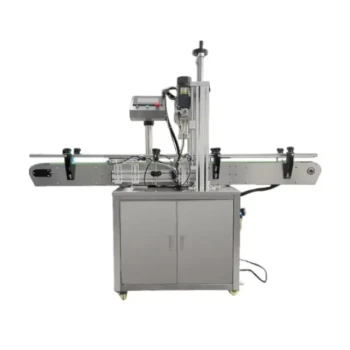
From refractometers for moisture verification to industrial-grade honey-filling machines and hive-making machinery, we offer the comprehensive wholesale solutions you need to scale your operations.
Ready to upgrade your honey processing?
Contact Us Today to Explore Our Wholesale Catalog
HONESTBEE: Your trusted partner for professional beekeeping tools, machinery, and honey-themed merchandise.
Related Products
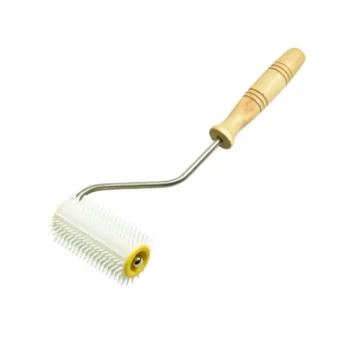
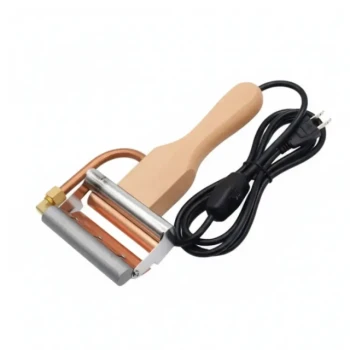
- Professional Honey Uncapping Roller for Efficient Harvesting
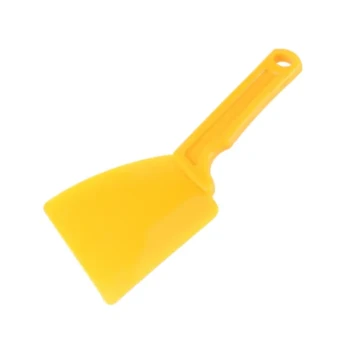
- Professional Honey Scraper for Efficient Apiary Maintenance
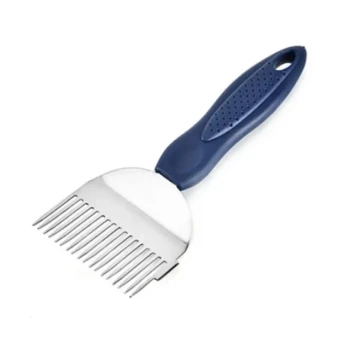
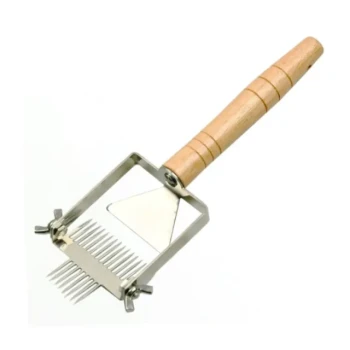
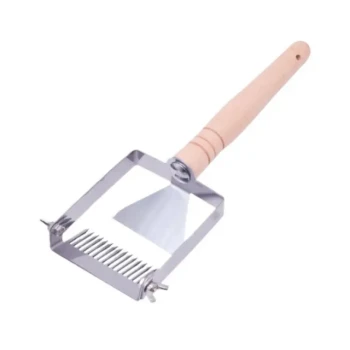
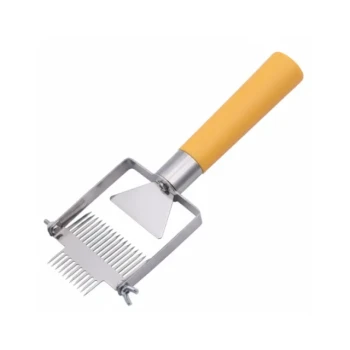
- Adjustable Stainless Steel Honey Uncapping Fork with Plastic Handle for Beekeeping
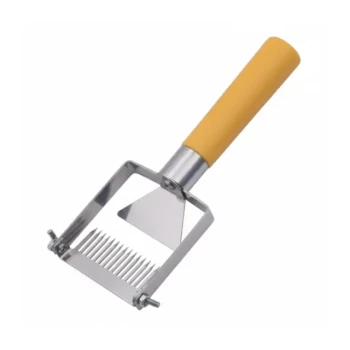
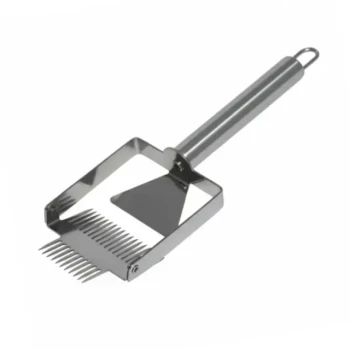
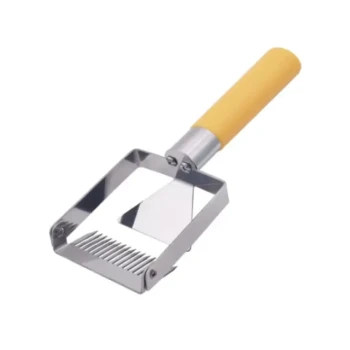
- Professional Multi-Function Uncapping Fork with Integrated Blade for Beekeeping
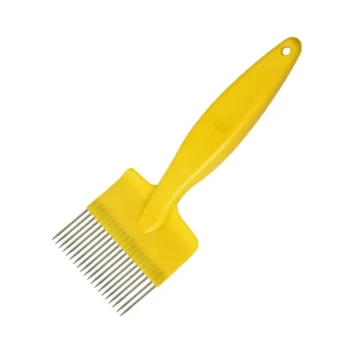
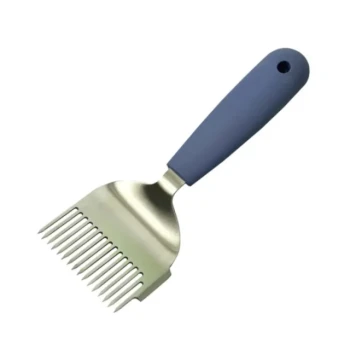
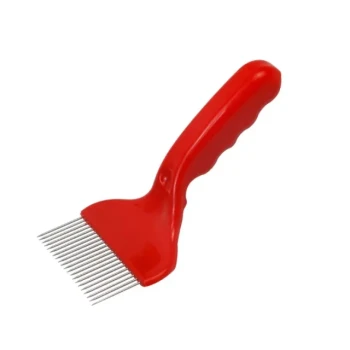
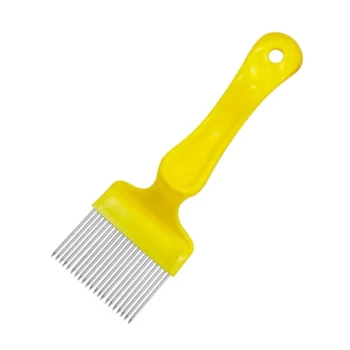
- Professional Durable Plastic Handle Honey Uncapping Fork
People Also Ask
- What other tools are available for honey uncapping besides knives? Find the Right Tool for Your Apiary's Scale
- What are the methods of uncapping honey? A Guide to Tools for Efficient Harvests
- What tools are available for uncapping honey? A Guide to Choosing the Right Tool for Your Operation
- What tools can be used to uncap honey cells? Expert Guide to Efficient Honey Extraction Equipment
- What are the essential tools for uncapping honey frames? Choose the Right Tool for Your Apiary