Exercise extreme caution when evaluating second-hand beekeeping equipment. The most critical precaution is to avoid used wooden items entirely unless you can verify their history with absolute certainty, as infectious diseases can persist in the wood for years and devastate your new colony.
Core Takeaway Used woodenware is a common transmission vector for dormant bee diseases. Unless you source the equipment from a reputable beekeeper you personally trust, the financial savings are rarely worth the high biological risk.
The Hidden Risks of Second-Hand Gear
The Persistence of Disease
The most significant danger in buying used equipment is invisible. Diseases can remain active in wooden hive parts for many years after the original bees are gone.
Introducing infected equipment to your apiary is one of the fastest ways to compromise the health of your bees.
The Necessity of Trusted History
You should only consider second-hand gear if you know the specific history of the equipment.
Verify who used it, how it was maintained, and why it is being sold. If you cannot confirm the source is a reputable beekeeper you trust, walk away.
Evaluating Alternatives: The DIY Approach
If your motivation for buying used gear is to save money, constructing your own equipment is a safer alternative. However, this comes with its own technical requirements.
Understanding "Bee Space"
If you build your own gear, you must adhere to standard sizes.
You need a thorough understanding of "bee space"—the precise gap bees need to move around. Deviating from this standard will cause significant management problems later.
Complexity of Components
Not all hive parts are equally easy to build.
Many beekeepers find it economical to build simple components like covers, hive bodies, and bottom boards. However, frames are generally difficult and time-consuming to construct; it is often better to buy these new.
Best Practices for Maintenance and Restoration
If you acquire used woodenware that is safe to use, or if you build your own, proper preservation is essential to extend its lifespan.
Critical Focus on Joints
When painting equipment, pay special attention to the box joints.
These areas are the most susceptible to rot and absorb paint quickly. Apply a generous amount of paint here to ensure a tight seal.
Application Techniques
Use a 1/2-inch or 3/4-inch nap roller for the best results.
This texture ensures the paint penetrates deep into joints and crevices. Paint the handholds first, then move to the flat surfaces.
Operational Precautions
Never paint the top and bottom edges of the hive boxes.
If these edges are painted, the boxes will stick together in the heat, making hive inspections difficult and potentially damaging the equipment when you pry them apart.
Making the Right Choice for Your Apiary
The decision between used, new, or DIY equipment depends on your risk tolerance and resources.
- If your primary focus is Biosecurity: Avoid second-hand woodenware entirely to eliminate the risk of introducing dormant diseases to your bees.
- If your primary focus is Budget: Construct your own hive bodies and covers using standard plans, but purchase factory-made frames to save time and ensure accuracy.
- If your primary focus is Restoration: Ensure you verify the previous owner's reputation and seal all wooden joints heavily with paint to prevent rot.
Prioritize the health of your bees over the initial cost savings of the equipment.
Summary Table:
| Aspect | Consideration | Risk Level | Recommendation |
|---|---|---|---|
| Woodenware | Hive bodies, covers, and bottom boards | High (Disease Vector) | Avoid unless history is verified; buy new or build simple parts. |
| Frames | Foundation and frame assembly | High | Purchase new; too complex and time-consuming for DIY. |
| Maintenance | Paint application on joints | Low | Use heavy paint on joints; avoid painting top/bottom edges. |
| DIY Builds | Adherence to "Bee Space" | Moderate | Must follow standard dimensions to prevent management issues. |
Scale Your Apiary with Confidence
Protecting your colony starts with high-quality, biosecure equipment. At HONESTBEE, we empower commercial apiaries and distributors with premium wholesale solutions that eliminate the risks associated with second-hand gear. From high-precision hive-making and honey-filling machinery to a full spectrum of durable beekeeping tools and essential consumables, our portfolio is designed for professional success.
Whether you are expanding your commercial operation or sourcing inventory for distribution, our expert team provides the specialized hardware and honey-themed merchandise you need to thrive. Contact us today to request a quote and secure your apiary's future.
Related Products
- Stainless Steel Honey Bee Smoker Hive and Honeycomb Smoker for Beekeeping
- Miniature Stainless Steel Bee Smoker for Beekeeping
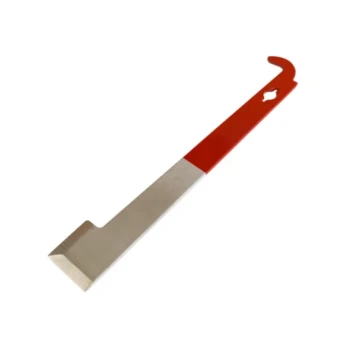
- Stainless Steel J Hook Hive Tool for Beekeeping
- HONESTBEE Classic Pry Bar Hive Tool with High Visibility Finish for Beekeeping
- Yellow Plastic Bucket Pail Perch for Beekeeping
People Also Ask
- What are bee smokers made out of? Choose the Right Material for Your Apiary
- What type of bee smoker is recommended for a beginner? Top Picks for Easy Hive Management
- Why is a stainless steel bee smoker considered indispensable? Master Hive Management with Cool Smoke Technology
- How do bee smokers and colored light sources work together to assist in night-time honey harvesting? Expert Strategies
- Why is a specialized bee smoker considered a critical tool for apiary safety? Master Hive Control & Productivity