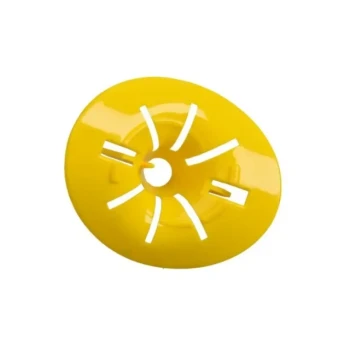
Thorough inspection is the prerequisite for success. Before installing a pollen trap, you must verify that the colony is strong and healthy enough to sustain the loss of resources. Simultaneously, you must physically inspect the hive equipment and permanently seal any alternative openings, such as cracks or rotten corners, to ensure bees cannot bypass the collection mechanism.
The effectiveness of a pollen trap relies entirely on a robust colony and a sealed environment. If the hive has alternative entrances, bees will bypass the trap; if the colony is weak, the stress of resource loss may compromise its health.
Securing the Hive Infrastructure
Inspecting for Physical Defects
Before installation, examine every box and board in the hive stack. You are looking for signs of wear, specifically rotten corners or warped wood that create small gaps.
Sealing Alternative Entrances
Bees are resourceful and will naturally seek the path of least resistance. If there is any opening other than the trap entrance, the foragers will find it and use it to avoid the trap. You must close all potential entry points to force the bees through the trap's stripping mechanism.
Evaluating Colony Readiness
Verifying Hive Strength
Never install a trap on a struggling colony. You must plan ahead to ensure the hive is strong and healthy before subjecting it to the stress of a trap. A weak colony cannot afford the energy expenditure required to replace the lost pollen.
Understanding the Operational Trade-offs
The Impact on Honey Production
Be aware that a hive with an active pollen trap will likely produce less honey. This is a direct consequence of the colony attempting to maintain its nutritional balance.
Workforce Reallocation
When pollen intake drops due to the trap, the colony reacts by shifting its labor force. Bees that would normally forage for nectar are redirected to collect pollen to compensate for the loss. This strategic shift preserves the brood but reduces the surplus nectar available for honey production.
Making the Right Choice for Your Goal
To ensure your pollen collection efforts do not compromise your apiary's success, align your preparations with your specific objectives:
- If your primary focus is maximum pollen yield: You must rigorously seal every crack and rotten corner to prevent bees from bypassing the trap.
- If your primary focus is maintaining honey production: You must accept that installing a trap will trigger a workforce shift that lowers your honey harvest.
By securing the hive structure and verifying colony health, you ensure the trap functions effectively without endangering the bees.
Summary Table:
| Preparation Category | Key Action | Why It Matters |
|---|---|---|
| Hive Integrity | Seal cracks and rotten corners | Prevents bees from bypassing the trap mechanism. |
| Colony Health | Verify hive strength & vitality | Ensures the colony can handle resource loss stress. |
| Equipment | Inspect boxes and boards | Identifies structural defects that compromise efficiency. |
| Resource Planning | Assess honey production trade-offs | Prepares for the shift from nectar to pollen foraging. |
Maximize Your Apiary's Productivity with HONESTBEE
At HONESTBEE, we specialize in empowering commercial apiaries and distributors with professional-grade solutions. Whether you are scaling up your pollen collection or seeking high-efficiency honey-filling machinery, our comprehensive wholesale portfolio has you covered. From durable hive-making equipment to essential industry consumables and honey-themed cultural merchandise, we provide the tools you need to succeed at scale.
Ready to upgrade your operations? Contact our expert team today to discover how our tailored equipment and wholesale offers can drive your business forward.
Related Products
- Removable Plastic Pollen Trap With Ventilated Tray for Bees Pollen Collector
- 30 cm Plastic Entrance Hole Bee Pollen Trap and Collector
- Plastic Bee Pollen Trap Strips Comb Catcher Collector
- 8 Frame and 10 Frame Propolis Trap Collector Screen for Propolis Collection
- Professional Bucket Style Wasp and Moth Pheromone Trap
People Also Ask
- What are the design principles and advantages of pollen traps in the collection of bee pollen? Boost Your Apiary Yield
- What is the function of professional pollen traps in evaluating honey plants? Quantifying Pollination and Crop Potential
- What functions do pollen traps serve for bee bread production? Optimize Your Raw Material Collection
- What maintenance and pest prevention measures should be taken for pollen traps? Protect Your Hive and Harvest Quality
- How does the use of pollen traps in honeybee hives enhance crop fertilization? Boost Your Yield Through Induced Activity