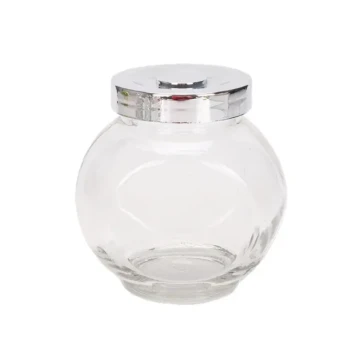
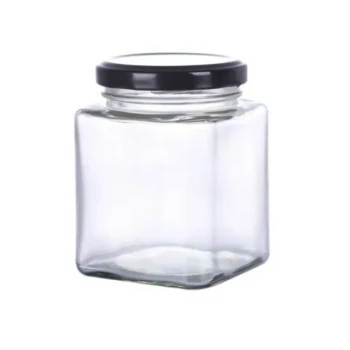
Dark glass containers serve as a critical optical filter against photodegradation. They effectively block ultraviolet (UV) radiation and intense visible light, which prevents the denaturation of proteins and the breakdown of light-sensitive pigments through photocatalysis. By mitigating these light-induced reactions, dark glass is essential for maintaining the natural color, antioxidant levels, and functional therapeutic properties of bee pollen and its extracts.
Dark glass combines superior light-blocking capabilities with chemical inertness to prevent photo-oxidation and protein denaturation, making it the definitive standard for preserving the biological activity and purity of bee pollen.
The Mechanism of Photoprotection
Blocking Ultraviolet Radiation
The primary threat to bee pollen stability is exposure to light, specifically UV radiation. Dark glass acts as a physical barrier that absorbs or reflects these harmful wavelengths before they reach the product.
Preventing Protein Denaturation
Light exposure triggers chemical changes that can alter the structure of proteins found in pollen. Dark glass prevents this protein denaturation, ensuring that the structural integrity of the pollen’s nutritional content remains intact.
Inhibiting Photocatalysis
When light strikes certain pigments in pollen, it can initiate photocatalysis, a process where light accelerates chemical reactions that degrade the product. Dark glass minimizes this risk, preserving the specific pigments responsible for the pollen's natural color and identity.
Material Inertness and Stability
Superior Chemical Inertness
Beyond light protection, glass provides a stable environment that does not react with the stored contents. Unlike some porous materials, glass ensures there is no chemical migration into the bee pollen, maintaining absolute purity.
The Moisture Barrier
Bee pollen is hygroscopic and sensitive to moisture, which can lead to spoilage or oxidation. High-quality glass containers offer an impermeable barrier against atmospheric moisture, preventing the ingress of water and the loss of volatile components.
Protecting Fatty Acids
Bee pollen contains fatty acids and bioactive substances that are highly susceptible to oxidation when exposed to light. By combining an opaque nature with an airtight seal, dark glass prevents photo-oxidation, which protects these sensitive lipids from becoming rancid.
Understanding the Trade-offs
Fragility and Handling Risks
While chemically superior, glass is inherently brittle. The risk of breakage during transport or handling requires more robust protective packaging compared to industrial-grade plastics.
Logistical Weight Implications
Glass is significantly heavier than plastic alternatives. For large-scale distribution, this results in higher shipping costs and increased logistical complexity, which may impact commercial viability for high-volume, low-margin operations.
Making the Right Choice for Your Goal
Selecting the correct packaging depends on balancing preservation needs with logistical realities.
- If your primary focus is Maximum Therapeutic Value: Choose dark glass to ensure long-term preservation of antioxidants, proteins, and sensory characteristics without chemical contamination.
- If your primary focus is Cost and Logistics: Choose high-quality industrial plastic, accepting a slight trade-off in long-term inertness for reduced weight and durability during distribution.
Dark glass remains the gold standard for prioritizing the biological integrity and potency of the final product.
Summary Table:
| Feature | Dark Glass Protection | Benefit for Bee Pollen |
|---|---|---|
| UV Filtration | Blocks harmful UV radiation | Prevents denaturation of proteins and nutrients |
| Chemical Inertness | Zero chemical migration | Maintains 100% purity and natural flavor |
| Photocatalysis | Inhibits light-induced reactions | Preserves natural pigments and antioxidant levels |
| Moisture Barrier | Impermeable airtight seal | Prevents spoilage and oxidation of fatty acids |
| Stability | Resists temperature fluctuations | Ensures long-term shelf life for extracts |
Elevate Your Beekeeping Standards with HONESTBEE
Preserving the delicate biological integrity of bee pollen requires the right tools and expertise. HONESTBEE specializes in supporting commercial apiaries and distributors with premium-grade solutions. Whether you need specialized machinery for processing or professional-grade equipment for storage, we provide a comprehensive wholesale portfolio tailored to the industry's highest standards.
Our value to your business:
- Comprehensive Equipment: From advanced hive-making technology to precision honey-filling machines.
- Full-Spectrum Supplies: A complete range of beekeeping tools and essential industry consumables.
- Scale-Ready Solutions: Tailored for large-scale operations and global distributors.
Ensure your products maintain their maximum therapeutic value. Contact HONESTBEE today to explore our wholesale offerings and secure the equipment your apiary deserves!
References
- Zeynep BAKKALOĞLU. ARI POLENİ PROTEİNLERİ VE FONKSİYONEL ÖZELLİKLERİ. DOI: 10.31467/uluaricilik.984837
This article is also based on technical information from HonestBee Knowledge Base .
Related Products
- Classic Glass Honey Jar with Metal Lug Cap for Beehive Storage
- Plastic Transporting Bee Packages and Nuc Boxes for Beekeeping
- Removable Plastic Pollen Trap With Ventilated Tray for Bees Pollen Collector
- 30 cm Plastic Entrance Hole Bee Pollen Trap and Collector
- High-Efficiency Diamond Maze Bee Escape for Clearing Supers
People Also Ask
- What are the benefits of glass jars regarding strength and safety for storing honey? Ensure Purity and Long-Term Quality
- What are the advantages of using glass jars for honey storage? Ensure Purity and Premium Appeal for Your Product
- What are the benefits of using high-transparency Glass Jars for honey? Elevate Purity and Premium Branding
- What is the aesthetic appeal of using glass jars for honey? Elevate Your Brand with Premium Packaging
- Which container is best for storing honey? Preserve Purity & Flavor with the Right Choice