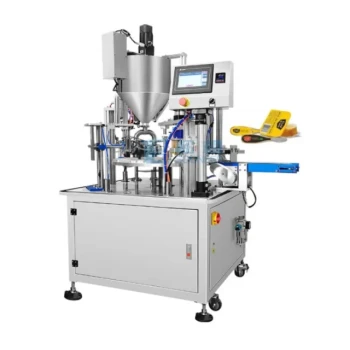
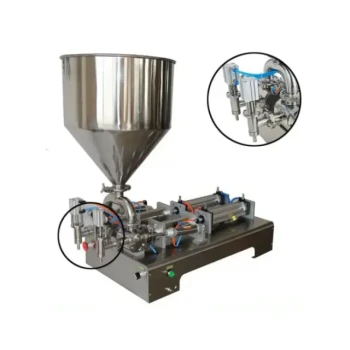
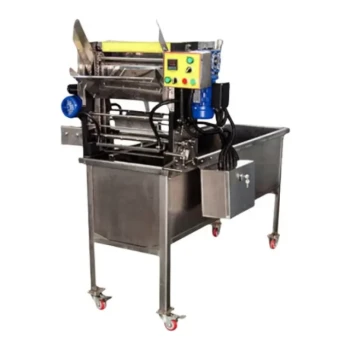
Automated honey filling machines serve as the critical bottleneck-breaker during the intense surge of peak orchard harvests. They transform a potentially overwhelming influx of raw nectar into a streamlined, shelf-ready inventory by significantly shortening the cycle between extraction and final packaging.
Core Takeaway During peak harvest, the speed of processing is directly tied to product quality. Automated filling machines do not merely package the product; they reduce storage pressure and minimize air exposure, ensuring the unique floral aromas and nutritional value of the honey are preserved before they degrade.
Accelerating the Production Cycle
Reducing Storage Pressure
During peak nectar collection, orchards produce honey at maximum output, often creating a logistical logjam.
Automated filling machines operate at high speeds to clear this backlog immediately. By rapidly moving honey from bulk extractors to retail containers, they prevent the need for excessive intermediate storage tanks, effectively "de-risking" the inventory management process.
Mitigating Production Bottlenecks
Manual or semi-manual filling cannot match the pace of industrial extraction during a bumper harvest (up to 14-15 kg per hive).
Automation ensures the filling line keeps pace with extraction. This synchronization is vital for maintaining a continuous workflow, allowing apiaries to process large batches rapidly without stopping to wait for the packaging team to catch up.
Protecting Product Integrity
Minimizing Air Exposure
The primary reference highlights that speed is not just about logistics; it is a quality control measure.
Prolonged exposure to air can degrade the delicate volatile compounds in honey. Automated systems minimize the time honey is exposed to air, thereby preserving the specific floral aromas and nutritional components that define high-quality fruit tree honey.
Ensuring Hygiene and Safety
Peak harvest chaos often leads to human error or hygiene lapses in manual setups.
Automated machines utilize closed-system designs and no-drip filling nozzles. This significantly reduces the risk of secondary contamination and environmental exposure, ensuring the final product meets strict food hygiene standards required for modern commercial sales.
Operational Precision and Economics
Eliminating Overfill and Waste
In manual operations, "giving a little extra" to ensure weight compliance leads to significant raw material loss over thousands of units.
Automated machines use high-precision piston or weighing-based systems to ensure strict adherence to label specifications. This consistency protects profit margins by reducing raw material giveaway while guaranteeing regulatory compliance regarding net weight.
Facilitating Commercial Scaling
Transitioning from small-scale beekeeping to a commercial operation requires standardization.
These machines are the "hardware bridge" that allows an operation to scale. They deliver a professional, consistent appearance (clean bottle necks, uniform fill levels) that is difficult to achieve manually, enhancing the brand's perceived value and market competitiveness.
Understanding the Trade-offs
Maintenance and Complexity
While efficiency increases, so does the complexity of the operation.
Automated systems require regular calibration and maintenance to ensure the piston or weighing mechanisms remain accurate. A breakdown during peak harvest can be more disruptive than in a manual setup, requiring on-site technical knowledge.
Capital Investment vs. Labor Costs
The upfront cost of industrial-grade machinery is significant.
However, this cost is generally offset by the reduction in physical labor intensity and labor costs over time. The decision to automate is a trade-off between immediate capital expenditure and long-term operational resilience.
Making the Right Choice for Your Goal
To maximize the value of an automated filling system, align the technology with your specific harvest objectives:
- If your primary focus is Volume and Throughput: Prioritize machines with high-speed piston systems to match the extraction rate of your highest-yielding hives, preventing storage bottlenecks.
- If your primary focus is Premium Quality: Select equipment designed to minimize oxidation and agitation to lock in the unique floral aromas and nutritional profile of the specific fruit tree nectar.
- If your primary focus is Brand Consistency: Focus on machines with precision weighing and no-drip nozzles to ensure uniform packaging that commands a shelf premium.
Automation transforms the harvest from a race against spoilage into a controlled, scalable manufacturing process.
Summary Table:
| Key Role | Primary Benefit | Operational Impact |
|---|---|---|
| Cycle Acceleration | Reduces storage pressure | Clears extraction backlogs instantly |
| Quality Control | Minimizes air exposure | Preserves floral aromas and nutrients |
| Hygiene & Safety | Closed-system design | Eliminates secondary contamination risks |
| Cost Precision | High-precision weighing | Reduces raw material waste and overfill |
| Commercial Scaling | Standardized packaging | Enhances brand value and market competitiveness |
Maximize Your Harvest Potential with HONESTBEE
Don't let peak harvest bottlenecks limit your growth. HONESTBEE empowers commercial apiaries and distributors with high-performance automated honey-filling machines, advanced hive-making technology, and a full spectrum of industrial beekeeping tools. Our comprehensive wholesale solutions are designed to scale your operations, reduce labor costs, and ensure every jar meets professional standards.
Ready to upgrade your efficiency? Contact us today to explore our machinery and consumables tailored for your commercial success!
References
- Тетяна Падалко. ASSESSMENT OF THE IMPACT OF HONEY PLANTS IN THE GARDEN ON BEEKEEPING PRODUCTIVITY. DOI: 10.30890/2709-1783.2023-25-01-022
This article is also based on technical information from HonestBee Knowledge Base .
Related Products
- Fully Automatic Honey Filling Packaging Machine for Processing Line
- Automatic Honey Filling and Filtering Machine for Beekeeping Bottle Filling
- Precision Durable Efficient HONESTBEE Rotary Honey Filling Machine
- Precision Automated Packaging Turntable Honey Spoon Filling Sealing Packing Machine
- Semi Automatic Small Honey Bottle Filling Machine Honey Filler
People Also Ask
- Why are fully automatic honey filling and packaging lines essential? Boost Your Honey's Market Value and Quality
- What is a fully-automatic honey filler? Streamline Your Production with High-Precision Automation
- How do automated honey filling and packaging machines affect profitability? Boost Margins with HONESTBEE Technology
- How do automated honey filling and packaging machines contribute to the market value of honey products? Maximize Your ROI
- How do industrial-grade automated honey filling and packaging machines mitigate the risk of physical contamination?