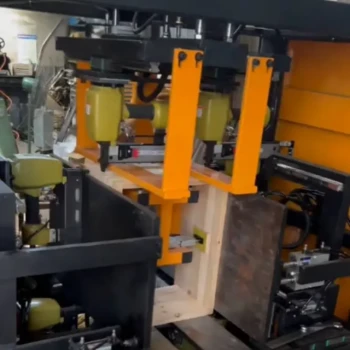
Automatic honey-filling machines serve as the operational backbone for transforming stingless bee honey from a raw agricultural commodity into a premium retail product. They provide the necessary high-precision measurement to minimize the waste of this low-yield, high-value resource while maintaining a strictly enclosed environment. This automation is the only reliable way to meet the rigorous hygiene and traceability standards required to enter high-end pharmaceutical and health product markets.
By replacing manual packaging with automated precision, these machines solve the unique challenges of stingless bee honey—specifically its susceptibility to contamination and high unit cost—enabling a definitive shift from low-margin bulk sales to high-value brand equity.
Maximizing Value Through Precision
Eliminating Raw Material Waste
Stingless bee honey is produced in much smaller quantities than standard honey, making it a significantly higher-value commodity. Manual filling inevitably leads to spills, overfilling, or inconsistent dosing.
Automated machines utilize high-precision quantitative filling technologies. This ensures every drop is accounted for, directly protecting profit margins by eliminating the "giveaway" of expensive raw materials.
Ensuring Consistent Product Specifications
To compete in retail markets, every unit must be identical in volume and presentation. Automation guarantees that a 100ml jar contains exactly 100ml, every time.
This consistency allows producers to standardize their inventory and pricing models. It is a prerequisite for establishing a professional brand image capable of sitting on pharmacy or high-end cosmetic shelves.
Preserving Biological Integrity and Safety
Mitigating Fermentation and Oxidation Risks
Stingless bee honey is distinct due to its higher moisture content and unique active biological components. This makes it highly prone to fermentation and oxidation if exposed to air or contaminants.
Automatic filling machines operate as enclosed systems, often sealing the product in a sterile environment. This process drastically reduces the risk of secondary contamination and oxidation, effectively extending the shelf life of the product.
Meeting Pharmaceutical Hygiene Standards
The commercial goal for this specific honey often targets the health and medicinal sectors rather than just the food aisle. These markets demand strict quality traceability.
Professional filling equipment ensures a "hands-free" hygienic workflow. This adherence to industrial processing standards is essential for satisfying the regulatory requirements of health product markets.
Enabling Market Diversification
Transitioning from Bulk to Retail
Traditionally, producers might sell this honey in simple bulk containers. Automation allows for the transition to smaller, consumer-ready packaging.
This shift moves the business model away from low-margin bulk trade. It enables direct access to high-yield retail markets and distributed trade networks.
Versatility in Packaging Formats
Commercialization often involves diversifying into cosmetics or medicinal applications.
Advanced filling machines can handle specialized containers beyond standard jars, such as eye-dropper bottles, cream jars, or soap boxes. This capability allows producers to target lucrative niche markets in the beauty and pharmaceutical industries.
Understanding the Operational Trade-offs
The Cost of Entry
While essential for scaling, these machines represent a significant capital expenditure. For very small hobbyist operations, the ROI may not be immediate. The investment is best suited for enterprises ready to commit to volume and brand consistency.
Maintenance and Technical Complexity
Automated systems require regular maintenance to function correctly. Because the honey is sticky and biologically active, cleaning protocols must be rigorous to prevent machinery clogs or cross-contamination between batches.
Making the Right Choice for Your Goal
To leverage automation effectively, align the equipment capabilities with your specific commercial strategy:
- If your primary focus is the Pharmaceutical Market: Prioritize machines with enclosed, sterile filling environments to ensure the highest traceability and hygiene standards.
- If your primary focus is the Cosmetic Industry: Select equipment capable of handling diverse container types, such as eye-droppers and small cream jars.
- If your primary focus is Profit Margin Optimization: Focus on high-precision volumetric fillers that offer the tightest tolerances to absolutely minimize raw material waste.
Automation is not merely about increasing speed; it is the fundamental mechanism that preserves the value and safety of your product as it moves from the hive to the consumer.
Summary Table:
| Feature | Role in Commercialization | Primary Benefit |
|---|---|---|
| High-Precision Filling | Eliminates overfilling and raw material waste | Maximizes profit margins on low-yield honey |
| Enclosed Systems | Prevents fermentation, oxidation, and contamination | Extends shelf life and preserves medicinal bio-activity |
| Automated Hygiene | Meets pharmaceutical and health-grade standards | Enables entry into premium and regulated retail markets |
| Packaging Versatility | Handles jars, droppers, and cosmetic containers | Facilitates market diversification and brand expansion |
Scale Your Apiary Success with HONESTBEE
Transitioning from bulk sales to a high-value retail brand requires the right technology. HONESTBEE empowers commercial apiaries and distributors with the specialized machinery needed to thrive in the competitive stingless bee honey market.
Our value to your business includes:
- Professional Machinery: High-precision honey-filling and hive-making machines tailored for efficiency.
- Full-Spectrum Supply: From industrial equipment to essential consumables and honey-themed merchandise.
- Market Ready Solutions: Expertly designed tools that ensure your products meet global hygiene and quality standards.
Ready to elevate your production and protect your margins? Contact HONESTBEE today to discover our comprehensive wholesale offerings!
References
- Marilda Cortopassi-Laurino, Paulo Nogueira‐Neto. Global meliponiculture: challenges and opportunities. DOI: 10.1051/apido:2006027
This article is also based on technical information from HonestBee Knowledge Base .
Related Products
- Precision Durable Efficient HONESTBEE Rotary Honey Filling Machine
- Automatic Honey Filling and Filtering Machine for Beekeeping Bottle Filling
- Manual Honey Filling Machine Bottling Machine for Honey
- Automatic Single-Dose Snap & Squeeze Honey Sachets Packing Machine
- Fully Automatic Honey Filling Packaging Machine for Processing Line
People Also Ask
- What quality control role does professional honey filling equipment perform? Ensure Consistency and Product Stability
- How do honey filling and processing machines aid native bee product conservation? Boost Value with HONESTBEE Technology
- How do high-precision honey filling machines ensure quality? Optimize Your Commercial Production with HONESTBEE
- What is a key feature of the new generation of the honey filling machine? The Advanced Electronic Control Unit
- How do honey filling machines work? Achieve Precision & Speed for Your Apiary