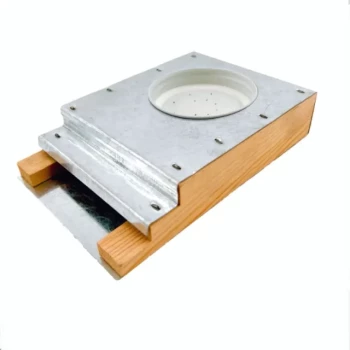
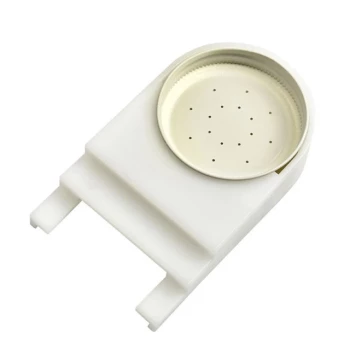
Bee feeders serve as a strategic bridge between natural resource availability and commercial demand. During non-flowering periods or seasons of forage scarcity, these devices allow beekeepers to artificially supply colonies with syrup and protein supplements, ensuring survival and growth independent of local flora.
The Core Strategic Value Natural bloom cycles rarely align perfectly with commercial schedules. Bee feeders decouple colony health from environmental limitations, allowing apiaries to maintain "pollination-ready" population density exactly when it is needed most.
Strategic Population Management
Sustaining the Workforce
In a natural setting, a honeybee colony will contract its population when food is scarce to conserve resources.
Commercial operations cannot afford this natural shrinkage. Feeders allow the apiarist to maintain large worker bee populations, preserving the colony's labor capacity even when the external environment offers no support.
Bridging the Seasonal Gap
There is often a significant lag between the end of one natural flow and the beginning of the next commercial opportunity.
Supplemental feeding fills this void. It ensures the metabolic needs of the hive are met, preventing starvation and maintaining the continuous brood rearing necessary for a strong colony.
Preparation for High-Value Pollination
Aligning with Crop Schedules
High-demand crops, particularly almonds and apples, often require pollination services early in the season or at specific intervals.
These crops do not wait for the bees to build up strength naturally. Feeders are the tool used to force-multiply the colony's strength in anticipation of these specific biological deadlines.
Ensuring Contract Fulfillment
Commercial contracts pay for results, which requires maximum bee density per hive.
By utilizing feeders, beekeepers ensure their hives arrive at the orchard with sufficient labor capacity. This guarantees the hives can effectively service the crop immediately upon arrival.
Understanding the Operational Trade-offs
Active Management vs. Passive Protection
It is important to distinguish between the hive structure and the feeding system.
While the standardized beehive provides passive thermal insulation and protection against external stressors, the feeder requires active management. It is an input-heavy intervention that transforms the hive from a shelter into a production unit.
The Cost of Artificial Inputs
Reliance on feeders introduces material costs (syrup and protein) and labor costs (refilling and monitoring).
This is a calculated investment. The cost of feeding during non-flowering periods must be weighed against the revenue generated by having a robust colony ready for the pollination season.
Optimizing Your Feeding Strategy
To effectively utilize feeders in a commercial setting, align your usage with your specific operational targets:
- If your primary focus is Colony Survival: Use feeders to provide baseline nutrition during unexpected droughts or winter shortages to prevent collapse.
- If your primary focus is Commercial Pollination: Aggressively feed protein and syrup weeks before the bloom to ramp up population density for almond or apple contracts.
Strategic feeding turns the unpredictability of nature into a controlled, predictable business asset.
Summary Table:
| Strategic Function | Primary Benefit | Operational Outcome |
|---|---|---|
| Resource Bridging | Supplies syrup/protein during nectar voids | Prevents starvation and colony shrinkage |
| Population Control | Decouples growth from natural bloom cycles | Maintains pollination-ready density on demand |
| Contract Readiness | Accelerates brood rearing before crop blooms | Ensures fulfillment of almond/apple pollination |
| Risk Mitigation | Provides baseline nutrition during droughts | Transforms environmental risk into predictable growth |
Maximize Your Apiary’s Productivity with HONESTBEE
At HONESTBEE, we understand that commercial success depends on precision and reliability. We empower commercial apiaries and distributors with a comprehensive range of professional-grade beekeeping tools and machinery.
Whether you need specialized hardware to scale your operations, honey-filling machines for efficient processing, or essential consumables to sustain your hives through non-flowering periods, we have the wholesale solutions you need.
Ready to elevate your beekeeping business? Contact HONESTBEE today to discuss how our equipment can streamline your management and boost your seasonal yields.
References
- Samuel V.J. Robinson, Saikat Kumar Basu. Wild bee decline and conservation in North America. DOI: 10.24917/25438832.2.12
This article is also based on technical information from HonestBee Knowledge Base .
Related Products
- Rapid Bee Feeder White Plastic 2L Round Top Feeder for 8 or 10-Frame Bee Hives
- HONESTBEE Professional Entrance Bee Feeder Hive Nutrition Solution
- HONESTBEE Entrance Bee Feeder Professional Hive Nutrition Solution for Beekeeping
- HONESTBEE Entrance Bee Feeder Efficient Hive Front Liquid Feeding Solution for Beekeeping
- HONESTBEE Round Hive Top Bee Feeder for Syrup
People Also Ask
- What should be done with feeders and equipment after feeding bees? Essential Steps for Apiary Health
- What should be done if feed in a feeder is not consumed by the bees? Prevent Hive Mold with Prompt Feed Management
- What is the necessity of specialized internal or entrance feeders? Secure Your Hive with Professional Feeding Tools
- How do bee feeders work to preserve colony health during nectar shortages? Essential Guide for Beekeepers
- How quickly does a medium to strong colony usually empty a feeder? A Beekeeper's Guide to Hive Health