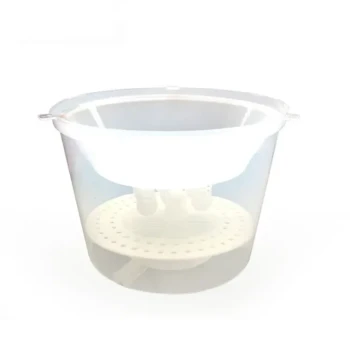
Bottom-board pollen traps function as precision instruments for quantifying the raw nutritional input of a honey bee colony. By physically intercepting pollen loads from returning foragers, these devices allow researchers and beekeepers to analyze the volume of protein available in the landscape and its direct correlation to the colony's intraday weight dynamics.
Core Insight While these traps are essential for sampling environmental nutrition and pesticide residues, their use actively alters colony behavior. The device creates a controlled protein deficiency, which stimulates a biological feedback loop that forces the colony to dispatch more foragers and increase overall collection activity.
The Mechanism of Collection
Physical Interception
The trap operates on a simple mechanical principle installed at the hive entrance. It forces foraging bees to navigate through a specialized internal mesh or grid with narrow gaps.
Sample Isolation
As bees squeeze through these physical barriers, the pollen pellets carried on their hind legs are brushed off. These pellets fall into a protected collection drawer below, isolating the raw nutritional sample from the rest of the hive environment.
Quantifying Nutritional Data
Measuring Landscape Abundance
The primary role of the trap is to provide a measurable volume of the colony's food source. By analyzing the contents of the collection drawer, researchers can determine the abundance and diversity of nectar and pollen sources in the surrounding ecosystem.
Analyzing Intraday Weight Dynamics
The data collected allows for a direct comparison of pollen volumes at different times of the day or season. This helps establish a clear relationship between nutritional intake and the fluctuating weight of the hive, providing a granular view of colony health.
Environmental Safety Monitoring
Beyond simple nutrition, these traps serve as critical sampling points for environmental health. The collected pollen is frequently analyzed to detect the presence of pesticide residues, offering insight into the chemical exposure levels of the foraging area.
The Biological Feedback Loop
Creating a Protein Deficit
It is critical to understand that the trap does not merely observe the hive; it impacts it. By stripping pollen from returning bees, the device creates an artificial state of protein feed deficiency within the colony.
Stimulating Labor Division
The colony detects this shortage and triggers a compensatory physiological response. The hive adjusts its division of labor, shifting resources to dispatch a higher number of worker bees for foraging tasks.
Increasing Total Yield
Paradoxically, the use of the trap can lead to higher overall activity. To compensate for the "perceived" shortage caused by the interception, the colony increases its collection efforts, resulting in a higher total yield of pollen than might otherwise be collected.
Understanding the Trade-offs
The Cost of Data
While the trap provides valuable data on nutritional intake, it does so by stressing the colony's resources. The "protein deficiency" required to stimulate foraging can impact brood rearing if the trap is left in place too long without management.
Altered Colony Priorities
Because the hive is forced to reallocate workers to foraging to survive the perceived shortage, other internal hive maintenance tasks may be deprioritized. Users must balance the need for data or increased pollen yield against the potential exhaustion of the workforce.
Making the Right Choice for Your Goal
To use bottom-board pollen traps effectively, you must align their usage with your specific objectives:
- If your primary focus is Environmental Analysis: Use the trap intermittently to gather samples for pesticide detection and landscape diversity without permanently stressing the colony's protein stores.
- If your primary focus is Maximizing Pollen Yield: Leverage the trap's ability to trigger the protein deficiency feedback loop to stimulate increased foraging activity and higher total collection volumes.
Effective monitoring requires balancing the need for data with the biological cost imposed on the colony.
Summary Table:
| Feature | Function & Role in Monitoring |
|---|---|
| Mechanism | Mechanical interception using a mesh/grid to strip pollen pellets at the entrance. |
| Nutritional Data | Quantifies protein abundance and landscape diversity based on collected volume. |
| Environmental Monitoring | Provides raw samples to detect pesticide residues and chemical exposure. |
| Biological Feedback | Creates a controlled protein deficiency that stimulates increased foraging activity. |
| Weight Dynamics | Correlates daily pollen intake with hive weight fluctuations to assess colony health. |
Elevate Your Commercial Apiary with HONESTBEE
At HONESTBEE, we empower commercial apiaries and beekeeping distributors with the precision tools needed for high-scale honey and pollen production. From professional-grade bottom-board pollen traps and hive-making machinery to advanced honey-filling systems, our comprehensive wholesale catalog is designed to optimize your efficiency and yield.
Whether you are expanding your fleet of equipment or sourcing essential industry consumables, our expertise ensures your operation stays productive and profitable. Maximize your colony potential and secure the highest quality hardware today.
Contact HONESTBEE for Wholesale Solutions
References
- William G. Meikle, Andrew B. Barron. Using within-day hive weight changes to measure environmental effects on honey bee colonies. DOI: 10.1371/journal.pone.0197589
This article is also based on technical information from HonestBee Knowledge Base .
Related Products
- Removable Plastic Pollen Trap With Ventilated Tray for Bees Pollen Collector
- 30 cm Plastic Entrance Hole Bee Pollen Trap and Collector
- Plastic Bee Pollen Trap Strips Comb Catcher Collector
- High-Efficiency Diamond Maze Bee Escape for Clearing Supers
- Langstroth Screen Bottom Board for Beekeeping Wholesale
People Also Ask
- What are the design principles and advantages of pollen traps in the collection of bee pollen? Boost Your Apiary Yield
- What is the function of professional pollen traps in evaluating honey plants? Quantifying Pollination and Crop Potential
- What functions do pollen traps serve for bee bread production? Optimize Your Raw Material Collection
- What maintenance and pest prevention measures should be taken for pollen traps? Protect Your Hive and Harvest Quality
- How does the use of pollen traps in honeybee hives enhance crop fertilization? Boost Your Yield Through Induced Activity