Frames containing capped brood function as the primary experimental substrate for evaluating honeybee social immunity and population dynamics. They serve as the essential observation platform where researchers monitor how worker bees detect, uncap, and remove damaged larvae, thereby quantifying the colony's hygienic behavior.
By transforming a natural biological process into a controlled workspace, these frames allow researchers to measure hygienic efficiency, isolate age-specific cohorts, and track population growth with statistical precision.
Evaluating Social Immunity
The Substrate for Hygienic Behavior
In hygienic behavior studies, the frame itself acts as the primary workspace. It holds the biological samples—the capped brood—that are necessary for testing.
Observing Cleaning Tasks
Researchers focus on this platform to observe specific worker activities. The key metrics are how effectively honeybees uncap and remove damaged larvae from specific areas of the comb.
Assessing Colony Health
This observation provides a direct evaluation of the colony's social immunity. The speed and thoroughness of the removal process indicate the colony's genetic propensity for disease resistance.
Controlling Experimental Variables
Isolation for Precise Sampling
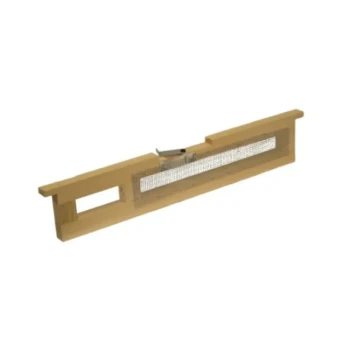
To study specific developmental stages, frames with capped brood are often placed inside wooden mesh comb cages before incubation. This setup isolates the brood that is about to emerge while ensuring adequate airflow and the transfer of temperature and humidity.
Ensuring Sample Purity
The mesh cages prevent newly emerged worker bees from escaping or mixing with other colonies. This allows researchers to collect honeybee samples with a precise known age, eliminating age-related variables in behavioral or physiological studies.
Quantifying Colony Dynamics
Objective Measurement
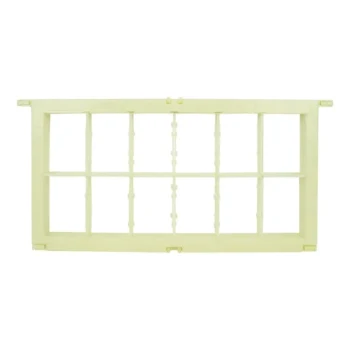
Beyond behavior, these frames are used for quantitative recording of the sealed brood area. Specialized tools, such as a measuring frame-grid, allow for the precise calculation of brood surface area.
Growth and Management
Regular measurements (e.g., every 12 days) provide an objective assessment of population growth dynamics. This data enables timely adjustments to colony management, such as modifying feeding rations in greenhouse environments.
Understanding the Trade-offs
Impact of Comb Integrity
The reliability of the data heavily depends on the physical state of the frame. The integrity of the comb and the quality of the capping directly impact the precision of experimental observations.
Standardization vs. Natural Variation
Using standardized frames, such as those in professional queen rearing, eliminates individual developmental variations that could interfere with studies like virus susceptibility. However, researchers must ensure that these standardized conditions do not artificially strip away environmental factors relevant to the study's real-world applicability.
Making the Right Choice for Your Research
To effectively utilize frames with capped brood, align your methodology with your specific investigative goals:
- If your primary focus is Social Immunity: Prioritize the integrity of the comb capping to ensure accurate observation of uncapping and removal behaviors.
- If your primary focus is Age-Specific Physiology: Utilize wooden mesh comb cages during incubation to isolate emerging workers and guarantee precise sample aging.
- If your primary focus is Population Dynamics: Implement a measuring frame-grid routine to objectively track growth trends and inform nutritional management.
Successful research relies on treating the brood frame not just as a container, but as a calibrated instrument for biological measurement.
Summary Table:
| Research Metric | Role of Capped Brood Frame | Key Measurement Tools |
|---|---|---|
| Social Immunity | Platform for hygienic behavior (uncapping/removal) | Visual observation of cell clearing |
| Age-Specific Studies | Isolation of emerging cohorts for known-age samples | Wooden mesh comb cages & incubators |
| Population Dynamics | Calculating brood surface area for growth trends | Measuring frame-grids |
| Disease Resistance | Identifying genetic propensity for cleaning tasks | Standardized colony health assessments |
Elevate Your Beekeeping Operation with HONESTBEE
At HONESTBEE, we understand that whether you are conducting rigorous scientific research or managing a large-scale commercial apiary, the quality of your equipment determines your success. We provide a comprehensive wholesale range of high-precision beekeeping tools, specialized hive-making machinery, and honey-filling equipment designed to meet the demands of distributors and professional beekeepers worldwide.
From durable frames and mesh cages for research to essential consumables and honey-themed cultural merchandise, our portfolio supports every facet of the bee industry. Partner with us to enhance your productivity and efficiency with reliable, professional-grade solutions.
Ready to scale your business or upgrade your apiary? Contact us today to explore our wholesale offerings!
References
- Anna Atarshchykova, O. Zhukorskyi. Hygiene activity of bees in certain territories of Ukraine. DOI: 10.33730/2077-4893.1.2024.299952
This article is also based on technical information from HonestBee Knowledge Base .
Related Products
- Assembled Wooden Bee Frames with Plastic Foundation for Durability and Convenience by HONESTBEE
- Heart-Shaped Comb Honey Frame and Honeycomb Cassette
- Assembled Wooden Bee Frames with Beeswax Foundation Ready to Use by HONESTBEE
- Professional Sectional Comb Honey Frame with 250g Cassette System for Beekeeping
- JZBZ Langstroth Queen Rearing Frame for Beekeeping
People Also Ask
- When should frames with new foundation be given to colonies? Master Timing for a Thriving Hive
- Can beekeepers switch between wooden and plastic frames? Optimize Your Hive's Performance
- How do you re-wax bee frames? A Simple Guide to Faster Comb Building
- What types of bee frames can be cleaned and returned to service? A Guide to Safe Apiary Refurbishment
- Do you have to wire bee frames? Essential Guide to Frame Strength & Honey Harvesting