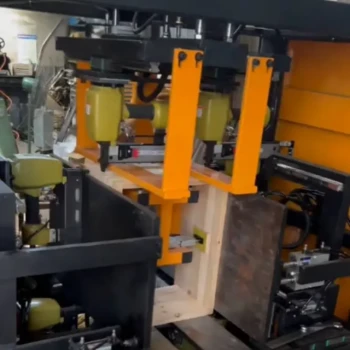
High-precision filtering and filling machines serve as the primary stabilization mechanism for post-harvest stingless bee honey. These systems perform two essential functions: they mechanically remove fermentation triggers like excess pollen and impurities, and they utilize hermetic sealing technologies to lock in pharmacological activity, transforming a biologically unstable raw substance into a viable commercial product.
The Core Insight Stingless bee honey (pot-honey) is distinctively high in moisture and medicinal value, making it naturally prone to rapid fermentation and spoilage. Advanced processing machinery is not merely for efficiency; it is a biological necessity to sterilize the product, minimize the loss of high-value liquid, and create the airtight environment required to maintain shelf stability.
The Critical Challenge: Instability vs. Value
The "Deep Need" behind using this equipment stems from the unique physicochemical properties of stingless bee honey. Unlike standard honey, pot-honey has a high water content and unique bioactivity.
Without precise intervention, this moisture leads to fermentation, spoiling the product before it reaches the consumer. Furthermore, because the yield of stingless bee honey is relatively low, any waste during processing represents a significant financial loss.
The Role of High-Precision Filtration
Filtration is the first line of defense in stabilizing the honey for storage and sale.
Removing Fermentation Triggers
Raw honey contains impurities and excess pollen that act as catalysts for fermentation. High-precision filtering equipment effectively removes these particulate contaminants, significantly reducing the biological load that causes spoilage.
Ensuring Batch Purity and GMO Compliance
Advanced filtering systems facilitate strict physical isolation during processing. When combined with laboratory testing, this ensures that batches remain free from unauthorized transgenic (GMO) pollen, mitigating trade risks such as product rejection or price devaluation in sensitive markets.
The Function of Industrial Filling Systems
Once filtered, the honey must be packaged without re-introducing contaminants. Industrial filling machines utilize automation to solve this.
Preventing Oxidation and Contamination
These machines often feature fully enclosed stainless steel piping systems. This design prevents the honey from coming into contact with external air during the transfer process, effectively reducing oxidation and preventing secondary microbial contamination.
Precision Dosage and Loss Reduction
Given the high market value and low yield of stingless bee honey, minimizing waste is critical. Machines equipped with servo-driven or pneumatic control systems provide accurate quantitative filling, ensuring consistent product weight and near-zero material loss.
Preserving Pharmacological Activity
The ultimate goal of this technology is to protect the honey's medicinal properties. By sealing the product in a sterile environment with high-sealing packaging technology, the machinery preserves the active biological components, extending the commercial shelf life significantly.
Common Pitfalls in Processing
While machinery is essential, relying on equipment alone without understanding the workflow can lead to issues.
The Necessity of "Closed Loop" Integrity
The equipment is only effective if the sterile environment is unbroken. If the stainless steel piping systems are breached or hygiene protocols are lax during machine cleaning, the high moisture content of the honey will immediately invite fermentation, rendering the high-precision filling useless.
Balancing Filtration with Bioactivity
There is a delicate balance to strike during filtration. The goal is to remove excess pollen and impurities to stop fermentation, while retaining the unique biological markers that give the honey its pharmaceutical value.
Making the Right Choice for Your Goal
Selecting the right post-harvest equipment depends on your specific market objectives.
- If your primary focus is Pharmaceutical Grade Quality: Prioritize machines with fully enclosed stainless steel piping and advanced sealing technology to maximize the preservation of active biological components.
- If your primary focus is Export and Trade Compliance: Invest in high-precision filtration systems that allow for strict batch isolation and physical separation to ensure GMO-free certification.
- If your primary focus is Profit Margin Optimization: Focus on filling machines with servo-driven quantitative controls to strictly minimize the physical loss of high-value raw material during bottling.
High-precision machinery turns a volatile, artisanal ingredient into a stable, high-value commodity by systematically eliminating the risks of fermentation and oxidation.
Summary Table:
| Feature | Role in Post-Harvest Treatment | Benefit to Honey Quality |
|---|---|---|
| High-Precision Filtration | Removes excess pollen and particulate impurities | Prevents fermentation and ensures GMO compliance |
| Enclosed Piping Systems | Eliminates exposure to external air and microbes | Prevents oxidation and secondary contamination |
| Servo-Driven Filling | Precise quantitative dosage and material handling | Minimizes waste of high-value, low-yield honey |
| Hermetic Sealing | Creates an airtight, sterile environment | Preserves bioactive components and extends shelf life |
Elevate Your Honey Production with HONESTBEE
Maximize the value of your harvest with professional-grade machinery designed for precision and purity. HONESTBEE specializes in supporting commercial apiaries and distributors with a complete range of beekeeping tools, from high-precision honey-filling machines to advanced hive-making equipment and essential industry consumables.
Whether you are scaling your distribution or refining pharmaceutical-grade honey, our solutions ensure zero-waste and long-term stability. Contact our experts today to discover how our wholesale machinery and honey-themed cultural merchandise can grow your business!
References
- Alejandro Reyes-González, Ek del‐Val. Stingless bees (Apidae: Meliponini) at risk in western Mexico. DOI: 10.1111/btp.13100
This article is also based on technical information from HonestBee Knowledge Base .
Related Products
- Precision Durable Efficient HONESTBEE Rotary Honey Filling Machine
- Automatic Honey Filling and Filtering Machine for Beekeeping Bottle Filling
- Commercial Rotary Honey Filling Machine for Production
- Professional Stainless Steel Honey Filtering Machine with Water Bath Heating for Beekeeping
- Fully Automatic Honey Filling Packaging Machine for Processing Line
People Also Ask
- What quality control role does professional honey filling equipment perform? Ensure Consistency and Product Stability
- What is a key feature of the new generation of the honey filling machine? The Advanced Electronic Control Unit
- How do honey filling and processing machines aid native bee product conservation? Boost Value with HONESTBEE Technology
- What are the common types of bottling machines used for honey? Choosing the Right Solution for Your Apiary
- How do honey filling machines work? Achieve Precision & Speed for Your Apiary