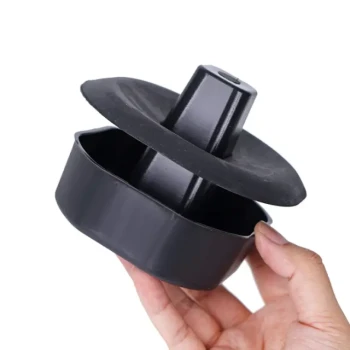
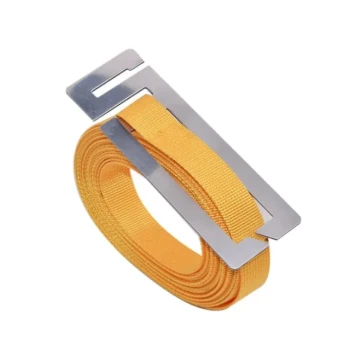
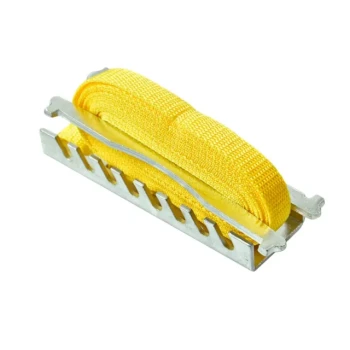
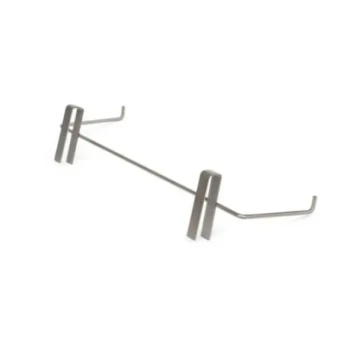
Hive structural designs and protective consumables act as the primary physical barrier against infestation. Specifically, tightly fitted components and specialized dividers are engineered to mechanically block pests like wax moths from entering the hive to lay eggs, thereby preventing the consumption of honeycombs and preserving the colony's stability.
Core Takeaway: Physical exclusion is the most reliable defense for colonies that lack the population strength to actively patrol their entire hive. By eliminating gaps and restricting access through structural precision and consumables, you create a static defense system that protects the comb even when the colony is weak.
The Mechanics of Structural Defense
Eliminating Entry Points
The primary role of hive design is to ensure tightly fitted components. Pests like wax moths are opportunistic and will exploit any gap or warp in the wood to gain entry.
Precision manufacturing that ensures a seamless seal between boxes minimizes these vulnerabilities. This denies pests the physical access required to deposit eggs within the hive.
Internal Compartmentalization
Specialized protective dividers serve as a second layer of defense within the hive body. These consumables segregate the internal space, limiting the area pests can access if they do breach the outer perimeter.
By restricting movement, these dividers protect the core honeycombs from being consumed, which is vital for maintaining the colony's food stores and structural integrity.
Environmental Isolation via Elevation
Separating the Hive from the Ground
While internal components block flying pests, hive stands address threats from below. As noted in supplementary findings, elevating the hive creates a critical physical separation from the soil.
Preventing Ground Intrusion
This elevation prevents ground-dwelling predators and pests from burrowing into the hive or easily crawling up through the bottom board. It essentially removes the "highway" used by non-flying pests to invade the colony.
The Critical Role for Weak Colonies
Compensating for Low Population
Strong colonies can usually defend their own space, but weak colonies are highly vulnerable. They simply do not have enough bees to guard every corner of the hive.
Passive vs. Active Defense
In these scenarios, structural designs and consumables act as a passive defense system. They hold the line against infestation when the "active defense" (the bees themselves) is insufficient, preventing the colony from being overrun.
Understanding the Limitations
Barriers Cannot Fix Biology
While structural defenses are essential, they are not a cure for a failing queen or disease. They buy time and reduce pressure, but they cannot save a colony that is biologically collapsing.
Maintenance is Required
Physical barriers are only effective if they remain intact. A hive stand that sinks into the mud or a box that warps over time loses its defensive capability, requiring regular inspection by the beekeeper.
Strategies for Hive Protection
To maximize your defense against wax moths and other pests, align your equipment choices with your colony's specific needs:
- If your primary focus is preventing initial infestation: Prioritize precision-manufactured hive components that offer tight tolerances to eliminate gaps where moths lay eggs.
- If your primary focus is supporting a weak colony: Utilize protective dividers to reduce the physical space the bees must defend, effectively shrinking the battlefield.
- If your primary focus is deterring ground predators: Install robust hive stands to elevate the bottom board and break the path for crawling pests.
The most effective pest management strategy combines a strong biological population with a fortress-like physical structure.
Summary Table:
| Defense Layer | Component | Primary Function | Target Pest Stage |
|---|---|---|---|
| Primary Barrier | Precision-Fitted Boxes | Eliminates gaps to block entry and egg-laying | Adult Wax Moths |
| Internal Defense | Protective Dividers | Segregates hive space to limit pest movement | Larvae & Adults |
| Environmental | Hive Stands | Elevates the colony to break ground-access paths | Crawling Predators |
| Passive Support | Structural Sealing | Compensates for low bee populations in weak colonies | All Invaders |
Secure Your Apiary with HONESTBEE’s Professional Equipment
Don't let wax moths and ground predators compromise your colony's health. HONESTBEE provides commercial apiaries and distributors with precision-engineered hive-making machinery and high-quality consumables designed to eliminate structural vulnerabilities. Whether you need specialized beekeeping tools, honey-filling machines, or industry-leading hardware, our comprehensive wholesale offerings ensure your operations remain efficient and pest-resistant.
Ready to upgrade your defenses? Contact us today to learn how our hardware and machinery can provide the ultimate protection for your colonies.
References
- Prem Raj Gautam, Ramji Gautam. Beekeeping: Practices, Opportunities and Challenges in Deupur, Parbat, Nepal. DOI: 10.3126/zooj.v5i0.34784
This article is also based on technical information from HonestBee Knowledge Base .
Related Products
- Metal Hive Feet Bee Hive Stand for Ant Protection
- Plastic Bee Hive Stand for Beekeeping
- Metal Bee Hive Stand Bee Box Stand for Beekeeping
- Professional Ant-Proof Beehive Stand with Integrated Moat for Beekeeping
- Plastic Bee Frame Beekeeping Hive Frames for Wholesale
People Also Ask
- What are the benefits of elevating a bee hive with a stand or base? Protect Your Colony and Your Back
- How does a beehive stand protect against predators and pests? Essential Strategies for Colony Security
- How should the height of a beehive stand be determined? Find Your Ergonomic Sweet Spot
- What to stand a beehive on? The Best Foundation for a Healthy, Manageable Apiary
- What is the best base for a beehive? Choose the Right Stand for Colony Health