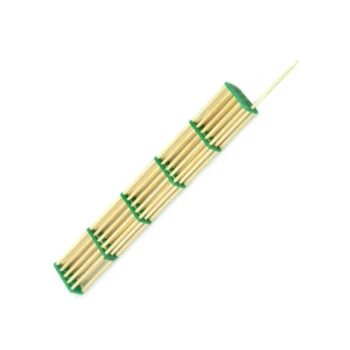
Industrial-grade carrier cellulose strips function as the essential physical matrix for delivering active pharmaceutical ingredients within a beehive. These strips are specifically designed to absorb and hold liquid treatments—typically mixtures of oxalic or formic acid combined with glycerin—allowing them to be deployed as a solid application rather than a transient liquid spray or vapor.
The porous structure and high adsorption capacity of these strips transform volatile liquid acids into stable, slow-release treatments. By leveraging the natural movement of bees for distribution, they ensure the medication persists long enough to treat mites throughout the entire brood cycle.
Engineering the Delivery System
To understand the utility of these strips, one must look at their material properties. They are not merely paper; they are engineered carriers.
The Porous "Sponge" Effect
The primary value of industrial-grade cellulose is its highly porous structure. This physical characteristic allows the material to act as a dense, structural sponge.
High Adsorption Capacity
The strips are capable of holding a significant volume of liquid relative to their mass. This high adsorption is critical for loading enough active ingredient to last for several weeks.
Stabilizing the Mixture
These strips are used specifically to load mixtures of glycerin and organic acids (oxalic or formic). The cellulose matrix stabilizes this viscous solution, converting a messy liquid into a manageable, solid-state delivery device.
How the Slow-Release Mechanism Works
The "slow-release" aspect is not chemical, but mechanical. It relies on the interaction between the hive environment and the strip.
Contact-Based Distribution
Unlike fumigants that rely on air circulation, these strips release treatment through physical contact. The cellulose holds the mixture until it is mechanically disturbed.
Leveraging Bee Activity
The release is triggered by the natural movement of honeybees within the hive. As bees crawl over the strips, they pick up the acid-glycerin mixture on their bodies and spread it through the colony via social contact.
Continuous Dosage
This mechanical process ensures a steady, low-dose release over time. It avoids the spikes and drops in concentration associated with flash treatments.
Strategic Impact on Varroa Control
The ultimate goal of using this cellulose matrix is to overcome the biological defenses of the Varroa mite.
The Brood Cycle Challenge
Varroa mites reproduce inside capped brood cells, where many instant treatments cannot reach them. A treatment that lasts only a few days will miss a significant portion of the mite population.
Outlasting the Protection
Because the cellulose strips release the active ingredients slowly, they remain effective for weeks. This ensures that treatment covers the entire brood cycle, catching mites as they emerge from capped cells.
Understanding the Constraints
While effective, this delivery method has specific operational characteristics that must be understood.
Dependence on Colony Activity
Because the distribution mechanism relies on the "natural movement of honeybees," the efficacy is linked to hive activity levels. A lethargic winter cluster may not distribute the treatment as effectively as an active summer colony.
Physical Saturation Limits
While the adsorption capacity is high, it is finite. The strip can only hold a specific ratio of acid and glycerin before it becomes saturated, limiting the maximum dosage per strip.
Making the Right Choice for Your Goal
When evaluating whether to utilize cellulose-based slow-release treatments, consider your specific management objectives.
- If your primary focus is comprehensive mite eradication: Rely on these strips to maintain therapeutic levels of acid for the full duration of a brood cycle, targeting mites hiding in capped cells.
- If your primary focus is treatment consistency: Use the cellulose matrix to ensure a steady, continuous release of the active ingredient, avoiding the risks of high-concentration shock treatments.
The industrial-grade cellulose strip is not just a carrier; it is the timing mechanism that aligns the treatment duration with the biological vulnerability of the pest.
Summary Table:
| Feature | Function in Varroa Control | Benefit for Apiaries |
|---|---|---|
| Porous Structure | High adsorption of organic acids & glycerin | Converts liquid treatments into manageable solid strips |
| Mechanical Release | Distribution via bee contact and movement | Ensures steady, low-dose medication without concentration spikes |
| Extended Duration | Sustains treatment for several weeks | Outlasts the brood cycle to target mites emerging from capped cells |
| Material Stability | Provides a physical matrix for viscous mixtures | Enhances safety and ease of application compared to flash treatments |
Elevate Your Mite Management Strategy with HONESTBEE
At HONESTBEE, we specialize in empowering commercial apiaries and distributors with high-performance beekeeping tools and equipment. Whether you are seeking industrial-grade cellulose strips for consistent slow-release treatments or looking for professional-grade honey-filling and hive-making machinery, our comprehensive wholesale portfolio has you covered.
We provide the essential consumables and specialized hardware you need to maintain healthy colonies and optimize production. Contact us today to discuss how our tailored supply solutions can support your beekeeping operations and grow your distribution business.
References
- Freideriki Papakosta, İoanna Chinou. Does Glycerin Used in Varroa Treatments Alter Propolis Quality?. DOI: 10.3390/insects16090871
This article is also based on technical information from HonestBee Knowledge Base .
Related Products
- Compact Circular Bee Mite Treatment Dispenser
- Oxalic Acid Vaporizer 12V for Bee Varroa Mite Treatment
- Durable 12V Oxalic Acid Vaporizer for Varroa Mite Treatment Beehive Beekeeping Tool
- Heavy Duty 12V Oxalic Acid Evaporator Vaporizer for Bee Varroa Mite Treatment Beekeeping Fumigator Atomizer
- Adjustable Formic and Acetic Acid Dispenser for Bee Mite Treatment
People Also Ask
- What is the function of specialized prevention consumables? Protect Hives from Varroa Mites & European Foulbrood
- What is the function of specialized application devices for Varroa? Precision Control for Healthier Bee Colonies
- What technical factors influence chemical Varroa treatments? Optimize Your Hive Health with Precise Timing
- What is the primary purpose of organic acids and synthetic acaricides in honeybee colony management? Varroa Control Guide
- How do different application forms of oxalic acid or formic acid affect Varroa mite treatments? Maximize Your Hive Efficacy