Modern beekeeping tools are fundamental production assets that directly influence honey yield and operational scalability. By utilizing protective suits and improved smokers, beekeepers can perform more frequent, accurate inspections and minimize physical damage to the colony, ensuring the hive focuses its energy on honey production rather than defense or repair.
Core Takeaway: Modern equipment transforms beekeeping from a passive activity into a standardized, proactive industry. By eliminating the physical barrier of fear (stings) and the mechanical barrier of inefficiency (manual labor), these tools allow for precise management of colony health, leading to significantly higher and more consistent honey yields.
How Tools Drive Production Efficiency
Enabling Deep and Frequent Inspections
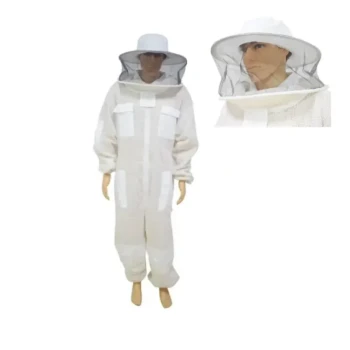
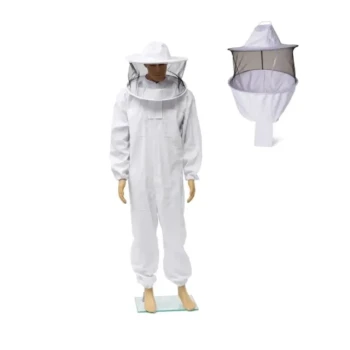
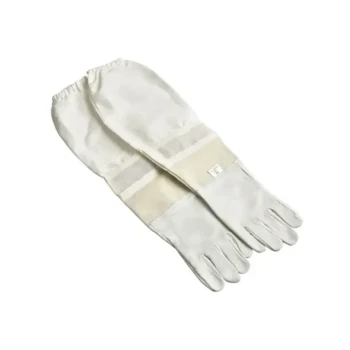
The primary barrier to effective hive management is the physical risk to the operator. Protective suits, veils, and gloves do more than prevent pain; they remove the hesitation associated with opening a hive.
With the safety provided by modern gear, beekeepers can conduct regular, deep inspections of the colony. This allows for the timely monitoring of pollen and nectar reserves and the early detection of pests or diseases. By catching these issues early, the beekeeper prevents colony collapse and ensures the population remains strong enough to maximize the harvest.
Minimizing Colony Disturbance
Honey production relies on a calm, focused workforce within the hive. Improved smokers are essential for suppressing bee aggression through physical means during these necessary inspections.
When a colony is agitated, production halts as bees switch to defensive modes. By effectively calming the bees, modern smokers ensure that the disruption caused by human intervention is minimal. This allows the colony to return to foraging and nectar processing immediately after the inspection concludes.
Reducing Energy Waste via Precision Harvesting
Modern tools are designed to protect the physical structure of the hive during the extraction process. Precision harvesting equipment and industrial-grade extractors utilize centrifugal force to remove honey without destroying the beeswax structure.
This is a critical efficiency factor: bees consume significant amounts of energy (honey) to produce wax. By preserving the honeycomb for reuse, modern tools allow bees to skip the comb-building phase and focus entirely on filling the existing comb with nectar. This significantly increases the total annual honey yield per colony.
Standardization and Scalability
The use of professional equipment shifts operations from random foraging to standardized, managed practices. In large-scale apiaries, mechanical tools reduce labor intensity and lower the unit cost of production.
Furthermore, specialized transport machinery enables migratory beekeeping, allowing colonies to be moved to follow seasonal floral cycles. This mobility ensures hives are always located in areas with optimal forage, maximizing the collection capacity beyond what is possible in a static location.
Understanding the Trade-offs
While modern tools enhance efficiency, they introduce new variables that must be managed.
- Capital vs. Operational Cost: High-quality extractors and transport vehicles represent a significant upfront investment. For smaller operations, the return on investment (ROI) may take several seasons to realize compared to the immediate benefits seen in commercial enterprises.
- Maintenance Requirements: Unlike traditional manual methods, modern mechanical tools require regular maintenance. A failure in automated extraction machinery or transport vehicles can cause bottlenecks during critical peak flowering periods.
- Reliance on Equipment: There is a risk of over-relying on gear. A protective suit allows for inspection, but it does not replace the biological knowledge required to interpret what is seen inside the hive. Tools facilitate management; they do not replace the skill of the beekeeper.
Making the Right Choice for Your Goal
To apply these principles effectively, align your equipment choices with your specific operational objectives.
- If your primary focus is Maximizing Volume: Prioritize centrifugal extraction machinery to preserve comb structure, allowing bees to focus energy solely on nectar processing rather than wax building.
- If your primary focus is Colony Health: Invest in high-quality protective gear and smokers to facilitate frequent, fearless deep inspections for disease and pest management.
- If your primary focus is Scalability: Focus on transport and mechanical handling tools to lower labor costs and enable migratory practices that chase peak floral cycles.
Modern beekeeping efficiency is not just about working faster; it is about using tools to create a stable environment where bees can produce at their highest biological potential.
Summary Table:
| Tool Category | Primary Benefit | Impact on Production |
|---|---|---|
| Protective Gear | Safety & Confidence | Enables frequent, deep inspections for disease management. |
| Improved Smokers | Colony Calming | Minimizes defensive behavior and keeps bees focused on foraging. |
| Centrifugal Extractors | Comb Preservation | Saves bee energy by reusing wax, leading to higher nectar storage. |
| Migratory Machinery | Mobility | Allows access to peak floral cycles across different locations. |
Scale Your Honey Production with HONESTBEE
Are you ready to transform your beekeeping operation from manual labor to a high-efficiency enterprise? HONESTBEE specializes in supporting commercial apiaries and distributors with premium, industrial-grade solutions. From hive-making and honey-filling machines to a full spectrum of beekeeping tools and essential consumables, we provide the hardware you need to maximize your honey yield and reduce operational costs.
Our Value to You:
- Comprehensive Wholesale Offering: A one-stop shop for all professional beekeeping equipment.
- Scalability Focused: Precision machinery designed for high-volume honey extraction and processing.
- Industry Expertise: Quality tools that protect your colonies while enhancing your bottom line.
Contact our team today to discuss your bulk equipment needs and let HONESTBEE help you lead the market!
References
- Verina Ingram, Aske Skovmand Bosselmann. To Label or Not? Governing the Costs and Benefits of Geographic Indication of an African Forest Honey Value Chain. DOI: 10.3389/ffgc.2020.00102
This article is also based on technical information from HonestBee Knowledge Base .
Related Products
- Premium Cotton Beekeeper Suit with Reinforced Fencing Veil
- Professional Beekeeping Suit for Kids and Girls Childrens Bee Keeper Suit
- White Cotton Beekeeping Jacket and Veil for Bee Keepers
- Beekeeping Jacket with Hood and Veil for Beekeepers
- Premium Three Layer Ventilated Bee Suit with Round Veil
People Also Ask
- What material and design specifications are recommended for a high-quality beekeeper suit? Top Gear Selection Guide
- How to Pre-treat Propolis Stains on Beekeeping Suits? Master Advanced Fabric Care and Soil Removal
- What features should be considered for sting protection in a beekeeping suit? Ensure Total Safety and Comfort
- What are the differences between full suits and jackets with veils in beekeeping? Choose Your Best Protection
- What features should be looked for in a beekeeping suit for maximum comfort? Prioritize Ventilation and Fit