Professional beekeeping tools are the gatekeepers of scientific accuracy in the genetic study of honey bee pests. They function primarily to facilitate the non-destructive opening of hives and the precise isolation of infested adult worker bees. By enabling the careful collection of female adult Varroa mites directly from the bee's surface, these tools provide the high-quality biological material necessary for successful mitochondrial haplotype genetic analysis.
Professional tools bridge the gap between field conditions and laboratory precision, allowing for the extraction of specific genetic targets without compromising the health of the host colony.
The Role of Precision in Genetic Sampling
The quality of a genetic study is entirely dependent on the quality of the sample collected in the field. Professional tools are designed to maximize this quality through three specific mechanisms.
Safe Colony Access
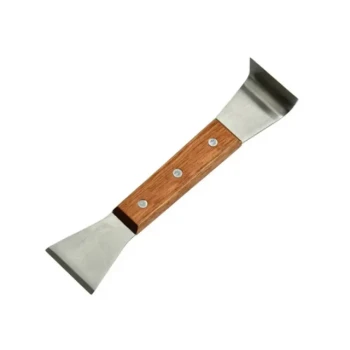
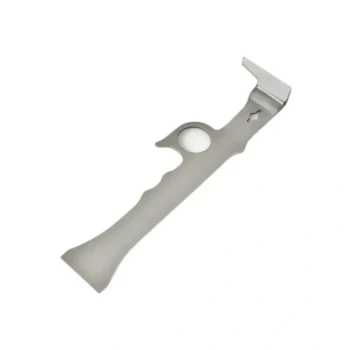
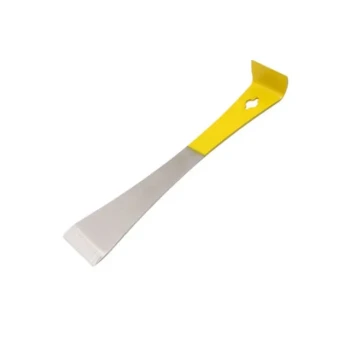
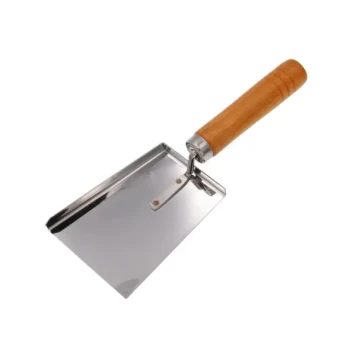
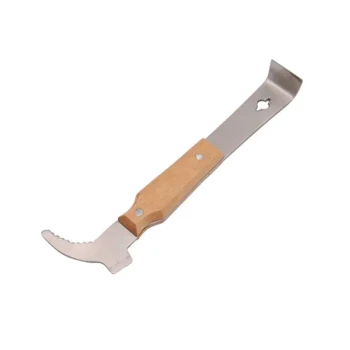
The first role of professional tools is to allow the researcher to open the beehive safely.
This minimizes stress on the colony and prevents physical damage to the hive structure. By maintaining a calm environment, the sampler can work efficiently without triggering aggressive defensive behaviors that could contaminate samples or interrupt the process.
Targeted Host Localization
Genetic analysis often requires specific life stages of the parasite.
Tools enable the technician to sift through the colony to precisely locate infested adult worker bees. This visual identification is critical because it ensures the sample comes from a known host context, rather than a random location within the hive.
Extraction of Viable Specimens
The ultimate goal is the collection of female adult Varroa mites.
Professional tools facilitate the removal of these mites from the surface of the worker bees. This direct collection is the foundational step for conducting mitochondrial haplotype genetic analysis, as it ensures the DNA source is fresh and directly linked to the host bee.
Ensuring Sample Integrity for the Lab
Beyond the extraction, professional tools and consumables play a vital role in preserving the sample as it moves from the apiary to the laboratory.
Protection During Transport
Once the mite is collected, its genetic material must be protected from environmental degradation.
Transparent sealed bags, such as vinyl sealing bags, are often employed to package the samples immediately after collection. This isolates the sample from external contaminants and ensures that the biological integrity is maintained during transport.
Standardization of Data
Using standardized sampling consumables ensures that the data collected is objective and authentic.
Whether the sample is destined for genetic sequencing or microscopic counting, the use of professional-grade containment prevents the loss of samples and ensures that what arrives at the lab accurately represents what was found in the hive.
Understanding the Trade-offs
While professional sampling tools are essential for high-level genetic work, they introduce specific challenges that must be managed.
Labor Intensity vs. Data Quality
Direct extraction of mites from bees is significantly more labor-intensive than passive methods.
While passive tools (like sticky boards) can capture falling mites for simple population counts, they are often insufficient for genetic analysis that requires high-quality DNA. The professional "live" collection method requires more time and effort per sample but yields the superior biological material needed for mitochondrial analysis.
The Requirement for Technician Expertise
The tools are only as effective as the hands using them.
Successfully removing a mite from a live bee without harming the host or crushing the specimen requires a high degree of manual dexterity and training. Improper handling can damage the DNA sample or injure the worker bee, counteracting the goal of "safe" sampling.
Making the Right Choice for Your Goal
Selecting the correct sampling method depends entirely on the specific data you need to extract from the apiary.
- If your primary focus is Mitochondrial Haplotype Analysis: You must use professional tools to manually extract live female adult mites directly from worker bees to ensure DNA quality.
- If your primary focus is Population Monitoring: You can utilize sticky detection papers to capture falling mites, which is sufficient for counting but less ideal for genetic sequencing.
- If your primary focus is Colony Health Tracking: You should combine sampling tools with regular monitoring of larvae and honey to assess reproductive status and risk factors in real-time.
Professional tools turn a chaotic biological environment into a source of structured, reliable scientific data.
Summary Table:
| Tool/Method | Primary Function | Scientific Output | Impact on Colony |
|---|---|---|---|
| Precision Forceps | Direct removal of female mites | High-quality DNA for Haplotype Analysis | Low (targeted extraction) |
| Hive Opening Tools | Safe access to colony frames | Undamaged host context | Minimal stress |
| Sealed Vinyl Bags | Sample isolation & transport | Preservation of biological integrity | N/A (post-collection) |
| Sticky Boards | Passive mite collection | Population density & counting | None (passive monitoring) |
Elevate Your Apiary’s Scientific Potential with HONESTBEE
At HONESTBEE, we understand that commercial success in beekeeping relies on both productivity and rigorous health monitoring. As a premier provider for commercial apiaries and global distributors, we offer a comprehensive wholesale range designed to meet the highest industry standards.
From high-precision sampling consumables to industrial-grade hive-making and honey-filling machinery, our portfolio is built to scale your operations. Whether you are conducting advanced mitochondrial genetic analysis or managing large-scale honey production, our specialized hardware and beekeeping tools ensure efficiency and accuracy.
Partner with HONESTBEE to secure the future of your colonies. Contact us today to explore our wholesale solutions and see how our expertise can drive your business forward.
References
- Carla E. Octaviano-Azevedo, Juliano Tomazzoni Boldo. A scientific note on genetic profile of the mite Varroa destructor infesting apiaries in Rio Grande do Sul state, Brazil. DOI: 10.1007/s13592-017-0504-8
This article is also based on technical information from HonestBee Knowledge Base .
Related Products
- Stainless Steel J Hook Hive Tool for Beekeeping
- Wooden Bee Brush with Triple Row Artificial Fiber for Beekeeping
- Professional Dual-End Stainless Steel Hive Tool for Beekeeping
- HONESTBEE 15-in-1 Beekeeper Multi-Tool with Hammer and Pliers for Beekeeping
- HONESTBEE Professional Mini J-Hook Hive Tool for Beekeeping
People Also Ask
- What specific challenges do beekeeping hive tools address during hive maintenance? Essential Solutions for Apiaries
- What are the features of a J-hook hive tool? Effortlessly Lift Frames with Superior Leverage
- What is a J-hook hive tool and why is it favored by some beekeepers? Master Gentle Frame Handling
- What is the purpose of the J-hook hive tool? Effortlessly Lift Frames with Superior Leverage
- How is a J-hook hive tool designed and what is its primary use? Master Effortless Hive Inspections