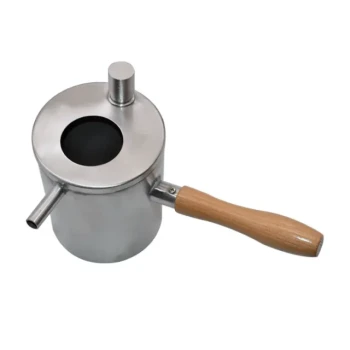
Professional-grade disinfection and incineration equipment function as the decisive physical barrier against the spread of American Foulbrood (AFB) by ensuring the total destruction of Paenibacillus larvae spores. Because these bacterial endospores possess extreme resistance to environmental factors and standard chemical cleaners, the use of high-intensity flame sterilization and industrial-grade incinerators is the only proven method to eradicate the pathogen and prevent recurring outbreaks.
Paenibacillus larvae spores can remain viable on hive materials for decades, rendering standard sanitation efforts futile. Professional combustion and sterilization tools provide the extreme heat intensity necessary to achieve total spore eradication, which is the only metric that matters for the long-term biological security of an apiary.
The Biological Necessity of High-Intensity Equipment
Overcoming Spore Resilience
The causative agent of AFB, Paenibacillus larvae, produces bacterial endospores that are exceptionally hardy. These spores can survive in dormant states for extremely long periods, resisting common disinfectants that would kill ordinary bacteria.
Standard cleaning methods are insufficient against this threat. Relying on basic sanitation allows the spores to persist in the woodwork and wax, guaranteeing that the disease will re-emerge in future seasons.
The Role of Thermal Destruction
To penetrate the protective shell of the spore, extreme heat is required. Professional-grade equipment is designed to deliver sustained, high-intensity thermal energy that exceeds the survival threshold of the bacteria.
This moves the process from simple "cleaning" to biological sterilization. It ensures that the equipment itself does not become a vector for disease transmission.
Strategic Application in the Apiary
Flame Sterilization of Hive Bodies
For hive boxes that are structurally sound but potentially contaminated, professional torches are the primary tool for remediation. These high-output devices allow beekeepers to scorch the interior surfaces of wooden hives effectively.
The goal is to darken the wood deeply enough to kill any spores hidden in cracks or crevices. This allows the beekeeper to salvage expensive woodenware without compromising the health of future colonies.
Incineration of Contaminated Components
Frames and wax foundations often harbor the highest concentration of spores and are difficult to sterilize effectively. Industrial-grade incinerators play a critical role here by facilitating the complete destruction of these high-risk materials.
By reducing infected biomass to ash, incinerators physically cut off the cross-infection pathways. This prevents bees from robbing contaminated honey or wax, which is a primary driver of disease spread between colonies.
Creating Biosecurity Barriers
Beyond heat treatment, professional disinfection equipment establishes a defensive perimeter around the apiary. This includes the systematic treatment of tools, gloves, and protective clothing which can otherwise serve as mechanical vectors for the disease.
Strict adherence to these protocols creates a biosecurity firewall. It ensures that inspections and maintenance work do not inadvertently transport spores from a sick colony to a healthy one.
Understanding the Trade-offs
Asset Destruction vs. Colony Survival
The primary trade-off in AFB management is the immediate loss of capital assets (frames and wax) versus the survival of the operation. Using incineration equipment means accepting the financial loss of materials to save the biological life of the apiary.
Operational Intensity
Implementing professional-grade sterilization is labor-intensive and dangerous if mishandled. It requires strict safety protocols and significant time investment compared to standard cleaning, but this "cost" is negligible compared to the total loss of an apiary to AFB.
Implementing a Biosecurity Strategy
To effectively control AFB, you must match the solution to the severity of the biological threat.
- If your primary focus is salvaging woodenware: Utilize professional torches to scorch hive interiors, ensuring the flame penetrates all cracks and crevices to kill hidden spores.
- If your primary focus is stopping an active outbreak: Use industrial incinerators to immediately destroy all frames and wax foundations from infected hives, as these cannot be safely sterilized.
- If your primary focus is prevention: Establish a routine using professional disinfection equipment for tools and protective clothing to prevent mechanical transmission between inspections.
Total eradication of spore reservoirs is the only way to break the chain of transmission and secure the future yields of your beekeeping operation.
Summary Table:
| Equipment Type | Primary Function | Biosecurity Role |
|---|---|---|
| High-Intensity Torches | Scorching hive interiors | Sterilizes woodenware for safe reuse |
| Industrial Incinerators | Complete biomass destruction | Eliminates high-risk frames and wax reservoirs |
| Disinfection Tools | Chemical/Heat tool treatment | Prevents mechanical cross-contamination |
| Thermal Sterilizers | Spore eradication | Breaks the biological chain of infection |
Protect Your Colonies with HONESTBEE’s Professional Biosecurity Solutions
Don't let American Foulbrood (AFB) compromise your commercial operation. HONESTBEE specializes in supporting commercial apiaries and distributors with the high-performance tools and machinery needed to maintain strict biological standards. From robust hive-making machines to specialized sterilization hardware and industry consumables, we provide the full spectrum of equipment to keep your apiary productive and pathogen-free.
Ready to upgrade your apiary’s defense? Contact us today to explore our wholesale equipment solutions and learn how our industry expertise can secure your beekeeping future.
References
- Marco Pietropaoli, Giovanni Formato. Biosecurity measures in European beekeeping. DOI: 10.20506/rst.39.3.3174
This article is also based on technical information from HonestBee Knowledge Base .
Related Products
- Stainless Steel Honey Bee Smoker Hive and Honeycomb Smoker for Beekeeping
- Professional Bee Smoker with Elongated Spout and Durable Bellows for Beekeeping
- European Stainless Steel Bee Smoker for Honey Bee Hive
- Heavy Duty Manual Bee Smoker Blower for Beekeeping
- Stainless Steel Bee Hive Smoker Beekeeping Smoker for Wholesale
People Also Ask
- What are bee smokers made out of? Choose the Right Material for Your Apiary
- What type of bee smoker is recommended for a beginner? Top Picks for Easy Hive Management
- Why is a stainless steel bee smoker considered indispensable? Master Hive Management with Cool Smoke Technology
- When should you add more fuel to the bee smoker? Watch for This Critical Smoke Signal
- What is the best material for a bee smoker? Choose the Right Fuel for a Calm Hive