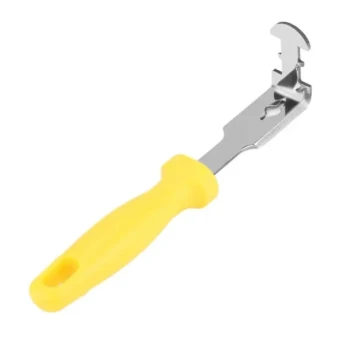
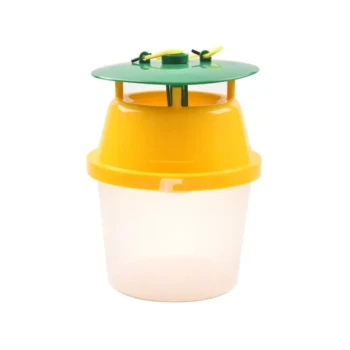
Professional pest control consumables function as the primary defensive infrastructure for honeybee colonies against invasive threats. These tools, specifically traps and monitoring devices, serve as physical and chemical barriers that isolate pests like the Small Hive Beetle (SHB) from the colony's core resources. By establishing these barriers, they protect the hive's structural integrity and product quality without disrupting the bees' natural production cycles.
While invasive species threaten to destroy honeycombs and contaminate honey, professional consumables provide a critical dual function: they mechanically contain the pest threat and generate the data needed for early intervention.
The Mechanics of Physical Isolation
Creating Effective Barriers
The primary role of these consumables is to enforce physical isolation. Traps and specialized devices are designed to intercept pests upon entry, preventing them from accessing vulnerable areas of the hive.
By mechanically limiting the movement of the Small Hive Beetle, these tools stop the pest from reaching the honeycomb, honey stores, and bee larvae. This containment prevents the biological stress that typically leads to colony collapse or absconding.
Preserving Colony Productivity
Crucially, these barriers are engineered to be non-intrusive to the bees themselves.
The design ensures that while pests are trapped or chemically deterred, the colony's normal production activities continue unimpeded. This balance allows for high biosecurity without sacrificing honey yield or pollination efficiency.
The Role of Early Detection
Standardized Monitoring
Beyond physical protection, consumables serve as a vital early warning system. Monitoring traps utilize standardized visual criteria to help beekeepers identify infestations at the earliest possible stage.
This is particularly important for invasive species like Aethina tumida (Small Hive Beetle), where early identification is the key to preventing rapid spread.
Data-Driven Biosecurity
These tools function as part of a broader biosecurity framework. By using identification manuals in conjunction with monitoring traps, apiarists can accurately assess the threat level at the apiary level.
This data allows for targeted interventions rather than blanket treatments, aligning with modern integrated pest management strategies.
Integration with Hive Architecture
Enhancing Airtightness
The effectiveness of pest control consumables is often amplified by precision-manufactured hive components. Modern hive-making machinery produces components with higher airtightness.
This precision reduces the gaps and cracks that serve as entry points for pests, forcing them toward the traps and controlled entryways where consumables are placed.
Structural Defense
Specialized components, such as trap bottom boards, integrate the consumable directly into the hive's structure.
These physically durable materials create an environment where pest reproduction is mechanically limited, further reducing the damage to honeycombs and larvae.
Understanding the Trade-offs
While professional consumables are essential, they are not autonomous solutions.
Maintenance is Critical: Traps and barriers are physical devices that can become saturated or degraded over time. If a trap is full of beetles or debris, it loses its ability to isolate pests and may even become a harboring ground if not cleaned or replaced.
Dependence on Precision: The success of these consumables relies heavily on the quality of the hive structure. A loose, poorly constructed hive will have too many entry points for a trap to manage effectively, rendering the consumable less efficient.
Making the Right Choice for Your Goal
To effectively protect your colonies, align your choice of consumables with your specific management objectives.
- If your primary focus is Rapid Response: Prioritize monitoring traps and identification manuals to establish an early warning system that flags infestations before they damage the comb.
- If your primary focus is Long-Term Prevention: Invest in integrated trap bottom boards and precision-milled components to mechanically limit pest movement and reproduction continuously.
Professional consumables transform pest control from a reactive panic into a managed, structural process.
Summary Table:
| Feature | Role of Consumables | Impact on Colony |
|---|---|---|
| Physical Isolation | Traps and barriers intercept pests at entry points. | Prevents honeycomb destruction and protects larvae. |
| Early Detection | Standardized monitoring devices flag infestations early. | Enables rapid intervention before colony collapse. |
| Structural Defense | Integrated trap bottom boards reduce hive gaps. | Minimizes entry points and limits pest reproduction. |
| Biosecurity Data | Visual identification tools assess threat levels. | Supports data-driven, targeted pest management. |
Secure Your Apiary with Professional-Grade Defense
At HONESTBEE, we understand that commercial success in beekeeping depends on the health and security of your colonies. We offer a comprehensive wholesale portfolio designed for commercial apiaries and distributors, ranging from precision hive-making and honey-filling machinery to essential pest control consumables that safeguard your investment.
Partner with us to access the full spectrum of high-quality hardware and industry-leading supplies that ensure your honeybee colonies thrive against invasive threats.
Connect with HONESTBEE today for wholesale solutions
References
- Don Keith. Native Forest Changes Affecting Apiculture and Crop Pollination. DOI: 10.5962/p.357866
This article is also based on technical information from HonestBee Knowledge Base .
Related Products
- Reusable Aluminium Beetle Trap for Small Hive Beetles Silver Bullet
- Removable Washable Hive Beetle Trap Attractants for Small Hive Beetles
- Reusable Clear Small Hive Beetle Traps for Beehives Beetle Trapping Tools
- Plastic Beetle Blaster Trap Beekeeping Tools and Supplies
- Black Plastic Beetle Barn Hive Beetle Trap for Beehives
People Also Ask
- How should powdered substances be used in beetle traps for hive beetle control? Expert Guide for Maximum Colony Protection
- Why are beetle traps less effective during winter? Seasonal Shifts in Pest Control Explained
- When is the best time to use small hive beetle traps in cold climates? Protect Your Honeybee Winter Stores Now
- When and how should disposable traps for small hive beetles be removed? Master Hive Hygiene and Efficiency
- How do small hive beetle traps contribute to colony management? Enhance Diagnostic Accuracy and Protect Hive Health