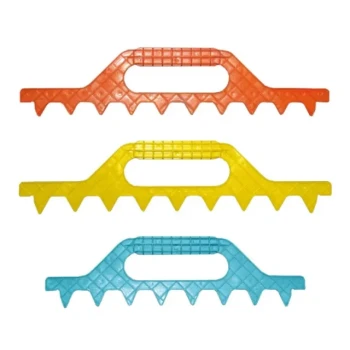
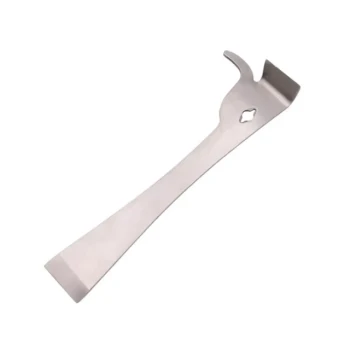
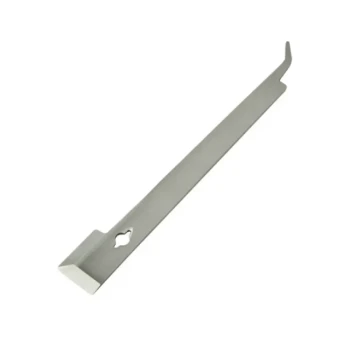
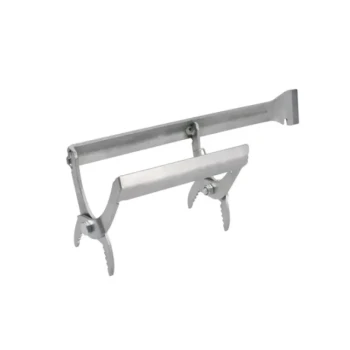
Specialized hive management tools and pest control consumables are the operational foundation of mite and disease risk management in commercial Apis mellifera apiaries. Hive hardware supports consistent inspections, monitoring, ventilation, sanitation, and colony handling, while diagnostic products and treatment consumables enable beekeepers to detect and control threats such as Varroa destructor, Tropilaelaps mites, and associated viral diseases. Their value is greatest when used as part of a documented, integrated health program rather than as isolated products.
The central role of these products is to turn colony health management from reactive treatment into a repeatable system: inspect routinely, measure risk, apply appropriate controls safely, and verify the result.
Why Commercial Apis mellifera Apiaries Need Specialized Control Systems
Mites Create More Than a Direct Parasite Problem
Parasitic mites weaken bees directly and can contribute to the transmission or amplification of viral pathogens. In unmanaged infestations, colony health, overwintering strength, and honey production can decline sharply, with severe cases resulting in colony failure.
Commercial operations face additional exposure because they manage many colonies in shared locations and often move them for pollination or production. A health problem can therefore spread rapidly across an apiary if detection and treatment are inconsistent.
Standardization Reduces Management Errors
Standardized hive bodies, frames, screened bottom boards, entrance components, and inspection tools help crews perform the same tasks across large numbers of colonies. Consistency makes observations more comparable and reduces variation caused by improvised equipment.
This matters commercially because a small inspection or treatment error repeated across hundreds of hives can become a major production and economic risk.
How Hive Management Tools Support Disease and Mite Mitigation
Inspection Tools Enable Early Detection
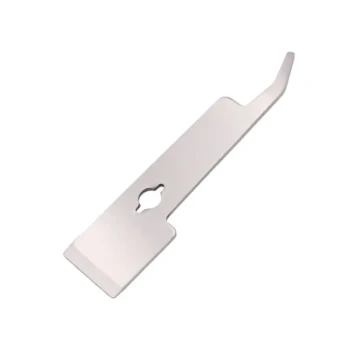
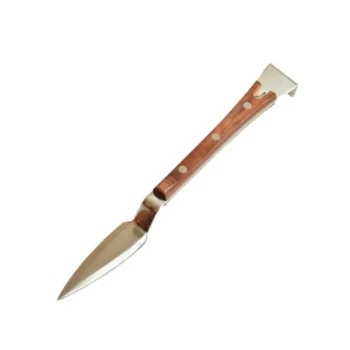
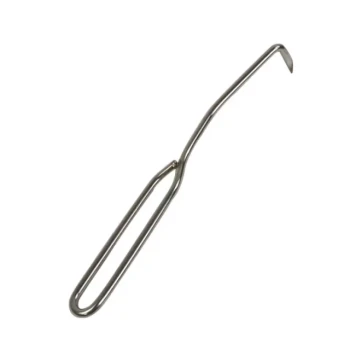
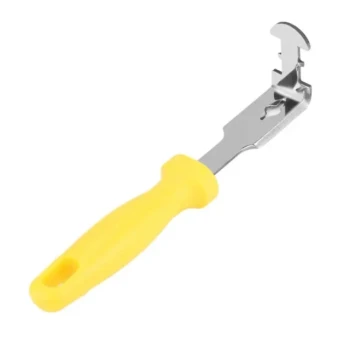
Hive tools, smokers, protective clothing, frame-handling equipment, and inspection accessories allow workers to examine brood, adult bee populations, food stores, queen status, and visible signs of disease safely and efficiently.
Routine inspections help identify abnormal brood patterns, weakened colonies, excessive mite loads, and signs of stress before the problem becomes a large-scale colony loss.
Screened Bottom Boards and Diagnostic Boards Improve Monitoring
Screened bottom boards can support ventilation and permit the use of sticky boards or other monitoring surfaces to assess mite drop. These systems provide useful information about infestation pressure and treatment performance.
However, fallen mites alone should not be treated as a complete diagnosis. Monitoring results should be interpreted alongside colony condition, brood status, sampling methods, and the requirements of the locally approved control program.
Ventilation and Entrance Components Support Stable Colonies
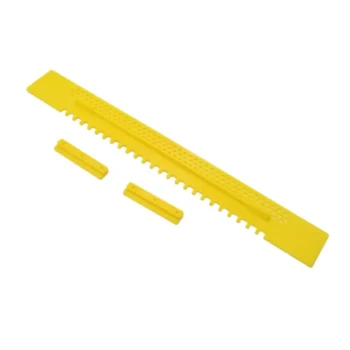
Ventilated hive components and suitable entrance reducers help manage airflow, colony access, and hive handling. They can also support more controlled inspections and reduce opportunities for robbing or unwanted colony traffic when used appropriately.
These components do not replace mite or disease treatments. Their role is to improve hive management and reduce environmental and operational stress that can compound health problems.
Sanitation Accessories Strengthen Apiary Biosecurity
Cleaning and sanitation supplies help reduce the risk of transferring pathogens and pests through hive tools, frames, clothing, transport equipment, and shared work areas. Equipment should be managed through defined procedures rather than occasional cleaning alone.
Commercial operators should also separate or identify suspect colonies, control movement between apiary sites, and maintain records of inspections and treatments.
How Pest Control Consumables Complete the Management Process
Diagnostic Kits Turn Suspicion Into Action
Mite monitoring kits, sticky boards, sampling equipment, and disease diagnostic products help operators determine whether intervention is justified. Early identification is important because visible colony decline may occur only after parasite pressure or disease has already become substantial.
A diagnostic product is most useful when it is paired with a clear threshold, treatment decision, and follow-up inspection.
Treatment Strips and Organic-Acid Applications Provide Targeted Control
Commercial pest control consumables may include approved treatment strips, organic-acid application products, vaporizers, and other specialized applicators. These products are designed to deliver a treatment in a controlled manner while limiting unnecessary exposure to bees, operators, and hive products.
Use must follow the product label, local regulations, temperature requirements, protective-equipment instructions, and any restrictions related to honey supers or harvest timing. Product availability does not make a treatment suitable for every colony or season.
Application Equipment Improves Precision and Worker Safety
Vaporizers, feeding tools, measuring equipment, and treatment applicators help crews administer products consistently. This is especially important in commercial apiaries, where uneven dosing or poor application technique can produce treatment failure and increase resistance pressure.
Purpose-built equipment also reduces reliance on improvised methods that may expose workers, damage colonies, or contaminate hive products.
Nutritional Support Helps Colonies Recover
Nutritional feed supplements and specialized feeding equipment can support colonies experiencing stress, forage shortages, or recovery after heavy parasite pressure. Stronger colonies are generally better positioned to maintain brood care and population stability.
Nutrition is supportive rather than curative. It cannot substitute for accurate diagnosis, mite control, disease prevention, or sound queen and colony management.
Building an Integrated Commercial Health Program
Monitor Before and After Treatment
Commercial apiaries should establish a routine monitoring schedule rather than waiting for visible symptoms. Pre-treatment measurements help determine the need for intervention, while post-treatment checks indicate whether the control method worked.
Follow-up is essential because treatment failure may result from incorrect application, reinfestation, resistant mite populations, or inadequate coverage of the affected colonies.
Rotate Control Methods Responsibly
Repeated use of the same active ingredient or treatment approach can contribute to reduced effectiveness over time. An integrated program may combine monitoring, mechanical controls, approved chemical treatments, sanitation, colony management, and appropriate rotation strategies.
Rotation should be based on approved product guidance and local veterinary or beekeeping recommendations, not on arbitrary product switching.
Protect Honey and Brood
Treatment timing and application method must account for honey supers, brood cycles, colony strength, and the intended use of hive products. Incorrect timing can reduce treatment performance or create unacceptable residue risks.
Commercial operators need written procedures that define which products may be used, when they may be applied, who is authorized to apply them, and how treated colonies are identified.
Use Records to Manage Risk Across the Apiary
Records should connect colony identification with inspection findings, mite counts, disease observations, treatment dates, products used, and follow-up results. This allows managers to identify recurring problems and evaluate supplier or product performance.
For distributors and wholesalers, traceable product information and reliable documentation are therefore part of the product’s practical value—not merely administrative extras.
The Commercial Value of a Full-Spectrum Supply Program
One-Stop Sourcing Improves Operational Continuity
Apiaries need more than a single treatment product. They require hive components, inspection tools, diagnostic supplies, protective equipment, applicators, sanitation products, and replacement parts.
A supplier capable of providing this broader portfolio can reduce purchasing complexity, prevent gaps in treatment readiness, and help customers standardize equipment across multiple sites.
Fast Fulfillment Matters During Time-Sensitive Events
Mite and disease management often depends on seasonal windows and timely intervention. Delayed access to diagnostic or treatment supplies can allow an infestation to progress or cause operators to miss an appropriate application period.
Rapid response, efficient order fulfillment, and dependable stock availability are therefore operational advantages for commercial beekeepers and their resellers.
Technical Support Differentiates Professional Supply
Product selection depends on colony scale, inspection method, treatment requirements, regional regulations, and the operator’s existing equipment. Knowledgeable customer service can help buyers identify compatible products without encouraging unnecessary or inappropriate treatment.
For B2B customers, professional support is most valuable when it combines clear product information, responsive communication, and practical understanding of commercial apiary workflows.
Understanding the Trade-offs
Equipment Does Not Replace Skilled Decisions
A screened bottom board, diagnostic kit, or vaporizer can improve management, but none can determine the correct intervention without trained interpretation. Poor sampling, inconsistent inspections, or incorrect treatment timing can still produce false confidence.
The objective is not to acquire more equipment indiscriminately. It is to create a reliable process in which each product has a defined management purpose.
Treatments Can Create Residue and Resistance Risks
Pest control products must be used only as directed and in accordance with applicable regulations. Overuse, incorrect dosing, poor timing, or use during honey production can create residue concerns, harm colonies, or reduce product effectiveness.
Resistance is also a strategic risk. A treatment program should include monitoring and periodic evaluation rather than assuming that one product will remain effective indefinitely.
Improvised Hardware Can Increase Variability
Plastic or metal sheet adaptations, unsuitable hive covers, poorly ventilated components, and makeshift applicators may be cheaper initially but can create inconsistent colony conditions and difficult-to-control treatment outcomes.
Purpose-built equipment generally offers better fit, repeatability, worker safety, and compatibility with standardized commercial workflows.
Product Availability Must Be Matched to Local Requirements
Approved treatments, application methods, and permitted active ingredients vary by jurisdiction. A product that is suitable in one market may be restricted or unsuitable in another.
Distributors should provide accurate labeling and regulatory information and avoid presenting general product availability as universal treatment authorization.
How to Apply This to Your Apiary Supply Strategy
A practical commercial program should connect products to specific management tasks and measurable outcomes.
- If your primary focus is mite prevention: Prioritize standardized inspection tools, mite monitoring kits, screened or compatible bottom-board systems, and approved treatment consumables supported by pre- and post-treatment checks.
- If your primary focus is disease and biosecurity: Build a package around sanitation accessories, protective equipment, hive inspection tools, colony identification systems, and diagnostic supplies that support rapid isolation and response.
- If your primary focus is operational efficiency: Source compatible hive components, applicators, replacement parts, and consumables from suppliers offering dependable stock, rapid fulfillment, and responsive technical service.
- If your primary focus is product distribution: Offer a full-spectrum portfolio with clear application information, reliable documentation, and support that helps resellers and commercial beekeepers select products responsibly.
A well-designed combination of monitoring equipment, standardized hive hardware, skilled inspection, and compliant treatment consumables gives commercial Apis mellifera operations the control and consistency needed to protect colony health and production capacity.
Summary Table:
| Tool/Consumable | Role in Mitigation | Key Benefits |
|---|---|---|
| Inspection Tools | Enable routine checks | Early detection of disease and mite levels |
| Screened Bottom Boards | Monitor mite drop | Provides data for treatment decisions |
| Diagnostic Kits | Confirm infestation | Targeted intervention reduces unnecessary treatments |
| Treatment Strips & Organic Acids | Control mite populations | Effective when applied correctly per label |
| Application Equipment | Ensure precise dosing | Consistency, safety, and reduced resistance risk |
| Sanitation Supplies | Maintain biosecurity | Prevent pathogen spread between colonies |
| Nutritional Supplements | Support colony recovery | Strengthens bees to better withstand stressors |
Elevate your apiary's health management with HONESTBEE's comprehensive range of hive tools and pest control consumables. From precise monitoring kits to reliable treatment applicators, we supply everything you need to protect your colonies. Our one-stop sourcing, rapid fulfillment, and expert support help you implement effective integrated health programs. Contact us today to optimize your operations and safeguard your productivity – get in touch with our specialists.
Related Products
- Ergonomic Plastic Frame Spacer Tool for Rapid Hive Management Beekeeping
- Professional Stainless Steel Pry-Bar Hive Tool
- HONESTBEE Professional Multi-Functional Hive Tool with Ergonomic Wood Handle
- Professional Multi-Function Stainless Steel Hive Tool
- Professional Dual-End Stainless Steel Hive Tool for Beekeeping
People Also Ask
- What specific challenges do beekeeping hive tools address during hive maintenance? Essential Solutions for Apiaries
- How do specialized beehive management tools assist in the routine maintenance of bee colonies? Boost Hive Efficiency
- How do specialized beehive management tools support high-purity honey production? Master Monofloral Isolation
- What are the approximate costs of basic beekeeping tools? Start Your Apiary for Under $85
- How do traditional harvesting tools like axes and machetes negatively affect bee colonies? Upgrade to Professional Gear