Specialized trucks and palletized systems function as the logistical backbone of commercial beekeeping, balancing biological constraints with industrial efficiency. Specialized trucking is primarily used to align transport with the Western honeybee’s natural cycles, minimizing population loss. Simultaneously, palletized systems transform the physical handling of hives, allowing for the rapid mass deployment necessary for large-scale agricultural pollination.
The core challenge of long-distance bee transport is moving thousands of colonies without disrupting their internal stability. Specialized transport and palletization solve this by synchronizing logistical speed with the biological habits of the hive.
The Role of Specialized Trucking
Leveraging Biological Habits
The primary function of specialized trucks is to facilitate overnight colony transfers. Western honeybees follow distinct circadian rhythms, returning to the hive at dusk and remaining distinct inside during the night.
Transporting hives during daylight hours would result in the loss of active foragers who are out in the field. By moving exclusively at night, operators ensure the colony remains intact.
Minimizing Worker Bee Loss
Preserving the colony's population density is critical for effective pollination. Specialized trucking schedules reduce worker bee loss by moving the hive only when all members are present.
This ensures that the colony arrives at the destination with its full workforce ready to fly the following morning.
The Efficiency of Palletized Systems
Mechanical Speed and Scalability
Palletization shifts beekeeping from a manual process to a mechanical one. Instead of handling individual hives, operators use forklifts to load and unload entire pallets containing multiple colonies.
This system drastically reduces the time required to secure a load. It allows for the movement of massive numbers of hives in tight time windows.
Rapid Deployment in Agriculture
The ultimate goal of palletization is rapid deployment at the precise moment it is needed. Systems are designed to offload colonies quickly at strategic locations, such as orchard centers, just as the bloom begins.
Strategic Placement Tactics
Palletized systems allow operators to easily position hives in upwind positions. This placement encourages bees to fly into the crop for pollination rather than drifting away.
Quick placement ensures that pollination begins immediately, maximizing the yield potential of the crop's bloom window.
Understanding the Operational Trade-offs
Strict Timing Windows
The reliance on biological habits creates a rigid operational window. Loading and unloading must occur strictly between dusk and dawn.
Delays that push operations into daylight hours can result in bees taking flight during loading, leading to lost livestock and safety hazards for the crew.
Infrastructure Dependencies
Palletized systems require heavy machinery at both the origin and destination. You cannot simply drop hives off; you need forklifts and accessible terrain to maneuver them.
This adds a layer of logistical complexity, as the receiving orchard must be prepped to accommodate the equipment, not just the bees.
Making the Right Choice for Your Goal
To maximize the effectiveness of long-distance transport, align your logistics with your specific pollination objectives.
- If your primary focus is Colony Health: Strictly adhere to overnight transport schedules to ensure zero loss of foraging worker bees.
- If your primary focus is Operational Speed: Invest in standardized pallet systems that allow for rapid, mechanized loading to hit narrow bloom windows.
Effective transport is not just about moving boxes; it is about delivering a biological workforce exactly when and where it is needed most.
Summary Table:
| Feature | Specialized Trucking Role | Palletized System Role |
|---|---|---|
| Primary Objective | Biological Synchronization | Mechanical Efficiency & Speed |
| Key Benefit | Minimizes loss of active foragers | Rapid mass deployment of hives |
| Operational Timing | Night-time (Dusk to Dawn) | Critical bloom windows |
| Handling Method | Manual/Integrated logistics | Forklift-based mechanical handling |
| Strategic Advantage | Preserves colony population density | Precise upwind placement in orchards |
Scale Your Beekeeping Operations with HONESTBEE
At HONESTBEE, we understand that moving thousands of colonies requires more than just transport—it requires precision engineering. We specialize in empowering commercial apiaries and distributors with the robust machinery and high-quality consumables needed to manage large-scale pollination services.
Whether you need specialized hive-making equipment, honey-filling machines, or industrial-grade beekeeping tools, our comprehensive wholesale portfolio is designed to enhance your operational efficiency and protect your biological workforce.
Ready to upgrade your commercial apiary? Contact our experts today to discover how HONESTBEE can streamline your logistics and boost your production capacity.
References
- C.H. Toni, G. Ampong Mensah. Western honey bee management for crop pollination. DOI: 10.4314/acsj.v26i1.1
This article is also based on technical information from HonestBee Knowledge Base .
Related Products
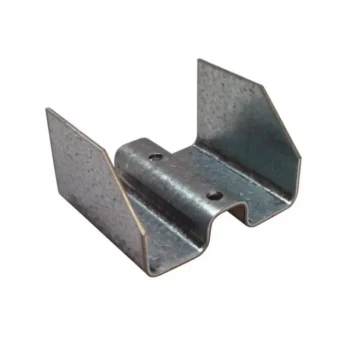
- Heavy-Duty Galvanized Steel W-Style Pallet Clip
- Plastic Transporting Bee Packages and Nuc Boxes for Beekeeping
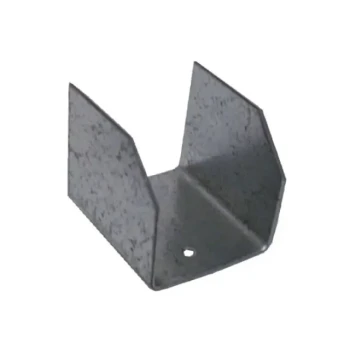
- Versatile U-Style Steel Pallet Clip
People Also Ask
- How do migratory beekeepers transport their hives? A Guide to Nocturnal, Large-Scale Bee Movement
- How is the metal clip of a beehive connector attached? Simple Fastening Guide for Secure Hives
- How does a four-colony pallet function within migratory beekeeping? Scale Your Apiary with Industrial Logistics
- How do industrial four-way migratory pallets improve efficiency? Mechanized Apiary Management and Logistics
- How is the metal clip attached to the attachment? A Guide to Secure Mechanical Fastening