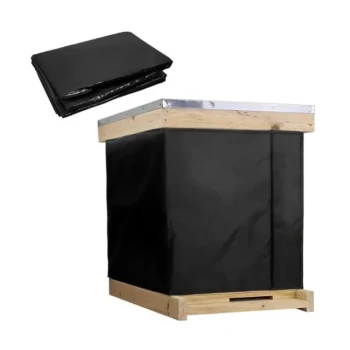
Thermal insulation materials in beehive lids act as a critical thermal barrier that stabilizes the internal micro-climate against seasonal extremes. By effectively blocking heat loss during severe winters and preventing external heat penetration during intense summers, these materials reduce the metabolic energy bees must expend on temperature regulation. This stabilization is essential for protecting larval development, preventing honey crystallization, and ensuring the overall survival of the colony.
High-performance insulation in hive lids is the primary defense against thermal stress, directly influencing colony productivity and survival rates. For B2B distributors, offering lids with integrated insulation provides a high-value solution that addresses the most significant environmental risks in modern apiculture.
Regulating the Internal Micro-climate
Winter Heat Retention and Energy Conservation
During dormant periods, the lid's insulation creates a physical heat barrier that prevents warmth from escaping through the top of the hive. This reduces the amount of honey the colony must consume to generate metabolic heat, preventing starvation during long winters.
By maintaining a constant temperature in the core area, insulation helps the colony stay in a tight cluster. This efficiency is vital in boreal climates where extreme frost can otherwise lead to rapid colony collapse.
Summer Heat Mitigation and Productivity
In high-temperature environments, insulated lids prevent external heat conduction from reaching the brood nest. This significantly reduces the need for worker bees to perform labor-intensive fanning and water-cooling activities.
When bees spend less energy on cooling the hive, they can redirect their resources toward foraging and honey production. A stable internal environment also prevents heat stress, which can otherwise reduce the longevity and efficiency of the worker population.
Impact on Colony Development and Quality
Enhancing Queen Rearing and Brood Vitality
Thermal insulation coatings and materials strengthen heat retention during late winter and early spring. This allows colonies to enter a queen-rearing state earlier in the season, which is a significant advantage for commercial operations.
Studies show that better thermal regulation leads to an increase in the number and length of queen cells. Furthermore, emerging queens from insulated environments often exhibit higher initial birth weights and better overall health.
Preventing Resource Degradation
A stable thermal environment is critical for maintaining the physical properties of the hive's contents. Insulation helps prevent the crystallization of honey stores, ensuring the food remains accessible to the bees throughout the winter.
Additionally, consistent temperatures support the development of larvae. Fluctuations in temperature can disrupt the brood cycle, leading to weaker generations or susceptibility to opportunistic diseases.
Understanding the Trade-offs
Moisture Management and Ventilation
While high-insulation materials are excellent for temperature control, they can inadvertently trap moisture if not paired with proper ventilation. Excessive humidity inside a well-insulated hive can lead to mold growth or damp conditions that are harmful to bee health.
Material Durability and Pest Resistance
Some insulation materials, such as certain foams, may be susceptible to damage from pests like woodpeckers or wax moths. It is crucial for wholesalers to source lids that utilize durable, treated natural fibers or high-density plastics that offer both thermal resistance and physical protection.
Selecting the Right Insulation for Your Inventory
As a distributor or reseller, your choice of inventory should reflect the specific environmental challenges faced by your clients. Providing a comprehensive spectrum of insulated lid options ensures you can meet the needs of diverse beekeeping operations.
- If your primary focus is Boreal or Cold-Climate Markets: Prioritize lids with high R-value foam boards or treated natural fiber inserts to maximize winter heat retention.
- If your primary focus is Tropical or High-Heat Markets: Focus on lids featuring heat-reflective coatings and plastic materials that act as poor conductors to block solar radiation.
- If your primary focus is Professional Queen Breeders: Offer premium insulated top covers that facilitate early-season brood expansion and superior queen cell development.
Empowering your customers with high-quality thermal management tools is the most effective way to ensure their long-term success and loyalty.
Summary Table:
Key Benefits of Insulated Beehive Lids
| Feature | Role in Temperature Management | Business Value for Distributors |
|---|---|---|
| Winter Retention | Blocks heat loss; reduces honey consumption. | High-demand for cold-climate markets. |
| Summer Mitigation | Prevents heat penetration; reduces fanning. | Increases honey yields and forage time. |
| Brood Vitality | Stabilizes micro-climate for queen rearing. | Premium solution for professional breeders. |
| Resource Protection | Prevents honey crystallization and mold. | Ensures long-term colony health and ROI. |
| Climate Adaptation | Offers tailored R-values for specific regions. | Enables targeted inventory strategies. |
Partner with HONESTBEE for Superior Beekeeping Solutions
Elevate your wholesale inventory with high-performance thermal management tools from HONESTBEE. As a leading one-stop sourcing partner for commercial apiaries and B2B distributors, we provide a comprehensive full-spectrum product portfolio—from insulated hive components and professional beekeeping tools to advanced hive-making and honey-filling machinery.
Why choose HONESTBEE?
- Deep Industry Expertise: Products designed for maximum colony productivity and survival.
- Premium Trading Services: OEM/ODM support and certified quality for high profit margins.
- Unmatched Efficiency: Ultra-fast delivery and rapid response times to keep your supply chain moving.
Ready to scale your business with a reliable industry leader? Contact us today to request a quote or catalog!
References
- مدرس المساعد صباح نوري محمد الدليمي. تدهور تربية نحل العسل وأدارة المناحل في ناحية الراشدية والعوامل المؤثرة فيها .. DOI: 10.58564/ma.v15i41.2184
This article is also based on technical information from HonestBee Knowledge Base .
Related Products
- Professional Insulated Winter Hive Wrap for Beekeeping
- Professional Insulated Plastic Bee Hives
- Inner Beehive Cover for Beekeeping Bee Hive Inner Cover
- Telescopic Beehive Outer Cover Lid Roof with Galvanised Sheeting for Langstroth Hive and Beehive Outer Cover
- Stainless Steel Round Beehive Air Vents for Ventilation
People Also Ask
- What are the steps to properly wrap a beehive for winter? Ensure Your Colony Survives the Cold
- When is the best time to wrap a beehive for winter? A Guide to Perfect Winterization Timing
- How do professional insulation wraps provide protection for bee colonies? Optimize Winter Survival & Energy Efficiency
- What are the technical benefits of using winter wraps for beehive insulation? Boost Colony Survival & Hive Health
- What are the benefits of using insulated covers for hives? Ensure Colony Survival and Health