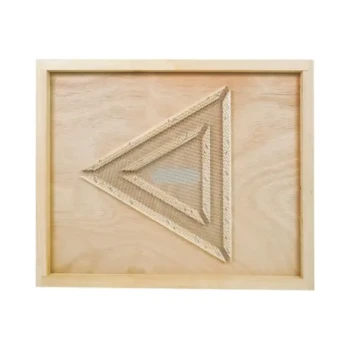
An anti-Varroa bottom board serves as the primary data collection interface for studying honeybee hygiene, specifically acting as a physical filter to isolate parasites. By utilizing a specialized metal mesh, this equipment captures mites dislodged during grooming, prevents them from re-infesting the colony, and preserves them for scientific analysis.
The device transforms a standard hive component into a quantitative research tool. It provides the physical evidence necessary to distinguish between simple parasite mortality and active, behavioral resistance by the colony.
The Mechanics of Isolation
Precision Filtering
The core feature of the board is a modified screen or metal grid. The spacing is engineered to be permeable to falling mites but impermeable to honeybees.
This creates an immediate physical separation between the host and the parasite.
Preventing Re-infestation
In a standard hive, a dislodged mite might survive and climb back onto a host bee. The anti-Varroa board interrupts this cycle.
By directing fallen mites into a collection tray beneath the mesh, the equipment ensures that any mite removed by the bees is permanently excised from the colony.
Ensuring Sample Integrity
For researchers, the "drop count" must be accurate. If mites could escape or re-attach, the data would be compromised.
The physical barrier ensures that the daily count of fallen mites reflects the actual number dislodged, maintaining the statistical validity of the study.
Quantifying Grooming Behavior
Analyzing Mechanical Damage
The mere presence of a dead mite does not prove grooming behavior; the mite may have died of natural causes.
Researchers use the collected samples to inspect mites for mechanical damage, such as missing legs or crushed carapaces. This physical evidence confirms the mite was removed via self-grooming or social grooming.
Calculating Colony Resistance
By counting the ratio of damaged mites to the total mite drop, scientists can quantify a colony's "grooming intensity."
This allows for objective comparisons between different subspecies, such as quantifying the superior grooming capabilities often observed in Africanized honeybees compared to European strains.
Understanding the Constraints
Differentiating Mortality Types
A common pitfall in interpreting bottom board data is assuming all fallen mites represent successful grooming.
Mites fall due to natural mortality, brood breaks, or grooming. Without microscopic analysis of the mite's physical condition (looking for bite marks), raw drop counts only measure infestation levels, not grooming behavior.
Maintenance of the Grid
To function as a scientific instrument, the mesh must remain clear of debris.
Accumulation of wax or propolis can block the grid, allowing mites to remain accessible to bees or preventing them from falling into the collection tray, which skews the data.
Applied Use in Breeding Programs
To effectively use an anti-Varroa bottom board for research or stock improvement, align your analysis with your specific objectives:
- If your primary focus is breeding for resistance: Prioritize the microscopic examination of fallen mites to calculate the percentage exhibiting physical damage from mandibles.
- If your primary focus is infestation monitoring: Focus on the total daily mite drop count to determine if the colony has exceeded a safety threshold requiring intervention.
The anti-Varroa bottom board provides the objective, quantitative foundation required to identify and propagate honeybee genetics capable of defending themselves.
Summary Table:
| Feature | Function in Grooming Research | Impact on Data Accuracy |
|---|---|---|
| Precision Metal Mesh | Isolates dislodged mites from the colony | Prevents re-infestation & ensures sample integrity |
| Collection Tray | Captures mites for microscopic analysis | Allows for physical damage inspection (mandible marks) |
| Mechanical Filtering | Distinguishes grooming from natural mortality | Quantifies colony-wide grooming intensity |
| Grid Maintenance | Keeps the interface clear of wax/propolis | Ensures consistent, unbiased mite drop counts |
Elevate Your Beekeeping Operations with HONESTBEE
At HONESTBEE, we empower commercial apiaries and distributors with the precision tools needed to manage colony health and maximize productivity. Whether you are scaling up breeding programs for Varroa resistance or optimizing honey production, our comprehensive wholesale portfolio has you covered.
Our Value to You:
- Professional Equipment: From specialized hive components like anti-Varroa boards to honey-filling and hive-making machinery.
- Global Supply Chain: We provide a full spectrum of beekeeping tools and essential industry consumables at scale.
- Brand Growth: Enhance your market presence with our honey-themed cultural merchandise and high-quality hardware.
Contact HONESTBEE today to discuss how our wholesale solutions can support your business growth and strengthen your honeybee genetics.
References
- Nemanja M. Jovanović, Zoran Stanimirović. A Field Trial to Demonstrate the Potential of a Vitamin B Diet Supplement in Reducing Oxidative Stress and Improving Hygienic and Grooming Behaviors in Honey Bees. DOI: 10.3390/insects16010036
This article is also based on technical information from HonestBee Knowledge Base .
Related Products
- Langstroth Screen Bottom Board for Beekeeping Wholesale
- Australian Pine Wood Langstroth Screen Bottom Board for Wholesale
- Langstroth Solid Bottom Board for Beekeeping
- Solid Bottom Board Australian Pine Wood Langstroth Bottom Board for Wholesale
- Compact Circular Bee Mite Treatment Dispenser
People Also Ask
- What is the primary function of a standard screen bottom board when assessing honeybee grooming behavior? - Key Mite Data
- What is the primary function of a screen bottom board? Achieve Accurate Varroa Mite Assessment in Your Apiary
- What role do screen bottom boards and monitoring inserts play in assessing Varroa mite mortality and maintaining hive hygiene in Langstroth hives?
- Why is the combination of a screen bottom board and a sticky trap board essential for monitoring Varroa mite? Guide
- Why might a screen bottom board be less effective for pest control? Understanding the 'Mixed Sunlight' Complication