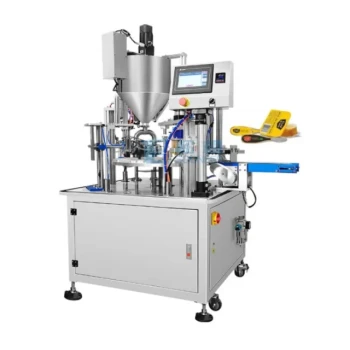
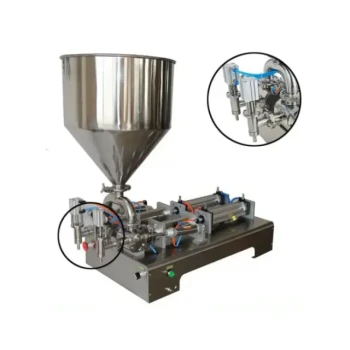
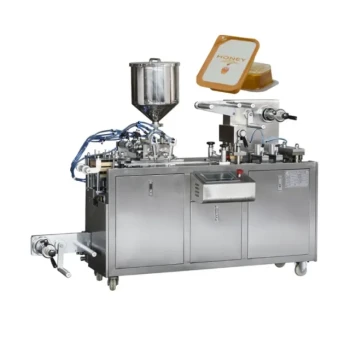
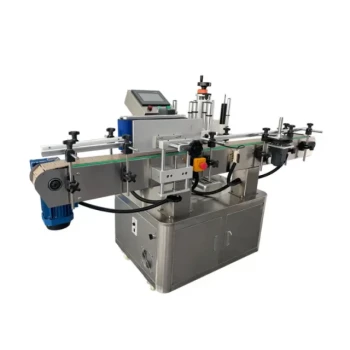
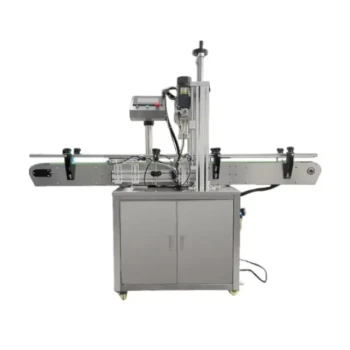
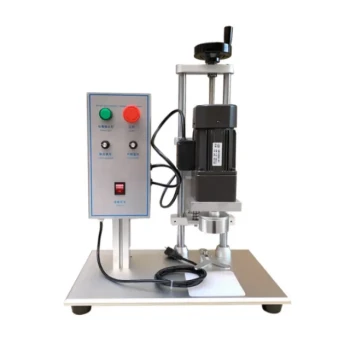
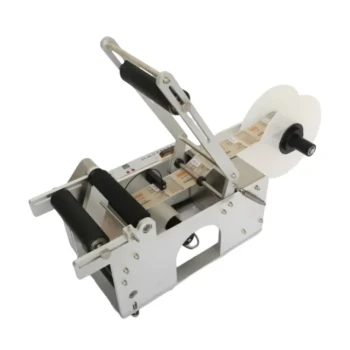
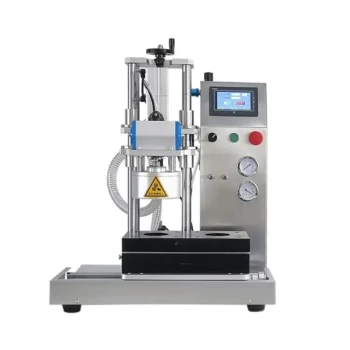
Automated filling and packaging machinery serves as the critical technological bridge that transforms stingless bee products from artisanal, small-batch goods into viable commercial commodities. Its primary role is to ensure rigorous hygienic safety by standardizing the bottling process, executing high-precision quantitative filling, and eliminating the risks of secondary contamination that are prevalent in manual operations.
The core value of this machinery lies in establishing the biosafety and product consistency required to build consumer trust. By automating the final stage of production, producers validate the authenticity of their product, unlocking the economic potential necessary to enter high-end retail, pharmaceutical, and cosmetic markets.
Ensuring Biosafety and Hygiene
The commercial success of stingless bee products relies heavily on proving that the product is safe for consumption and free from contaminants.
Preventing Secondary Contamination
Manual filling processes introduce multiple points of human contact, increasing the risk of bacterial or foreign matter contamination. Automated machinery utilizes hygienic sealing processes that isolate the product from the environment. This effectively prevents secondary contamination, a non-negotiable requirement for food safety certification.
Standardizing Biosafety Protocols
High-precision packaging equipment does more than just fill bottles; it supports rigorous biosafety assessment systems. By removing human variability from the equation, these machines ensure that every unit meets the same strict hygiene standards. This consistency is vital for maintaining the integrity of the product across large batches.
Enabling Commercial Scalability
To move beyond a cottage industry model, producers must transition from small-scale operations to large-scale supply chains.
Precision in Quantitative Filling
Automated machines offer high-precision quantitative filling that manual labor cannot match. This ensures that every package contains the exact volume specified on the label. Consistent product specifications are essential for inventory management and complying with weights and measures regulations in commercial retail.
Reducing Reliance on Intensive Labor
While manual processing restricts output to the speed of the human worker, automation decouples production volume from labor intensity. This allows operations to scale up significantly without a linear increase in workforce costs, facilitating the transition to mass-market supply.
Building Brand Authority
In the premium market for bee products, consumer perception is driven by trust in the product's origin and quality.
Enhancing Consumer Trust
Stingless bee honey is often a high-value commodity, making it susceptible to skepticism regarding authenticity. The use of advanced, standardized packaging technology signals a professional operation. This technological investment enhances consumer confidence in the product's origin and quality.
Entering High-End Markets
Basic manual packaging is often insufficient for regulated industries. The hygienic consistency provided by automation allows producers to meet the stringent entry requirements of the pharmaceutical and cosmetic sectors. This expands the market reach of stingless bee products beyond simple food retail.
Understanding the Operational Shifts
Adopting automated machinery requires a fundamental shift in how production is managed.
The Requirement for Standardization
Automation creates a dependency on uniformity. Unlike manual workers who can adapt to slight irregularities, machines require consistent inputs. This implies that upstream processes—from extraction to filtration—must also be standardized to ensure the filling machinery functions correctly.
Data-Driven Decision Making
The move toward automation integrates with broader management models. Producers must shift from intuition-based decisions to optimizing production scales based on management data. Successful automation requires analyzing product output and machine efficiency to maximize the return on investment.
Strategic Implementation for Your Goals
- If your primary focus is Market Entry: Prioritize machinery with advanced sealing capabilities to guarantee the hygienic safety and authenticity needed to build initial consumer trust.
- If your primary focus is Scaling Production: Focus on high-precision quantitative filling machines to ensure consistent specifications and reduce labor reliance as you increase volume.
- If your primary focus is Industry Diversification: Invest in equipment capable of meeting pharmaceutical-grade standards to enable expansion into medicinal or cosmetic applications.
Automating your packaging line is not just an operational upgrade; it is the legitimizing step that secures your product's place in the professional market.
Summary Table:
| Key Role | Primary Benefit | Strategic Impact |
|---|---|---|
| Biosafety & Hygiene | Prevents secondary contamination | Meets global food safety & pharma standards |
| Quantitative Filling | High-precision volume accuracy | Ensures regulatory compliance & consumer trust |
| Commercial Scalability | Decouples output from labor intensity | Enables transition from artisanal to mass-market |
| Market Expansion | Standardized professional packaging | Unlocks high-end cosmetic and medicinal sectors |
Scale Your Apiary Success with HONESTBEE Professional Solutions
Transitioning from artisanal production to a commercial powerhouse requires the right technological partner. At HONESTBEE, we specialize in empowering commercial apiaries and distributors with high-precision beekeeping machinery, including honey-filling machines and specialized hive-making equipment.
Our comprehensive wholesale portfolio covers the full spectrum of industry consumables and hardware designed to maximize your efficiency and market authority. Whether you are looking to enter high-end retail or scale your distribution network, we provide the tools to get you there.
Contact HONESTBEE Today to Optimize Your Production Line
References
- L.M. Jaramillo, Daniel van der Post. Traceability of Bees and their Products Using eDNA: Uncovering Biodiversity, Microbial Communities, and Bioeconomic Potential in Colombia. DOI: 10.3897/biss.9.179292
This article is also based on technical information from HonestBee Knowledge Base .
Related Products
- Precision Automated Packaging Turntable Honey Spoon Filling Sealing Packing Machine
- Fully Automatic Honey Filling Packaging Machine for Processing Line
- Automatic Single-Dose Snap & Squeeze Honey Sachets Packing Machine
- Pneumatic Paste Filling Machine Bottling Packaging Machine Single Nozzle
- Automatic Honey Filling and Filtering Machine for Beekeeping Bottle Filling
People Also Ask
- Why is the use of professional filling and sealing packaging machinery necessary for the production of high-value honey?
- What role do automated filling and packaging machines play in the honey supply chain? Scale Your Retail Distribution
- What are the benefits of automated honey filling and packaging? Scale Your Apiary with Industrial Precision
- What role do professional automated filling and packaging machines play in honey processing? Boost Efficiency & Value
- How do automated honey filling and packaging machines contribute to the market value of honey products? Maximize Your ROI