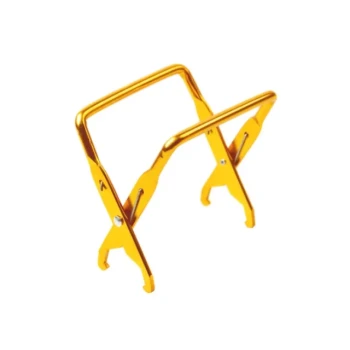
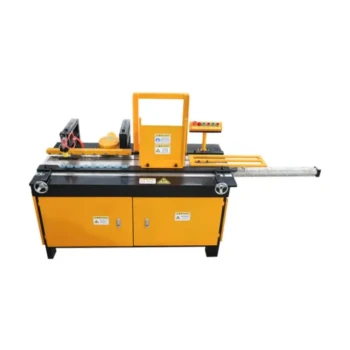
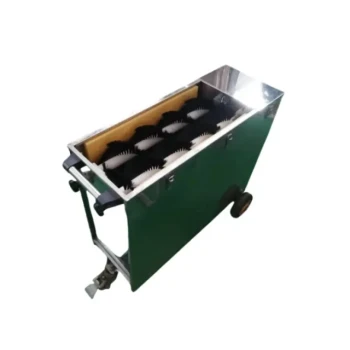
Efficient transport machinery acts as a critical buffer against environmental volatility. By utilizing tools such as industrial-grade vehicle-mounted transfer platforms, commercial beekeepers can rapidly relocate apiaries from drought-stricken areas to regions with better resources. This technological capacity transforms mobility into a primary defense mechanism, ensuring colony survival and production stability despite changing climate patterns.
The ability to move hives efficiently is no longer just an operational convenience; it is a fundamental adaptation strategy. Mechanization allows beekeepers to proactively chase favorable climates rather than passively suffering through local environmental degradation.
Mitigating Environmental Scarcity
Countering Drought Conditions
Climate change frequently manifests as prolonged droughts, which devastate local flora. Stationary apiaries in these zones face starvation as nectar sources dry up.
Efficient handling machinery enables the immediate evacuation of colonies. Beekeepers can identify regions where water is available and move massive numbers of hives before colony health permanently deteriorates.
Accessing Dispersed Nectar Sources
As temperature patterns shift, blooming cycles become unpredictable and nectar sources become more dispersed.
High-capacity transport systems allow access to mountainous or forested regions. These areas often retain moisture better than plains and offer abundant forage, but they are difficult to access without specialized transfer platforms that handle heavy loads quickly.
Enhancing Operational Mobility
Speed as a Proactive Strategy
In a changing climate, windows of opportunity are shrinking. A nectar flow may be shorter, or a heatwave may arrive faster than historical averages suggest.
Vehicle-mounted transfer platforms drastically reduce the time required to load and unload hives. This speed allows beekeepers to react to weather forecasts in real-time, moving stock to safety or abundance in hours rather than days.
Ensuring Continuous Production
The ultimate goal of mechanization in this context is stability. By removing the physical bottleneck of manual hive lifting, beekeepers can maintain a continuous production cycle.
When one location becomes unviable due to heat or lack of bloom, the operation simply migrates. This effectively decouples the business's success from the climate conditions of a single geographic point.
Understanding the Trade-offs
Capital Investment Risks
While machinery increases climate resilience, it introduces significant upfront costs.
Investing in industrial-grade platforms requires capital that could otherwise be spent on hive health or genetics. Small-scale operations must weigh whether the cost of mobility offsets the risk of potential climate-related losses.
Mechanical Reliance
shifting to a mechanized model creates a single point of failure.
If a transfer platform malfunctions during a critical transfer window—such as an approaching fire or storm—the apiary is more vulnerable than if it relied on smaller, manual teams. Maintenance logistics become as important as apiary management.
Making the Right Choice for Your Goal
To adapt effectively, you must match your machinery investment to your specific climate risks.
- If your primary focus is large-scale commercial production: Invest in high-capacity, vehicle-mounted platforms to maximize speed and access remote, high-altitude forage.
- If your primary focus is local risk management: Prioritize versatile, smaller-scale handling equipment that allows for short-range relocations without the overhead of heavy industrial transport.
True resilience lies in the ability to move faster than the changing environment around you.
Summary Table:
| Feature | Role in Climate Adaptation | Key Benefit |
|---|---|---|
| Vehicle-Mounted Platforms | Enables rapid relocation from drought zones | Ensures colony survival during heatwaves |
| High-Capacity Loading | Accesses remote, high-altitude nectar sources | Maintains production when plains are dry |
| Mechanical Speed | Reduces loading time from days to hours | Allows real-time response to weather shifts |
| Enhanced Mobility | Decouples business from local climate failure | Provides continuous production stability |
Secure Your Apiary’s Future with HONESTBEE
Climate volatility demands professional-grade solutions. At HONESTBEE, we specialize in empowering commercial apiaries and distributors with the tools needed to survive and thrive in a changing environment.
Our comprehensive wholesale portfolio includes:
- Specialized Machinery: Industrial-grade hive-making and honey-filling systems.
- Precision Equipment: Vehicle-mounted transfer platforms and heavy-duty beekeeping tools.
- Industry Consumables: A full spectrum of essentials for large-scale operations.
Whether you are scaling your commercial production or looking to supply the industry with high-performance hardware, HONESTBEE provides the reliability you need. Contact us today to optimize your operation and see how our machinery can enhance your climate resilience.
References
- Bojana Bekić, Slađan Rašić. Environmental threats to beekeeping in the Western Balkan countries - beekeepers’ perceptions. DOI: 10.1088/2515-7620/acd913
This article is also based on technical information from HonestBee Knowledge Base .
Related Products
- Plastic Transporting Bee Packages and Nuc Boxes for Beekeeping
- Durable Galvanized Steel Frame Grip
- Lightweight Aluminum Frame Grip
- Stainless Steel J Hook Hive Tool for Beekeeping
- Stainless Steel Queen Grafting Tool for Beekeeping and Bee Queen Grafting
People Also Ask
- What role do bee package boxes play in the commercial transport and expansion of honeybee colonies? - Logistic Essentials
- What are beekeeping boxes called? A Guide to Hive Bodies and Box Types
- How do standardized bee packages serve as a recovery mechanism for commercial beekeeping? Ensure Business Continuity
- What is the commercial value of using standardized bee packages? Drive Scalability in Large-Scale Apiaries
- Why is the timely introduction of high-quality bee packages critical? Save Your Apiary from Asian Hornet Invasions