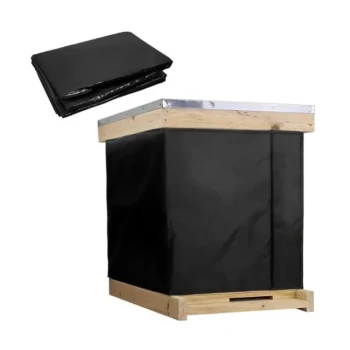
Hive temperature acts as a metabolic regulator for honey bees, directly dictating the rate at which they age. In moderate climates, bees maximize their energy for foraging and production, but in extreme heat or cold, they are forced to shift their biological focus to thermoregulation. This diversion of energy accelerates physiological wear and tear, leading to increased stress and a measurable reduction in the lifespan of individual bees.
The longevity of a honey bee is fundamentally tied to energy conservation; when the colony must constantly battle environmental extremes to maintain internal hive stability, the workforce suffers from premature aging due to metabolic exhaustion.
The Biological Cost of Thermoregulation
Energy Expenditure as a Finite Resource
Honey bees possess a finite amount of physiological energy. When environmental conditions are optimal, this energy is utilized for efficient foraging and brood rearing. However, deviations from the ideal temperature force bees to "spend" this energy on heating or cooling the hive rather than productive labor.
The Mechanism of Premature Aging
Thermoregulation is physically demanding work. Whether the bees are shivering to generate heat or fanning to cool the hive, this increased metabolic rate accelerates the aging process. The resulting physiological stress effectively burns through the bee's lifespan faster than natural foraging wear would.
Environmental Stressors and Colony Behavior
Heat-Induced Stress and Swarming
High internal temperatures do more than just age individual bees; they threaten the stability of the entire colony. When a hive suffers from extreme heat and poor air circulation, the colony experiences significant stress. This discomfort can trigger the instinct to swarm, causing a portion of the bees to leave in search of a more suitable environment.
The Role of Ventilation
To mitigate heat stress, airflow is critical. The use of screened bottom boards or upper entrances facilitates the necessary air exchange. By mechanically aiding ventilation, you reduce the workload on the bees, allowing them to conserve energy that would otherwise be spent on fanning.
Common Pitfalls in Hive Management
The Trade-off of Hive Inspections
While monitoring your colony is necessary, there is a distinct trade-off between gathering information and maintaining hive health. Every time a beekeeper opens a hive, the internal microclimate—which the bees have worked hard to regulate—is disrupted.
Disruption of Natural Climate Control
Excessive interference forces the colony to restart their thermoregulation efforts from scratch once the hive is closed. Frequent inspections can inadvertently decrease overall colony productivity and longevity by forcing the bees to repeatedly expend energy restoring their environment rather than maintaining their health.
Strategies for Supporting Colony Resilience
To maximize the lifespan of your bees, you must minimize their need to thermoregulate.
- If your primary focus is Reducing Heat Stress: Provide a clean, consistent water source and ensure the hive has shade during peak sunlight hours to lower the cooling burden.
- If your primary focus is Preventing Swarming: Implement passive ventilation strategies, such as screened bottom boards, to maintain airflow without forcing bees to overexert themselves.
- If your primary focus is Colony Productivity: Strictly limit the frequency of hive inspections to preserve the internal climate and prevent unnecessary energy expenditure.
By acting as a steward of the hive's environment rather than just a manager of its insects, you allow the colony to thrive on its own energy reserves.
Summary Table:
| Factor | Biological Impact | Energy Usage | Management Solution |
|---|---|---|---|
| Optimal Temp | Maximum Longevity | Low (Focus on production) | Proper site selection & shade |
| Extreme Heat | Fanning & Stress | High (Metabolic exhaustion) | Passive ventilation & water source |
| Extreme Cold | Shivering & Aging | High (Fuel consumption) | Proper insulation & windbreaks |
| Frequent Inspection | Microclimate disruption | Repeated recovery cost | Reduce opening frequency |
Maximize Your Colony's Longevity with HONESTBEE
Maintaining the perfect hive microclimate is essential for the health and productivity of your bees. At HONESTBEE, we specialize in supporting commercial apiaries and distributors with high-performance beekeeping tools and machinery designed to reduce metabolic stress on your colonies.
From advanced hive-making machines that ensure precision insulation to specialized ventilation hardware, our comprehensive wholesale offering provides everything you need to scale your operations efficiently. Whether you are looking for industrial-grade honey-filling equipment or essential consumables, we deliver the quality and reliability your business demands.
Empower your beekeeping business with professional-grade solutions.
Contact HONESTBEE Today to Discuss Your Wholesale Needs
Related Products
- Professional Reversible Beehive Hive Entrance
- Steel Round Disc Entrance Reducer for Flexzion Bee Hive Nuc Box Gate
- Stainless Steel Round Beehive Air Vents for Ventilation
- Durable Plastic Interlocking Hive Connector for Beekeeping
- Professional Insulated Winter Hive Wrap for Beekeeping
People Also Ask
- Where is the hive entrance typically located? Optimize Your Hive's Health and Honey Production
- What role does the size of the entrance play in hive ventilation? Master Beehive Climate Control
- What roles does the hive entrance (piquera) play in beehive management and colony health? Essential Guide for Pro Apiaries
- What are the primary advantages of providing a smaller entrance for a beehive? Boost Defense and Winter Survival
- Why adjust beehive entrance size for humidity? Boost Honey Ripening and Varroa Control in Commercial Apiaries