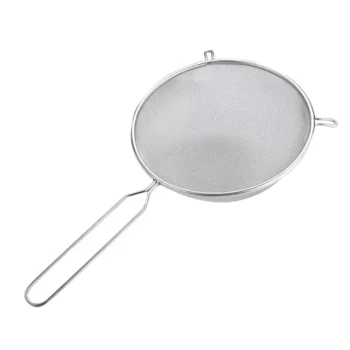
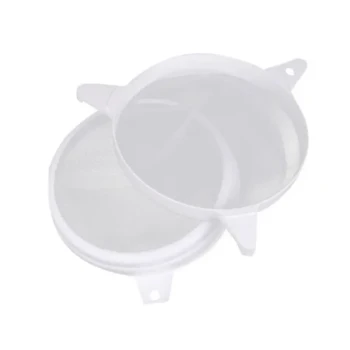
Honey filtering equipment serves as the decisive technical bridge between raw harvest and a commercially viable product. Its primary role is to mechanically remove physical impurities—such as beeswax residue and larvae fragments—transforming crude honey into the refined, consistent substance required for high-end retail and international export.
The Core Insight While crude honey is acceptable for local, informal markets, multi-stage filtration is the prerequisite for scaling a honey business. It acts as the primary quality control mechanism that ensures product safety, visual clarity, and the standardization necessary to secure export contracts and shelf space in major retailers.
The Transformation from Raw to Retail
Eliminating Physical Impurities
Raw honey naturally contains debris from the hive, including wax, propolis, and biological matter. Filtering equipment provides the mechanical purification needed to strip these elements without altering the honey's fundamental nature. This step is essential for meeting basic food hygiene regulations.
Standardizing Visual Appeal
Consumers in sophisticated markets associate clarity with quality. By removing particulate matter, filtering machines significantly enhance the visual presentation of the honey. This aesthetic improvement is often the differentiating factor between a product that sells at a premium and one that remains a commodity.
Ensuring Product Consistency
Commercial buyers demand that every batch looks and tastes the same. High-precision processing equipment transforms variable raw harvests into a standardized commercial product. This consistency is vital for building brand reliability and securing long-term distribution agreements.
Meeting Strict Export Requirements
Compliance with International Standards
Global markets, particularly in the EU and US, enforce rigorous physicochemical parameters. Integrated filtration systems work alongside extraction machinery to ensure the final product meets specific criteria for purity and maturity. Without this processing capability, honey is often rejected at the border or devalued to industrial grade.
Risk Mitigation and Batch Tracking
Advanced filtering lines facilitate strict physical isolation and batch tracking. This is particularly critical for markets with zero-tolerance policies regarding Genetically Modified Organisms (GMOs). By preventing cross-contamination of batches containing unauthorized transgenic pollen, this equipment mitigates the risk of trade rejection.
Preserving Bio-Active Content
While the goal is purity, the process must be delicate. Professional filtration systems are designed to remove contaminants while preserving essential nutritional components. This balance ensures the honey retains the bio-active properties that justify higher export prices.
Understanding the Trade-offs
The Balance of Filtration Intensity
There is a critical distinction between necessary filtration and over-processing. While you must remove impurities to meet commercial standards, aggressive ultra-filtration can strip away all pollen, which is often used to verify the honey's botanical and geographical origin.
Investment vs. Market Access
Implementing multi-stage, high-precision filtering requires significant capital investment compared to simple straining methods. However, this cost is the entry fee for high-value markets. Producers must weigh the upfront cost of equipment against the long-term limitation of being restricted to local, lower-margin sales channels.
Making the Right Choice for Your Goal
To align your processing capabilities with your business objectives, consider the following:
- If your primary focus is Local Direct Sales: Prioritize basic filtration that removes visible debris to improve visual appeal while keeping costs low.
- If your primary focus is High-End Retail or Export: Invest in multi-stage, high-precision filtration systems that ensure batch consistency and capable of strict isolation to avoid contamination risks.
- If your primary focus is Brand Reliability: Ensure your equipment allows for precise batch tracking to safeguard against recalls and verify product origin.
Standardized filtration is not just about cleaning honey; it is the operational lever that upgrades a local commodity into a globally tradable asset.
Summary Table:
| Feature | Role in Quality & Export Standards | Business Impact |
|---|---|---|
| Impurity Removal | Eliminates wax, larvae, and hive debris for food safety. | Meets basic hygiene regulations. |
| Visual Clarity | Provides high transparency and aesthetic appeal. | Command premium retail pricing. |
| Consistency | Ensures uniform appearance and texture across batches. | Secures long-term distribution deals. |
| Purity Control | Prevents cross-contamination and removes GMO risks. | Mitigates trade rejection at borders. |
| Bio-Active Retention | Balances filtration to keep pollen and nutrients intact. | Verifies botanical/geographical origin. |
Elevate Your Honey to Global Standards with HONESTBEE
Transitioning from raw harvest to high-value export requires precision. At HONESTBEE, we empower commercial apiaries and international distributors with professional-grade honey processing solutions. From advanced multi-stage filtering machines to high-capacity honey-filling equipment and hive-making hardware, our comprehensive wholesale portfolio is designed to maximize your efficiency and market reach.
Ready to scale your production and secure premium export contracts? Contact our experts today to discover how our specialized beekeeping tools and machinery can transform your honey into a globally tradable asset.
References
- Thomas M. Carroll, Jim Kinsella. Livelihood improvement and smallholder beekeeping in Kenya: the unrealised potential. DOI: 10.1080/09614524.2013.781123
This article is also based on technical information from HonestBee Knowledge Base .
Related Products
- Electric Double Wall Honey Filtering Machine Purifier Equipment for Honey Processing Plant
- Professional Stainless Steel Honey Filtering Machine with Water Bath Heating for Beekeeping
- 0.5T Capacity Honey Dehumidifier Dryer with Vacuum Heating and Thickening Filtering Machine
- Honey Concentrating and Filtering Dehumidifier Machine 2T Capacity for Honey
- Professional Stainless Steel Honey Filter with Support Handle
People Also Ask
- What is the process of filtering honey? A Guide to Clean, Pure, and Market-Ready Honey
- What types of equipment are used in honey filtering? Build an Efficient System for Pure, Marketable Honey
- What is the overall importance of using the right equipment in honey filtering? Boost Quality & Marketability
- What role do professional honey harvesting and filtering equipment play in meeting honey market quality standards? Boost ROI
- What is a potential concern associated with filtering honey? Balancing Clarity and Pollen Preservation