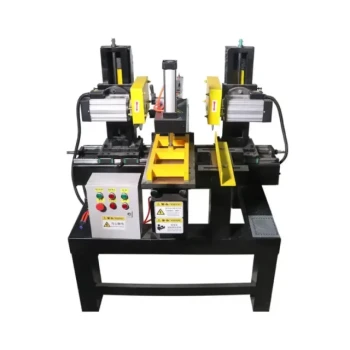
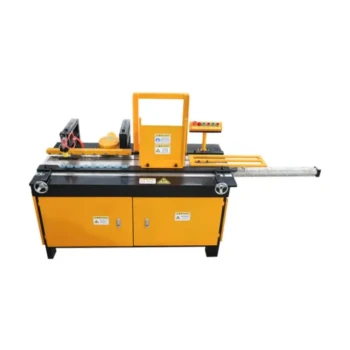
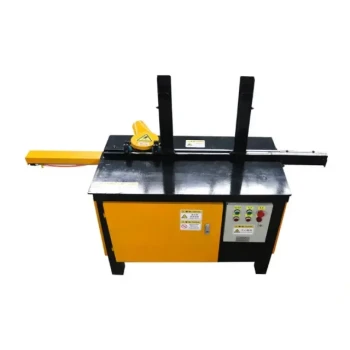
Industrial-grade beehive manufacturing machinery acts as the foundational catalyst for modern commercial beekeeping. It enables the standardized, mass production of hive structures using wood or composite materials, ensuring precise dimensions that are compatible with standard industry tools. By mechanizing the processing of these materials, this machinery significantly reduces the unit cost of infrastructure, providing the physical basis for professional beekeepers to rapidly expand their colony scales.
The core value of this machinery lies not just in production speed, but in absolute consistency. In a commercial environment, the ability to interchange any frame with any hive box is the key to operational efficiency, biosecurity, and scalable logistics.
The Strategic Impact on Commercial Operations
Achieving Total Hardware Interchangeability
The primary advantage of industrial machinery is the ability to produce components with high-precision specifications. In a large-scale apiary, interchangeability is non-negotiable.
When every frame and hive body is identical, complex management tasks such as colony splitting, merging, and pest inspections are streamlined. Beekeepers do not waste time fitting mismatched parts, significantly increasing labor efficiency and the overall management capacity of the enterprise.
Reducing Costs to Enable Scale
To compete with low-priced imports and manage tight margins, commercial operations rely on economies of scale. Industrial-grade machinery lowers the production cost per unit by automating the cutting, slotting, and assembly processes.
This reduction in infrastructure costs allows businesses to invest capital elsewhere, facilitating the rapid expansion of honeybee colony scales without incurring prohibitive overheads.
Ensuring Durability for Migratory Logistics
Commercial beekeeping often involves migratory practices, where hives are transported over long distances for pollination services. Mechanically produced hives feature superior structural stability compared to manual construction.
The precise assembly ensures better sealing and thermal insulation, which helps colonies survive varying climatic conditions and the physical stress of transport. This durability is essential for maintaining consistent pollination services and honey output.
Facilitating Downstream Automation
The role of manufacturing machinery extends to the harvest phase. Modern automated honey extraction machinery requires hives and frames to meet exact dimensional standards to function correctly.
By ensuring uniformity at the manufacturing stage, these machines prevent bottlenecks during extraction. This allows for a seamless workflow from the field to the bottling facility, further reducing labor costs.
Enhancing Biosecurity Standards
Standardized equipment is easier to clean, inspect, and manage, which is fundamental for maintaining biosecurity.
Uniform equipment allows for systematic rotation and sterilization of hive parts. This consistency helps minimize disease transmission between colonies and ensures that the physical environment meets the rigorous standards required for domestic breeding efficiency.
Understanding the Trade-offs
While industrial manufacturing offers immense benefits for scale, it introduces specific rigidities that operators must recognize.
High Initial Capital Expenditure
Implementing industrial-grade machinery requires a significant upfront investment. For smaller operations or cooperatives, the cost of the machinery itself can be a barrier to entry, making this approach viable only when the volume of production justifies the expense.
Standardization vs. Customization
The efficiency of these machines relies on strict adherence to standard dimensions (such as Langstroth specifications). This rigidity can be a disadvantage if local environmental conditions or specific bee subspecies require non-standard hive modifications or traditional cavity designs that industrial machines are not calibrated to produce.
Making the Right Choice for Your Goal
The decision to invest in or source from industrial-grade manufacturing depends on the specific trajectory of your beekeeping operation.
- If your primary focus is rapid expansion: Prioritize machinery that delivers the lowest unit cost through high-volume processing to maximize your infrastructure budget.
- If your primary focus is migratory pollination: Select manufacturing processes that emphasize structural stability and superior sealing to protect colonies during transport.
- If your primary focus is operational efficiency: Ensure the machinery guarantees strict dimensional precision to facilitate the seamless use of automated extraction tools and interchangeable frames.
By leveraging the precision and volume capabilities of industrial machinery, commercial beekeepers transform their apiaries from labor-intensive crafts into efficient, scalable enterprises.
Summary Table:
| Key Role | Primary Benefit | Impact on Commercial Scalability |
|---|---|---|
| Dimensional Precision | Total hardware interchangeability | Streamlines colony splitting, merging, and inspections |
| Automated Processing | Lower per-unit infrastructure costs | Enables rapid colony expansion with reduced overhead |
| Structural Stability | Durability for migratory logistics | Protects colonies during long-distance transport |
| Standardization | Facilitates downstream automation | Ensures frames fit automated honey extraction machinery |
| Uniform Design | Enhanced biosecurity standards | Simplifies sterilization and disease management |
Scale Your Apiary with HONESTBEE’s Professional Solutions
Transitioning from manual labor to an industrial-scale enterprise requires more than just tools—it requires a strategic partnership. HONESTBEE specializes in empowering commercial apiaries and distributors with the precision hardware needed for global competitiveness.
Our value to your business includes:
- Comprehensive Wholesale Offering: A complete spectrum of beekeeping tools and essential industry consumables.
- Advanced Machinery: High-precision hive-making machines and honey-filling systems designed for absolute consistency.
- End-to-End Support: From specialized hardware to honey-themed cultural merchandise, we provide everything needed to build a professional brand.
Ready to maximize your operational efficiency and minimize unit costs?
Contact HONESTBEE today for a customized equipment consultation.
References
- Richard M. Jones. European beekeeping in the 21st century: strengths, weaknesses, opportunities, threats. DOI: 10.1080/0005772x.2004.11099637
This article is also based on technical information from HonestBee Knowledge Base .
Related Products
- High-Efficiency Pneumatic Bee Hive Making Machine for Rapid Box Assembly
- HONESTBEE Top Bar & Bottom Bar Forming Machine | Bee Frame Machine
- Automatic High-Speed Bee Hive Box Stapling Machine
- Mini Desktop Bee Hive Frame Forming Making Machine
- Beehive Machine Double End Saw for Precision Hive Component Manufacturing
People Also Ask
- How does the introduction of professional beehive-making machinery benefit sustainable beekeeping? Scale Your Apiary
- Why is specialized beehive-making machinery critical for low-defense breeding? Enhance Selection with Precision Tools
- How does the introduction of specialized beehive making machinery contribute to increasing the scale of regional beekeeping industries?
- What is the importance of specialized beehive making machinery in a circular bio-economy? Build Local Sustainability
- Why is specialized beehive-making machinery essential? Scale Your Apiary with Precision Industrial Standards