Professional honey processing equipment acts as the primary defense against environmental degradation. It effectively seals the product against air and moisture exposure, directly preventing fermentation and spoilage. By maintaining the honey's natural color and purity, these tools are essential for securing higher market prices and meeting the rigorous quality standards demanded by commercial distributors and specialized industries.
Core Takeaway: The value of professional equipment extends beyond simple packaging; it stabilizes the honey's chemical and biological state, transforming a raw agricultural harvest into a consistent, high-value commercial asset that withstands complex supply chains.
The Science of Preservation
The primary role of this equipment is to maintain the delicate chemical balance of the honey from the hive to the jar.
Controlling Moisture and Fermentation
Honey is naturally hygroscopic, meaning it absorbs water from the air. Professional storage and filling units provide high-barrier isolation to prevent this moisture absorption.
As noted in the primary reference, preventing moisture ingress is the critical step in stopping fermentation. If water content rises, dormant yeasts become active, souring the honey and rendering it unsellable.
Retaining Bioactive Compounds
Beyond avoiding spoilage, professional equipment utilizes precise temperature controls to protect heat-sensitive elements.
This ensures the retention of enzymes like diastase and bioactive substances like flavonoids. Preserving these components is necessary to meet strict regulatory requirements for biological activity, particularly for premium or medical-grade honey markets.
Preventing Oxidation
Exposure to oxygen degrades the quality of honey over time, darkening its color and altering its flavor profile.
Industrial-grade filling systems use closed-loop operations to isolate the honey from external air during processing. This prevents oxidation, ensuring the product maintains the visual appeal and taste profile expected by consumers.
Ensuring Commercial Viability
For a producer, the equipment serves as a guarantee of consistency and safety, which directly dictates the product's financial value.
Standardization and Consistency
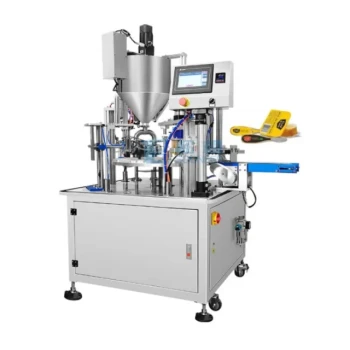
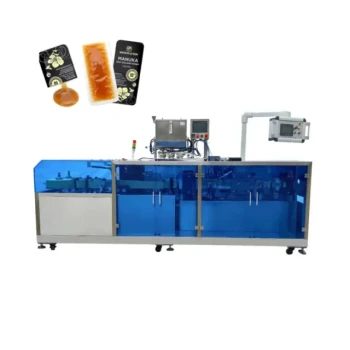
Manual filling often leads to variances that are unacceptable in retail environments. Automated equipment ensures high-precision volume control, guaranteeing that every unit meets labeled weight specifications.
This consistency eliminates quality stratification—where different jars from the same batch look or taste different. Uniformity is a prerequisite for stabilizing market pricing and building brand trust.
Eliminating Contamination Risks
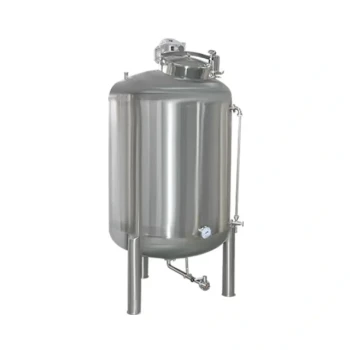
Professional equipment utilizes food-grade stainless steel for pump bodies and pipelines to create a sterile filling environment.
This machinery prevents "secondary contamination," which occurs when external pollutants enter the honey during the packaging phase. For organic honey specifically, these high-hygiene standards are mandatory to maintain certification and enter premium retail channels.
Understanding the Trade-offs
While professional equipment elevates product quality, it introduces new operational challenges that must be managed.
Complexity and Maintenance
Transitioning to automated, closed-loop systems requires a higher level of technical expertise to operate and maintain.
If the equipment is not cleaned according to strict protocols, the complex system of pumps and valves can become a source of contamination itself. Regular maintenance schedules are non-negotiable to prevent machinery breakdown during critical harvest windows.
Capital Investment vs. Volume
The cost of professional-grade, temperature-controlled, and automated machinery is significant.
For very small-scale hobbyists, this investment may outweigh the marginal increase in per-jar value. The equipment is most effective when the volume of production justifies the need for standardized physicochemical indicators required by bulk distributors or industrial buyers.
Making the Right Choice for Your Goal
Selecting the right equipment depends on your specific market position and production targets.
- If your primary focus is entering the organic or medical market: Prioritize equipment with food-grade stainless steel components and precise temperature controls to maximize enzyme retention and ensure zero contamination.
- If your primary focus is large-scale commercial distribution: Focus on automated filling systems with high-precision dosage control to ensure batch consistency and meet strict weight regulations.
Investment in professional processing gear is not merely an operational cost; it is an insurance policy for your product's biological integrity and market value.
Summary Table:
| Preservation Factor | Professional Equipment Role | Commercial Impact |
|---|---|---|
| Moisture Control | High-barrier isolation to prevent hygroscopic absorption | Prevents fermentation and spoilage |
| Bioactive Retention | Precise temperature control for enzymes and flavonoids | Meets medical-grade and premium standards |
| Oxidation Prevention | Closed-loop operations to isolate honey from air | Maintains natural color and flavor profile |
| Consistency | High-precision automated volume control | Eliminates stratification and ensures brand trust |
| Hygiene | Food-grade stainless steel & sterile environments | Mandatory for organic and export certifications |
Elevate Your Honey Production with HONESTBEE
As a professional beekeeping partner, HONESTBEE specializes in serving commercial apiaries and distributors with high-performance equipment. Whether you need specialized honey-filling machines to ensure dosage precision or industrial-grade storage solutions to preserve biological integrity, we provide the full spectrum of tools and machinery to scale your operation.
Our value to your business:
- Comprehensive Wholesale Offering: A single source for hardware, hive-making machinery, and essential consumables.
- Quality Insurance: Safeguard your honey's enzymes and purity to command premium market prices.
- Global Distribution Expertise: Reliable equipment designed to help you meet rigorous international quality standards.
Ready to transform your raw harvest into a high-value commercial asset? Contact HONESTBEE today to discuss our wholesale machinery and customized solutions.
References
- A. Abdu, Girma Gudesho. Knowledge, Attitude and Practice of Bee Keeping in Nadhi-Nono District, Illubabor Zone, Oromia Regional State, Ethiopia. DOI: 10.11648/j.ab.20251302.11
This article is also based on technical information from HonestBee Knowledge Base .
Related Products
- Small Honey Filling Machine Sachet Packing Equipment Single Nozzle
- Double Nozzle Small Honey Filling Machine Honey Sachet Packing Packaging Equipment
- Stainless Steel Honey Storage and Settling Tank with Double Strainer
- Professional Honey Storage Tank with Agitation System
- Automatic Honey Filling and Filtering Machine for Beekeeping Bottle Filling
People Also Ask
- Why is high-performance honey filling and packaging equipment essential? Boost Efficiency & Brand Value
- Why is precision temperature control necessary for red honey filling? Preserve Amorpha fruticosa Color and Aroma
- Why is high-precision honey filling equipment necessary? Secure the medicinal value and ROI of stingless bee honey.
- How does specialized honey filling equipment contribute to honey distribution? Scale Your Wholesale Efficiency Today
- What role does precision filling equipment play in cost control? Maximize Honey Profits & Market Growth