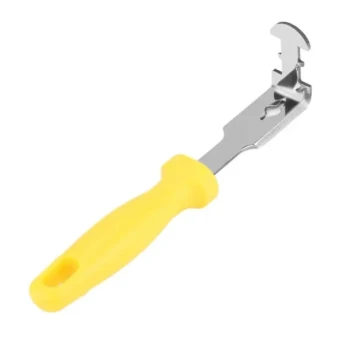
Professional capture and transport tools act as the critical infrastructure for accessing and preserving urban honeybee populations located outside of managed apiaries. These specialized instruments—ranging from bee vacuums to bait boxes—enable the safe, non-destructive extraction of live colonies from difficult architectural features like building crevices, ensuring that researchers can secure intact samples for necessary laboratory work.
Core Takeaway Urban environments present unique physical barriers that standard apiary equipment cannot navigate. Professional capture tools are indispensable because they allow for the extraction of live specimens from complex urban structures, guaranteeing the sample integrity required for valid health assessments and genetic analysis.
Overcoming Urban Infrastructure Barriers
Navigating Complex Environments
Urban honeybee populations often inhabit hard-to-reach locations rather than standard hive boxes. Colonies frequently establish themselves in tree hollows or deep within building crevices.
Specialized Extraction Equipment
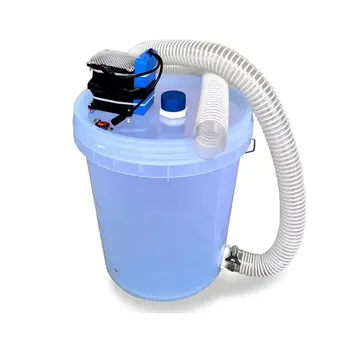
To access these colonies, professionals rely on specialized bee vacuums and bait boxes. These tools are designed to extract bees from narrow or irregular spaces where manual removal is impossible.
Efficient Colony Transfer
Tools like transport cages allow for the secure containment of the colony once extracted. This ensures the bees can be moved through a city environment safely, without risk to the public or the colony itself.
Ensuring Data Integrity Through Safety
The Necessity of Live Samples
Effective monitoring requires more than just counting bees; it often requires living specimens. Professional tools focus on the safe collection of the workforce and the queen to maintain colony viability.
Preserving the Queen
Capturing the queen unharmed is essential for longitudinal studies or relocation efforts. Specialized extraction methods prioritize her safety to ensure the colony remains a cohesive, functioning unit after transport.
Enabling Advanced Analysis
Health assessments and genetic analysis depend heavily on the physical condition of the specimen. By delivering intact samples, these tools prevent damage that could skew data regarding diseases, parasites, or genetic purity.
Understanding the Trade-offs
Equipment Limitations
While tools like bee vacuums are designed for safety, they must be calibrated correctly. Excessive suction or improper handling during extraction can still cause physical trauma to the bees or induce lethal stress.
The Factor of Disturbance
Even with the best tools, extraction is an invasive process. The vibration and disruption involved in removing a colony from a building crevice will temporarily alter colony behavior, which is a variable that must be accounted for in immediate monitoring data.
Making the Right Choice for Your Goal
To maximize the effectiveness of your monitoring program, select tools based on your specific analytical needs:
- If your primary focus is genetic preservation: Prioritize bait boxes and manual transfer methods to ensure the absolute safety and survival of the queen for breeding or conservation.
- If your primary focus is broad health assessments: Utilize adjustable bee vacuums to efficiently collect large, representative samples of the worker population from hard-to-access structural voids.
By matching the extraction method to the environment, you ensure that the physical constraints of the city do not compromise the quality of your biological data.
Summary Table:
| Tool Type | Primary Function | Key Benefit for Monitoring |
|---|---|---|
| Specialized Bee Vacuums | Extraction from crevices | Collects large samples from hard-to-reach urban voids |
| Bait Boxes | Non-invasive capture | Ensures queen safety and colony integrity for genetic studies |
| Transport Cages | Secure containment | Safely moves live specimens through cities without public risk |
| Baiting Systems | Population luring | Enables long-term tracking of wild urban bee populations |
Elevate Your Urban Beekeeping Operations with HONESTBEE
At HONESTBEE, we understand the unique challenges faced by commercial apiaries and distributors in navigating complex urban environments. Whether you are managing professional honeybee monitoring programs or supplying large-scale operations, our comprehensive wholesale portfolio has you covered.
From specialized bee capture tools and hive-making machinery to honey-filling equipment and industry consumables, we provide the high-quality hardware needed to ensure data integrity and colony health. Partner with HONESTBEE to access professional-grade equipment tailored for commercial success.
Ready to scale your inventory or upgrade your equipment?
Contact Us Today to Discuss Wholesale Solutions
References
- Jovana Bila Dubaić, Aleksandar Ćetković. Unprecedented Density and Persistence of Feral Honey Bees in Urban Environments of a Large SE-European City (Belgrade, Serbia). DOI: 10.3390/insects12121127
This article is also based on technical information from HonestBee Knowledge Base .
Related Products
- Portable Electric Bee Vacuum with Lithium Battery and 20L Collection Bucket
- Commercial Grade Vertical Electric Bee Sweeper for Bee Removal
- Double Row Artificial Fiber Bee Brush for Beekeeping
- Stainless Steel Round Beehive Air Vents for Ventilation
- High Performance Cordless Electric Bee Shaker for Beekeeping
People Also Ask
- What are the advantages of using portable bee vacuums for sampling honey bees? Optimize Nosema Detection Efficiency
- Who is qualified to use a bee vacuum? Essential Safety and Experience Requirements for Effective Bee Relocation
- What potential problems can occur when using a bee vacuum? Prevent Colony Mortality and Ensure Safe Bee Removal
- What are the benefits of using a bee vacuum? Safely Remove & Preserve Honey Bee Colonies
- Why do people use bee vacuums? A Humane Solution for Live Bee Removal