Information labels serve as the primary interface between the honey producer and the consumer, functioning simultaneously as a data carrier and a visual communication tool. At a surface level, they deliver essential product details—such as ingredient lists, nutritional values, geographic origin, and shelf life—while playing a deeper role in reducing information asymmetry to influence purchasing decisions.
Information labels are not merely decorative; they are a multi-layered compliance and trust system. They validate product authenticity through traceability data, ensure regulatory adherence, and manage consumer expectations regarding natural processes like crystallization.
The Functional Pillars of Honey Labeling
Communicating Critical Product Data
The primary role of the label is to act as a carrier for essential data. This includes fundamental metrics such as nutritional values, reducing sugar content, and specific health-promoting properties. By presenting this data clearly, the label transforms the physical jar into an informational asset.
Enhancing Consumer Transparency
High-clarity labeling directly addresses information asymmetry. Consumers often lack knowledge about honey production; the label bridges this gap by explaining geographic origins and expected crystallization times. This prevents consumers from mistaking natural crystallization for spoilage, thereby protecting the brand's reputation.
Ensuring Regulatory Compliance
Labels are the enforcement point for regulatory standards, such as the Federal Inspection Service (SIF). During the packaging process, automated systems record specific physical-chemical indicators (like moisture levels) directly onto the label. This ensures that every batch meets legal safety and quality requirements before reaching the market.
Validating Authenticity and Origin
Labels serve as a terminal for anti-counterfeiting strategies. By integrating technologies like encrypted QR codes or RFID chips, labels connect the physical product to digital regulatory databases. This allows consumers to verify official quality inspection reports and confirm the product's "full-link" journey from the apiary to the shelf.
Differentiating Through Geography
Labels are the designated space for communicating geographical uniqueness. They display official quality logos, such as Protected Designation of Origin (PDO) or Protected Geographical Indication (PGI) marks. These identifiers communicate traditional craftsmanship and justify premium positioning in competitive markets.
The Role of Automation in Labeling Integrity
Precision and Standardization
Automated labeling stations ensure that information is applied with speed, accuracy, and consistency. Unlike manual application, automated systems guarantee that critical data—such as barcodes and instructions—remain legible and professionally aligned, which significantly improves shelf appeal.
Real-Time Data Integration
Advanced filling and labeling systems capture data from the sterile filling environment. They simultaneously record batch-specific variables onto the label. This creates a closed loop of accountability, ensuring the label accurately reflects the specific conditions of the honey inside the container.
Common Pitfalls in Labeling Strategy
Information Overload vs. Clarity
A common error is overcrowding the label with excessive data, which obscures the critical decision-making information. While technical compliance is mandatory, the label must remain visually scannable. If a consumer cannot instantly identify the origin or type of honey, the label has failed its visual communication role.
Static Labeling in a Dynamic Process
Failing to utilize dynamic printing for batch-specific data creates traceability gaps. Relying solely on pre-printed, generic labels removes the ability to track specific batches back to the apiary. This creates liability issues if a safety recall or quality audit is required.
Making the Right Choice for Your Goal
To maximize the effectiveness of your labeling process, align your strategy with your primary business objective:
- If your primary focus is Consumer Trust: Prioritize labels that explain natural processes like crystallization and integrate QR codes for real-time authenticity verification.
- If your primary focus is Regulatory Compliance: Ensure your labeling equipment can dynamically print batch-specific physical-chemical indicators to meet SIF or local inspection standards.
- If your primary focus is Market Differentiation: Invest in high-resolution application systems that highlight geographical certifications (PDO/PGI) to establish premium brand recognition.
Effective labeling turns a generic commodity into a trusted, traceable, and compliant consumer product.
Summary Table:
| Labeling Function | Key Information Provided | Strategic Value |
|---|---|---|
| Data Carrier | Nutritional values, ingredients, shelf life | Ensures consumer informed decision-making |
| Compliance | SIF marks, moisture levels, batch numbers | Meets legal safety and quality standards |
| Traceability | QR codes, RFID, geographic origin | Validates authenticity and prevents fraud |
| Transparency | Crystallization guides, origin data | Reduces information asymmetry and builds trust |
| Differentiation | PDO/PGI logos, premium branding | Justifies premium pricing in competitive markets |
Optimize Your Honey Production with HONESTBEE
Elevate your commercial apiary with precision labeling and packaging solutions. HONESTBEE provides professional-grade machinery—from automated honey-filling machines to high-speed labeling systems—designed to ensure your products are compliant, traceable, and market-ready.
Whether you are a distributor or a large-scale producer, our comprehensive wholesale offering covers all beekeeping tools, machinery, and honey-themed merchandise.
Ready to scale your operation? Contact us today to discover how our specialized equipment can enhance your brand integrity and operational efficiency.
References
- Adam Roman, Katarzyna Roman. Factors influencing consumer behavior relating to the purchase of honey part 2. Product quality and packaging. DOI: 10.2478/jas-2013-0027
This article is also based on technical information from HonestBee Knowledge Base .
Related Products
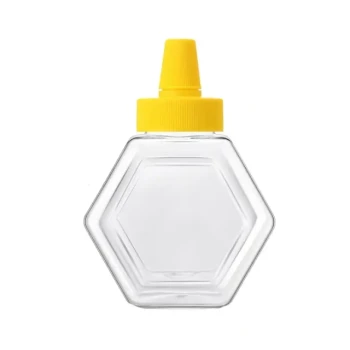
- Hexagonal Squeeze Honey Bottle with No Drip Lid
- Classic Beehive Honey Bottle Jar with Squeeze Dispenser Lid
- Classic Honey Bear Jars with Flip Top Dispensing Cap for Liquid Sweeteners
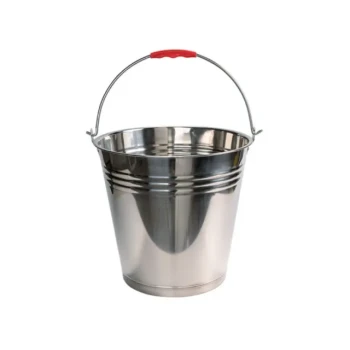
- Premium Stainless Steel Honey Tank Bucket Pail with Reinforced Handle and Polished Finish
- Modern Square Glass Honey Jar with Twist Off Lid
People Also Ask
- What are the benefits of squeeze bottles for honey packaging? Unlock Mess-Free Convenience & Control
- How do honey bottles contribute to the preservation of honey products? Secure Quality and Commercial Value
- What are the features of honey bottles? Design for Convenience & Long-Term Preservation
- How should honey bottles be prepared before pouring honey into them? The #1 Rule for Honey Longevity
- What are the features and benefits of using honey bottles for packaging? Optimize Preservation and Consumer Experience