Fall preparation is the single most critical factor in determining whether a honeybee colony survives the winter or collapses. To prepare your hives, you must minimize unused internal space to conserve heat and provide supplemental heavy sugar syrup to ensure adequate food stores before temperatures consistently drop below 50°F.
Winter survival is a function of thermal efficiency and caloric reserves. Your goal is to configure the hive so bees expend minimal energy heating their cluster while ensuring they have accessible, high-energy fuel to generate that heat.
Managing Hive Physics and Volume
Minimizing Internal Space
The primary physiological challenge for a winter cluster is maintaining core temperature. You must reduce the physical volume of the hive to help the bees maintain heat more efficiently. Remove empty supers and consolidate the colony into the smallest configuration possible that still accommodates the bees and their food.
The 50-Degree Threshold
Timing is dictated by temperature. In regions where temperatures drop below 50 degrees Fahrenheit, bees stop foraging and form a winter cluster inside the hive. All management tasks, particularly feeding and hive configuration, must be completed before this temperature threshold becomes the daily norm.
Strategic Feeding and Resource Management
The "Lift Test" for Assessment
Before feeding, assess the colony's current reserves using the lift test. Attempt to lift the back handle of the lowest hive body with one hand to gauge its weight. A hive that is difficult to tilt forward indicates sufficient stores, while a hive that lifts easily signals an urgent need for supplemental feeding.
The Correct Syrup Ratio
If reserves are low, you must feed the colony a 2:1 sugar syrup (two parts sugar to one part water). Unlike the lighter syrup used in spring, this heavy mixture contains less water, requiring less energy for the bees to evaporate and process before winter sets in.
Timing Your Feeding
Begin feeding in late summer or early autumn, typically August or September. This provides the bees with sufficient time to process the syrup and cap it in the combs for long-term storage before the cold inhibits their ability to cure the liquid.
Protection Against Elements and Pests
Reducing Entrances
As cold weather approaches, you must reduce the size of the hive entrance. This serves a dual purpose: it helps maintain internal thermal stability by reducing drafts and prevents pests, such as mice, from entering the warm hive to nest during the winter.
Moisture and Insulation
While heat is vital, moisture is often the silent killer of winter colonies. Ensure hives are well-insulated to retain warmth but properly ventilated to allow metabolic moisture to escape. Cold water dripping back onto the cluster from condensation is often fatal.
Common Pitfalls to Avoid
Feeding Too Late
One of the most dangerous mistakes is feeding liquid syrup after freezing temperatures arrive. If the weather is too cold, bees cannot evaporate the moisture from the syrup, leading to unsealed food stores that can ferment or cause dysentery.
Over-Insulation Without Ventilation
While insulating the hive is important in cold climates, sealing it too tightly traps moisture. Ventilation is mandatory; a hive that is warm but wet will likely perish, whereas a dry colony can withstand significantly lower temperatures.
Making the Right Choice for Your Goal
If your primary focus is Food Security:
- Prioritize the "lift test" weekly in early fall and aggressively feed 2:1 syrup until the hive feels heavy and difficult to tilt.
If your primary focus is Thermal Efficiency:
- Remove all empty supers immediately and install entrance reducers to minimize the volume of air the cluster must heat.
If your primary focus is Pest Prevention:
- Install mouse guards and entrance reducers as soon as the nectar flow stops to prevent rodents from establishing winter nests inside the hive.
Winter success is earned in the fall; a heavy, compact, and dry hive is a hive that survives.
Summary Table:
| Preparation Category | Action Required | Key Benefit |
|---|---|---|
| Space Management | Remove empty supers & consolidate | Improves thermal efficiency of the cluster |
| Feeding | Provide 2:1 heavy sugar syrup | Builds necessary caloric reserves for winter |
| Entrances | Install reducers and mouse guards | Prevents heat loss and excludes winter pests |
| Ventilation | Ensure upper moisture escape | Prevents fatal condensation dripping on bees |
| Timing | Complete before temps hit 50°F | Ensures bees can process syrup before clustering |
Secure Your Apiary’s Future with HONESTBEE
Winter survival is the ultimate test for any beekeeping operation. At HONESTBEE, we specialize in supporting commercial apiaries and distributors with the high-quality tools and machinery needed to prepare for the season. From specialized hive-making and honey-filling machines to a full spectrum of beekeeping equipment and essential consumables, our wholesale solutions are designed to enhance your productivity and protect your colonies.
Whether you are scaling your commercial operation or stocking a distribution network, our comprehensive portfolio offers the durability and innovation you need to succeed.
Ready to upgrade your equipment? Contact us today to discuss how our professional-grade beekeeping solutions can benefit your business!
Related Products
- Durable Plastic Interlocking Hive Connector for Beekeeping
- Professional Large-Format Hive Number Set for Beekeeping
- Durable Plastic Hive Number Set for Beekeeping
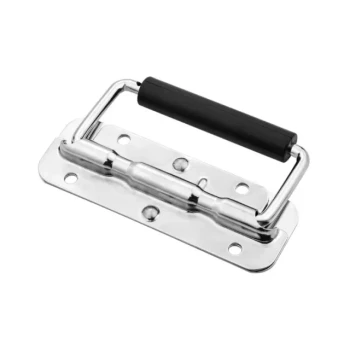
- Premium Comfort Grip Spring-Loaded Hive Handles
- Stainless Steel Round Beehive Air Vents for Ventilation
People Also Ask
- How do plastic bee hives compare to wooden hives in handling? Reduce Strain & Boost Efficiency
- Are plastic bee hives any good? Unlock Durability & Efficiency for Your Apiary
- Under what circumstance are beehive connectors particularly beneficial? Optimize Handling for Full Beehive Attachments
- Are plastic bee hives good? Durable, Low-Maintenance Hives for Modern Apiaries
- What is the advantage of using the beehive connector when handling full attachments? Achieve Safe and Efficient Hive Transport