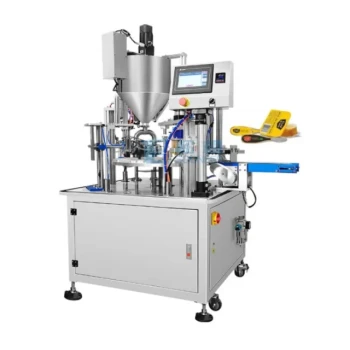
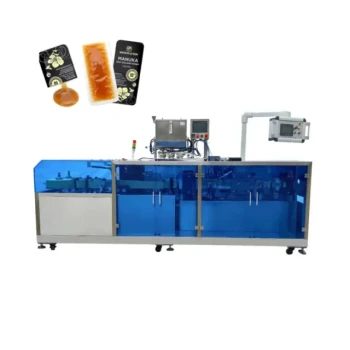
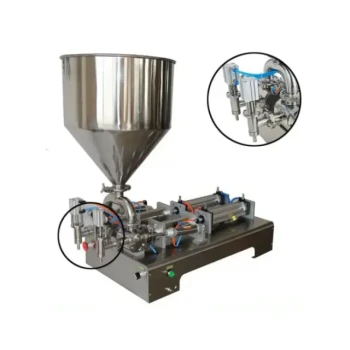
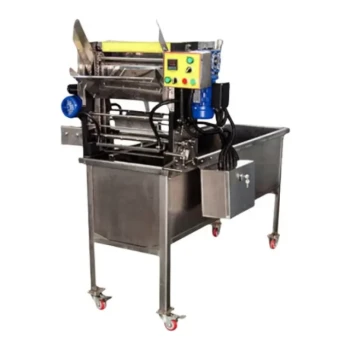
Automated honey-filling machines deliver critical technical advantages primarily through high-precision volumetric filling and rigorous, hygienic sealing mechanisms. These systems transform the processing workflow by converting raw bulk harvests into standardized commercial products, significantly increasing production efficiency while ensuring the quality stability required for high-end retail distribution.
The Core Value of Automation For commercial apiaries, specifically those dealing with native pollinator products, industrialization is not just about speed—it is about market viability. Automated filling ensures the consistency, hygiene, and reduced waste necessary to turn a raw agricultural commodity into a high-value, shelf-stable consumer good.
Precision Engineering and Waste Reduction
Achieving Exact Volumetric Control
Industrial-grade machines utilize high-precision piston-style or weighing-based filling systems. This technology ensures that the net content of every jar complies strictly with label specifications.
By eliminating the variability of manual pouring, apiaries can guarantee accurate volume for every unit produced.
Minimizing Material Loss
Native bee products are often high-value resources where every gram counts. Automated machines are equipped with vacuum anti-drip systems and specialized nozzles.
This prevents the common issue of dripping during the transfer process, significantly reducing raw material loss and ensuring that the maximum amount of harvest reaches the consumer.
Hygiene and Product Stability
Eliminating Secondary Contamination
Manual handling is the primary source of contamination in food processing. Automated machines operate in a closed environment, effectively isolating the honey from external pollutants.
This automated process removes human contact during the critical filling phase, ensuring the final product meets strict sanitary standards required for international and domestic markets.
Ensuring Airtight Sealing
Beyond filling, these machines integrate automatic capping functions. This mechanism guarantees a clean, airtight seal immediately after filling.
A proper seal is critical for extending the shelf life of the product and preventing spoilage, maintaining the unique qualities of native honey over time.
Commercial Standardization
Meeting Retail Requirements
To enter high-level retail markets, products must meet aesthetic and quality benchmarks. Automated filling provides standardized packaging quality that manual processing cannot match.
This consistency improves the professional appearance of the brand, enhancing the perceived value and hygiene standards in the eyes of the consumer.
Scaling Market Operations
Automation allows for the rapid conversion of large-scale annual harvests into retail-ready goods. This speed is essential for increasing the economic value-added of native pollinator products.
By streamlining the packaging phase, producers can handle higher volumes without sacrificing quality, creating a financial incentive for local communities to engage in habitat protection and sustainable development.
Critical Considerations for Implementation
The Requirement for Standardization
While automation offers efficiency, it imposes a strict requirement for packaging uniformity. Unlike manual filling, which adapts to varied container shapes on the fly, industrial machines rely on standardized operations to function correctly.
To leverage these technical advantages, an apiary must commit to consistent bottle sizes and cap types. This shift is necessary to achieve the "retail-ready" consistency mentioned in the technical documentation but requires strict supply chain management regarding packaging materials.
Making the Right Choice for Your Goal
Implementing automated filling is a strategic decision that shapes your product's future. Here is how to align the technology with your specific objectives:
- If your primary focus is Brand Authority: Prioritize the machine’s sealing and hygienic capabilities to ensure a professional, contamination-free presentation that builds consumer trust.
- If your primary focus is Profit Margins: Leverage high-precision volumetric systems to minimize raw material waste and ensure every ounce of harvest is monetized.
- If your primary focus is Scalability: Focus on the machine’s throughput speed to rapidly convert bulk harvests into shelf-stable inventory for mass distribution.
By integrating high-precision automation, apiaries do not just package honey; they secure the consistency and quality required to elevate native bee products into premium global assets.
Summary Table:
| Feature | Technical Advantage | Commercial Benefit |
|---|---|---|
| Volumetric Filling | High-precision piston/weighing systems | Ensures label compliance & exact volume |
| Anti-Drip Tech | Vacuum nozzles & specialized valves | Minimizes high-value material loss |
| Closed Environment | Automated, no-contact processing | Eliminates secondary contamination |
| Integrated Capping | Instant airtight mechanical sealing | Extends shelf life & prevents spoilage |
| High Throughput | Rapid conversion of bulk harvests | Scale operations for mass distribution |
Elevate Your Apiary’s Production with HONESTBEE
Transitioning from manual labor to industrial-grade automation is the key to unlocking the full value of your harvest. At HONESTBEE, we specialize in empowering commercial apiaries and distributors with high-performance beekeeping machinery and tools designed for global standards.
Our Value to Your Business:
- Precision Engineering: From advanced honey-filling machines to hive-making equipment, we ensure your products meet rigorous retail benchmarks.
- Full Spectrum Supply: We provide everything from specialized hardware to essential industry consumables and honey-themed cultural merchandise.
- Scalable Growth: Our wholesale solutions are tailored to help you reduce waste, increase hygiene, and scale your brand authority.
Ready to transform your production workflow? Contact us today to explore our comprehensive wholesale offerings and see how we can help you grow.
References
- David Urbán‐Duarte, Kazuo Watanabe. Biodiversity and Stage of the Art of Three Pollinators Taxa in Mexico: An Overview. DOI: 10.3390/su13169051
This article is also based on technical information from HonestBee Knowledge Base .
Related Products
- Fully Automatic Honey Filling Packaging Machine for Processing Line
- Automatic Honey Filling and Filtering Machine for Beekeeping Bottle Filling
- Precision Durable Efficient HONESTBEE Rotary Honey Filling Machine
- Precision Automated Packaging Turntable Honey Spoon Filling Sealing Packing Machine
- Semi Automatic Small Honey Bottle Filling Machine Honey Filler
People Also Ask
- Why are fully automatic honey filling and packaging lines essential? Boost Your Honey's Market Value and Quality
- What is a fully-automatic honey filler? Streamline Your Production with High-Precision Automation
- How do automated honey filling and packaging machines affect profitability? Boost Margins with HONESTBEE Technology
- How do automated honey filling and packaging machines contribute to the market value of honey products? Maximize Your ROI
- How do industrial-grade automated honey filling and packaging machines mitigate the risk of physical contamination?