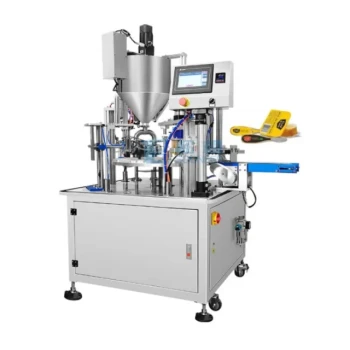
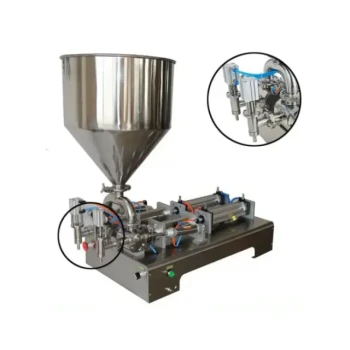
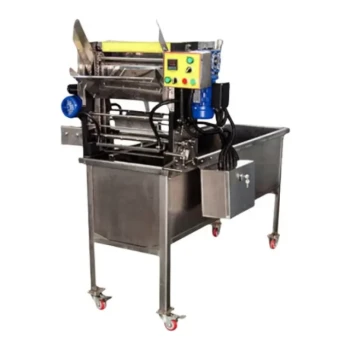
Automatic honey filling machines transform commercial bottling by utilizing high-precision quantitative control and temperature-regulated anti-drip systems. These technical features directly address the physical challenges of honey's high viscosity, ensuring consistent product weight while significantly boosting production efficiency and maintaining strict hygiene standards.
By automating the filling process with specialized viscosity-handling technology, these machines bridge the gap between bulk agricultural production and high-value retail. They eliminate the variability of manual packing, guaranteeing the precise measurements and sterile conditions required for global supply chain compliance.
Mastering Viscosity and Precision
Commercial honey production faces a unique physical challenge: the fluid's high viscosity and tendency to drip. Automatic filling machines are engineered specifically to neutralize these variables.
Handling High Viscosity
Honey thickens and flows unpredictably depending on ambient conditions. Industrial machines employ temperature-regulated designs to maintain optimal flow rates, preventing the clogging and inconsistency that plague manual operations.
Advanced Anti-Drip Technology
Sticky residue is a major cause of material loss and packaging errors. These machines utilize specialized anti-drip nozzles that cut the flow cleanly after every cycle, ensuring the bottle neck remains clean and preventing product waste.
Quantitative Control Systems
In retail, "close enough" is not acceptable. High-precision metering systems ensure that the net weight of every container is identical. This consistency is critical for meeting strict international trade standards and labeling laws.
Elevating Hygiene and Safety
As honey transitions from a raw agricultural product to a shelf-ready commodity, hygiene becomes paramount. Automation serves as a firewall against contamination.
Closed-Pipe Architecture
Modern machines often utilize a closed-pipe design. This minimizes the honey's exposure to external air, drastically reducing the risk of oxidation or the introduction of airborne impurities.
Preventing Secondary Contamination
Manual handling is the primary vector for bacteria and foreign particles. by automating the transfer from bulk storage to retail bottles, these machines effectively eliminate human contact, reducing the risk of secondary contamination.
Operational Efficiency and Market Readiness
Beyond the physics of filling, these machines offer strategic technical advantages that enable producers to scale operations.
Transitioning from Bulk to Retail
For apiaries moving from bulk sales to high-value fractional packaging, speed is essential. Automation allows for the rapid conversion of large batches into retail-ready units without the bottleneck of manual labor.
Standardization for Global Markets
To enter high-end domestic and international markets, packaging must be uniform. Automatic fillers provide the standardized packaging quality—both in fill level and cleanliness—that modern retail supply chains demand.
Navigating the Trade-offs
While the advantages are clear, introducing industrial automation introduces new complexities that must be managed.
strict Maintenance Regimens
The same viscosity that makes honey difficult to bottle makes the machinery difficult to clean. Operators must adhere to rigorous cleaning protocols to prevent crystallization within the delicate metering components, which can seize the machine or affect accuracy.
Calibration Sensitivity
Honey viscosity changes with temperature. These machines require precise calibration; if the ambient temperature of the facility shifts significantly, the quantitative controls may drift, requiring skilled technical adjustment to maintain accuracy.
Making the Right Choice for Your Goal
Selecting the right filling technology depends on where you currently stand in the production lifecycle.
- If your primary focus is Regulatory Compliance: Prioritize machines with advanced quantitative control to ensure your labeled weights meet international trade standards.
- If your primary focus is Brand Protection: Look for closed-pipe designs and anti-drip features to minimize contamination risks and ensure pristine packaging presentation.
- If your primary focus is Scaling Production: Invest in high-speed, temperature-regulated units that allow you to transition rapidly from bulk storage to retail inventory.
Ultimately, an automatic honey filling machine is not just a tool for speed; it is the technical foundation required to turn a raw agricultural harvest into a standardized, safe, and exportable commercial product.
Summary Table:
| Feature | Technical Advantage | Business Impact |
|---|---|---|
| Quantitative Control | High-precision metering systems | Ensures label compliance and reduces product giveaway |
| Anti-Drip Nozzles | Clean cut-off after every cycle | Minimizes waste and keeps packaging pristine |
| Closed-Pipe Design | Minimal exposure to external air | Protects product purity and prevents oxidation |
| Temperature Regulation | Optimized flow for high viscosity | Maintains consistent speed regardless of ambient conditions |
| Automated Workflow | Eliminates manual handling | Reduces contamination risk and scales production volume |
Scale Your Apiary with Professional Filling Solutions
Transitioning from bulk production to high-value retail requires precision and reliability. HONESTBEE specializes in empowering commercial apiaries and distributors with the robust machinery needed to dominate the market.
Our comprehensive wholesale offering includes everything from high-precision honey-filling machines and hive-making hardware to specialized beekeeping tools and essential industry consumables. Whether you are looking to upgrade your production line for global export or expand your inventory of honey-themed merchandise, our team provides the technical expertise and equipment to ensure your success.
Ready to elevate your honey production? Contact HONESTBEE Today to discover how our tailored equipment solutions can drive your business forward.
References
- Brîndușa Covaci, Mihai Covaci. Sweeteners World Trade and Behaviour in the Pandemic. Evidence from Honey Remedies Nexus Mountain Apis Mellifera Product. DOI: 10.1007/s12355-023-01243-6
This article is also based on technical information from HonestBee Knowledge Base .
Related Products
- Automatic Honey Filling and Filtering Machine for Beekeeping Bottle Filling
- Fully Automatic Honey Filling Packaging Machine for Processing Line
- Semi Automatic Small Honey Bottle Filling Machine Honey Filler
- Precision Durable Efficient HONESTBEE Rotary Honey Filling Machine
- Automatic Single-Dose Snap & Squeeze Honey Sachets Packing Machine
People Also Ask
- What process advantages do professional honey filtering and filling machines provide? Optimize Your Organic Honey Output
- How do honey filling and filtering machines increase product value? Turn Raw Honey into Premium Export-Grade Goods
- How do honey filtration and filling machinery contribute to industrialization? Scale Your Commercial Honey Production
- What specific issues do industrial filtration and automated filling machinery address? Ensure Honey Quality & Compliance
- How does the use of professional honey filtration and filling machinery facilitate international honey exports?