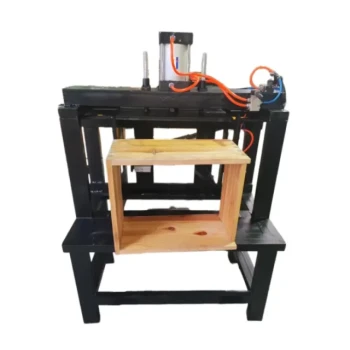
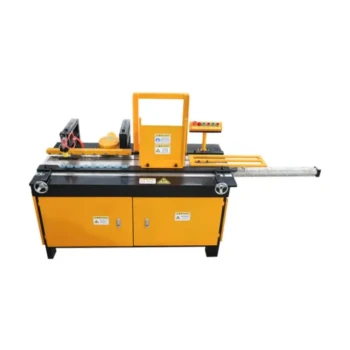
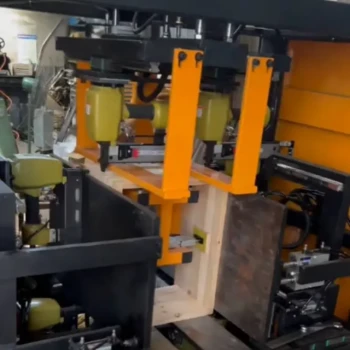
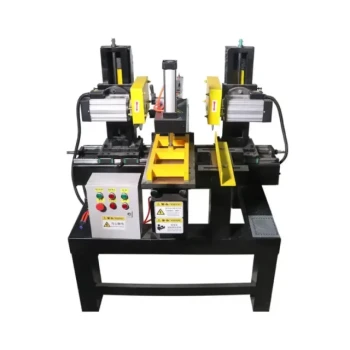
Specialized hive-making machines provide a level of dimensional precision and production velocity that manual construction cannot match. By utilizing automated technologies like tenoning machines and multi-head drills, commercial apiaries achieve strict standardization, ensuring that every component is interchangeable and optimized for large-scale mechanized management.
The transition to machine-made hives is not merely about production speed; it is about establishing a rigorous hardware standard. This mechanical consistency eliminates the compounding inefficiencies of variable equipment, serving as the foundation for scalable, automated commercial beekeeping.
Standardization and Operational Efficiency
Achieving Absolute Interchangeability
In manual construction, slight variations in measuring and cutting are inevitable. Specialized machinery ensures high-repeatability processing, meaning every frame, box, and bottom board is identical across batches.
This allows for complete interchangeability of components. Beekeepers can replace a damaged part without customized fitting, drastically simplifying colony maintenance and inspection workflows.
Facilitating Mechanized Logistics
Commercial operations often rely on moving massive numbers of hives for pollination services or nectar flows. Machine-made hives possess consistent external dimensions and structural squareness.
This uniformity is critical for mechanized transport. Hives stack perfectly on pallets and trucks, maximizing space and ensuring stability during cross-regional migration.
Integration with Downstream Automation
Modern commercial apiaries often utilize automated lines for honey extraction and filling. These systems require precise inputs to function correctly.
Standardized hive components serve as the physical foundation for automated extraction. If frames vary in size, they can jam automated uncapping or spinning machinery; machine-made components mitigate this risk entirely.
Impact on Colony Health and Productivity
Preserving Critical "Bee Space"
The most significant biological advantage of high-precision woodworking is the maintenance of accurate "bee space"—the specific gap required for bees to move freely.
If this space is inaccurate due to manual error, bees will fill gaps with propolis or build burr comb. Precise internal dimensions prevent this, reducing the labor required to clean frames and improving overall honey production efficiency.
Optimizing Environmental Sealing
Specialized machinery uses industrial cutting and assembly techniques to create tighter joints than are typically achieved by hand.
These tightly sealed structures improve the hive's internal airflow and humidity management. A well-sealed environment helps the colony regulate temperature more efficiently and minimizes the entry points for pests and parasites.
Scaling Infrastructure for Commercial Growth
Meeting Rapid Expansion Demands
Manual construction acts as a bottleneck during phases of rapid growth. Mechanized manufacturing significantly increases production speed, allowing apiaries to deploy infrastructure immediately when scaling up.
Reducing Long-term Maintenance Costs
While manual hives may suffer from structural inconsistencies that lead to faster wear, machine-made components are standardized for durability.
Consistent specifications reduce the difficulty of maintenance. Apiaries can stock a single standard of replacement parts rather than managing a fleet of bespoke or ill-fitting equipment, lowering long-term procurement costs.
Understanding the Trade-offs
High Initial Capital Expenditure
Implementing specialized machinery requires a significant upfront investment compared to hand tools. For smaller operations, the return on investment may take years to realize, making this a strategy best suited for commercial-scale endeavors.
Rigid Design Specifications
Once a production line is tooled for a specific standard (e.g., Langstroth), changing hive designs becomes difficult and costly. Flexibility is sacrificed for efficiency; you cannot easily customize individual hives for experimental purposes without disrupting the production flow.
Making the Right Choice for Your Goal
To determine if specialized hive-making machinery is the right step for your apiary, consider your primary operational bottleneck:
- If your primary focus is rapid expansion: The machinery provides the high-volume throughput necessary to meet infrastructure demands without labor bottlenecks.
- If your primary focus is operational efficiency: The strict standardization ensures interchangeability, streamlining logistics, migration, and automated extraction processes.
- If your primary focus is colony health: The dimensional precision ensures optimal "bee space" and environmental sealing, reducing stress on the bees and manual cleaning labor.
Investing in specialized machinery transforms hive construction from a craft into a scalable industrial process, securing the consistency required for high-efficiency commercial beekeeping.
Summary Table:
| Feature | Manual Construction | Specialized Machinery | Commercial Benefit |
|---|---|---|---|
| Precision | Variable (Human Error) | High-Repeatability Micron Accuracy | Perfect interchangeability and 'Bee Space' preservation |
| Production Speed | Low (Labor Intensive) | High-Velocity Throughput | Rapid infrastructure scaling for growth |
| Structural Integrity | Varies by Craftsmanship | Industrial-Grade Tight Seals | Improved insulation and pest resistance |
| Logistics | Irregular Stacking | Standardized Dimensions | Optimized palletizing and mechanized transport |
| Automation Link | Prone to Jamming | Seamless Integration | Compatible with automated extraction/filling lines |
Transform Your Commercial Apiary with HONESTBEE Precision
Transitioning from manual labor to industrial efficiency is the key to scaling your beekeeping business. HONESTBEE specializes in empowering commercial apiaries and distributors with the high-performance hardware needed to dominate the market. From specialized hive-making machines and multi-head drills to advanced honey-filling systems, our comprehensive wholesale portfolio covers the full spectrum of beekeeping tools and industry consumables.
Why partner with HONESTBEE?
- Scalability: Deploy standardized infrastructure at record speed.
- Efficiency: Reduce maintenance costs with perfectly interchangeable components.
- Expertise: Access a complete range of machinery and honey-themed cultural merchandise designed for professionals.
Ready to eliminate production bottlenecks and secure the consistency your operation demands? Contact our expert team today to explore our wholesale machinery and equipment solutions.
References
- Abujere Mubarik, Mukadasi Buyinza. Drivers of honey production and its effects on rural livelihoods in Odravu Sub-country, Yumbe district, Northern Uganda. DOI: 10.5281/zenodo.3692403
This article is also based on technical information from HonestBee Knowledge Base .
Related Products
- High-Efficiency Pneumatic Bee Hive Making Machine for Rapid Box Assembly
- Mini Desktop Bee Hive Frame Forming Making Machine
- Beehive Handle and Frame Rest Cutting Machine: Your Specialized Hive Machine
- Automatic High-Speed Bee Hive Box Stapling Machine
- Beehive Machine Double End Saw for Precision Hive Component Manufacturing
People Also Ask
- How does the introduction of professional beehive-making machinery benefit sustainable beekeeping? Scale Your Apiary
- Why is specialized beehive-making machinery critical for low-defense breeding? Enhance Selection with Precision Tools
- How does the introduction of specialized beehive making machinery contribute to increasing the scale of regional beekeeping industries?
- What is the importance of specialized beehive making machinery in a circular bio-economy? Build Local Sustainability
- Why is specialized beehive-making machinery essential? Scale Your Apiary with Precision Industrial Standards