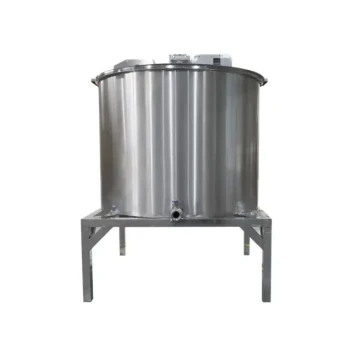
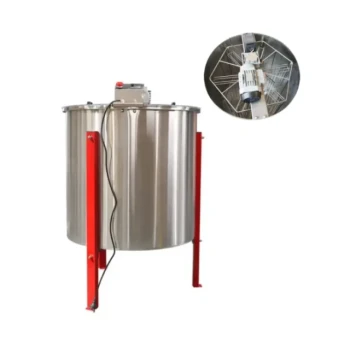
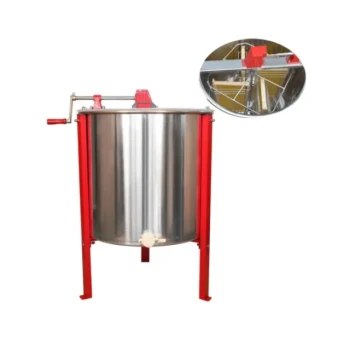
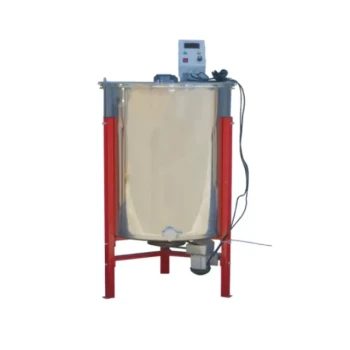
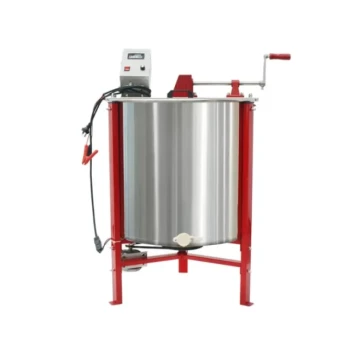
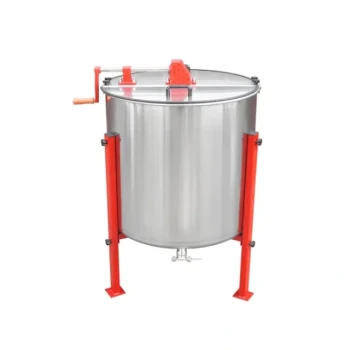
Specialized honey extractors fundamentally distinguish themselves from manual pressing by utilizing centrifugal force to isolate honey without destroying the wax comb. While manual pressing requires crushing the honeycomb—effectively destroying the bees' storage infrastructure—specialized extractors maintain the structural integrity of the frame, allowing for distinct biological and operational advantages.
The Core Insight The definitive advantage of a specialized extractor is non-destructive harvesting. By preserving the honeycomb structure, you eliminate the need for bees to secrete new wax, allowing the colony to redirect massive amounts of energy from construction back to honey production.
Preserving the Colony's Infrastructure
The most critical technical gain from using an extractor is the preservation of the honeycomb foundation.
Eliminating the Biological Cost of Reconstruction
Manual pressing destroys the comb, forcing bees to rebuild from scratch. Building wax is biologically expensive; bees consume significant amounts of honey and energy to secrete wax. By returning intact combs to the hive, you save this energy, directly converting it into higher honey yields during the flowering season.
Immediate Cycle Optimization
In a manual pressing workflow, there is a lag time while bees rebuild storage cells. Centrifugal extraction allows empty combs to be returned to the hive for immediate reuse. This optimizes the production efficiency of the entire beekeeping cycle, allowing for faster turnover during peak nectar flows.
Commercial Byproduct Management
The primary reference notes that intact beeswax combs are a valuable byproduct. Because the structure is not mashed into a slurry, the wax remains cleaner and easier to process. This enhances the commercial value of the beeswax output if you choose to process it industrially rather than returning it to the hive.
Operational Efficiency and Product Quality
Beyond biology, mechanized extraction offers superior control over the physical product and the labor required to harvest it.
Enhanced Extraction Rates
Electric extractors utilize motor-driven centrifugal force to remove honey more thoroughly than gravity or hand-pressing. This results in a significantly higher extraction rate, ensuring less waste of the harvested crop.
Reduction of Labor Intensity
Manual pressing is physically demanding and time-consuming. Automated extractors significantly reduce labor intensity, particularly during large-scale harvesting periods. This automation allows beekeepers to process larger volumes of honey in shorter windows of time.
Preservation of Sensory Characteristics
High-precision extractors use food-grade materials and filtration systems to prevent contamination. This mechanical process maximizes the preservation of nutritional components and specific flavor compounds. It prevents the physical and chemical changes that can occur when honey is heavily oxidized or contaminated during manual crushing.
Understanding the Trade-offs
While extractors offer technical superiority, they introduce variables that manual pressing does not.
Operational Precision is Required
Unlike manual methods, centrifugal extraction requires precise speed control. If the rotation speed is too high, the force can rupture the wax foundation, negating the primary benefit of preservation. Operators must adjust centrifugal force carefully to balance extraction efficiency with comb integrity.
Equipment Complexity
Transitioning to specialized extractors introduces mechanical maintenance and sanitation requirements. You must maintain industrial-grade rotational balance to ensure the machine operates correctly. This adds a layer of technical complexity compared to the simplicity of basic pressing tools.
Making the Right Choice for Your Goal
The decision to switch from manual pressing to specialized extraction depends on your production targets.
- If your primary focus is Maximum Yield: Prioritize centrifugal extractors to reuse combs, saving bee energy and maximizing the volume of honey produced per season.
- If your primary focus is Product Purity: Use extractors with food-grade stainless steel components to ensure the final product meets stringent market standards for hygiene and flavor profile.
- If your primary focus is Workflow Scalability: Implement electric motor-driven extractors to reduce physical labor and prevent bottlenecks during heavy harvest periods.
Summary: The technical shift to specialized extraction is not just about speed; it is about protecting the energy economy of the hive to ensure long-term productivity.
Summary Table:
| Feature | Manual Pressing | Specialized Honey Extractor |
|---|---|---|
| Comb Preservation | Destroys wax structure | Keeps honeycomb intact for reuse |
| Bee Energy Cost | High (bees must rebuild wax) | Low (energy redirected to production) |
| Extraction Efficiency | Low; high waste | High; maximum honey recovery |
| Labor Intensity | Very high; physically demanding | Low; automated and scalable |
| Product Purity | Higher risk of contamination | Superior; food-grade material control |
| Harvest Cycle | Slow (requires rebuilding) | Rapid (immediate return to hive) |
Maximize Your Apiary's Productivity with HONESTBEE
Transitioning from manual methods to industrial-grade extraction is the key to scaling your honey production. HONESTBEE specializes in supporting commercial apiaries and distributors with high-performance beekeeping machinery and equipment designed for maximum efficiency.
Our Value to Your Business:
- Advanced Machinery: From high-precision honey-filling machines to automated centrifugal extractors that protect your hive's infrastructure.
- Comprehensive Wholesale Catalog: We supply everything from hive-making hardware to essential industry consumables.
- Global Distribution Support: Reliable tools and equipment tailored for professional scale and commercial standards.
Ready to upgrade your workflow and increase your seasonal yields? Contact us today to explore our wholesale solutions!
References
- Olugbenga Omotayo Alabı, Chinwe Edith ANEKWE. Technical efficiency of honey and beeswax production in Kaduna State, Nigeria: Implications for climate and food security sustainability. DOI: 10.17306/j.jard.2023.01706
This article is also based on technical information from HonestBee Knowledge Base .
Related Products
- HONESTBEE 72 Frame Industrial Electric Honey Extractor for Beekeeping
- Commercial Electric 12 Frame Honey Extractor Spinner Motorized Honey Extractor
- 32 Frame Commercial Electric Honey Extractor for Beekeeping and Honey Production
- HONESTBEE 6 Frame Self Reversing Electric Honey Extractor for Beekeeping
- HONESTBEE 3-Frame Manual Acrylic Honey Extractor
People Also Ask
- What is the importance of balancing honeycomb frames within a honey extractor? Ensure Stability and Protect Machinery
- How is honey separated from the frames after they are uncapped? Efficient Extraction Methods for High Yields
- What are the main benefits of using a honey extractor? Maximize Yields and Protect Your Honeycomb
- What are the recommended methods for removing honey from the honeycomb? Top Extraction Techniques for Maximum Efficiency
- How do manual honey extractors compare to electric honey extractors? Choosing the Right Tool for Your Apiary Growth