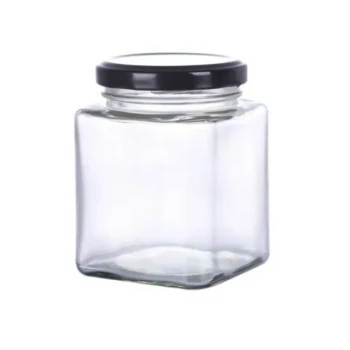
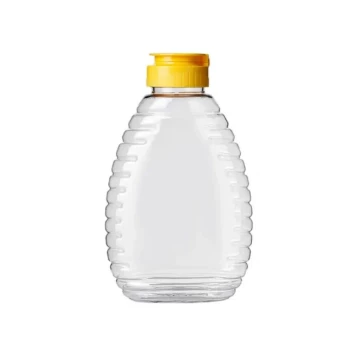
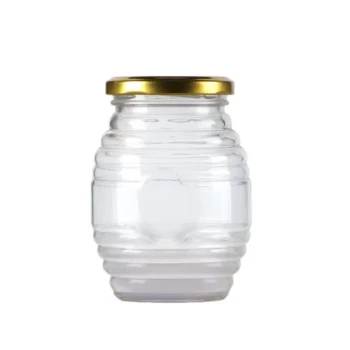
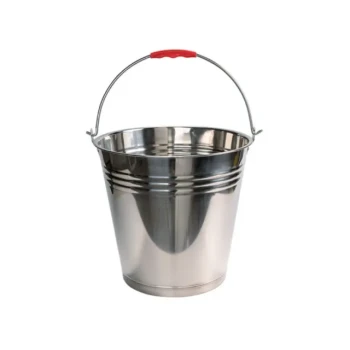
Professional-grade honey storage containers are engineered with two fundamental technical capabilities: the use of chemically inert, food-grade materials and advanced hermetic sealing systems. These features work in tandem to rigorously isolate the honey from environmental moisture and oxygen, directly neutralizing the risk of fermentation and preventing the spoilage caused by water absorption.
Honey is a hygroscopic, chemically active product that naturally seeks equilibrium with its environment. The core function of professional storage is to create a "physicochemical lock" that prevents atmospheric water absorption, thereby inhibiting fermentation and maintaining the stability of enzymes like diastase.
The Defense Against Moisture and Oxidation
Combating Hygroscopic Properties
Honey is highly hygroscopic, meaning it aggressively absorbs moisture from the surrounding air. If the water content rises too high, dormant yeasts in the honey activate, leading to fermentation and spoilage.
Professional containers mitigate this through superior sealing performance. By creating a hermetic barrier, they decouple the internal environment from external humidity, preventing the moisture fluctuations that degrade shelf life.
The Oxygen Barrier
Beyond moisture, exposure to oxygen accelerates chemical degradation. Oxygen acts as a catalyst for spoilage and creates a pathway for airborne pathogens.
High-end storage systems are designed to function as a physical barrier against external air. This isolation preserves the honey’s characteristic flavor profile and prevents the oxidative stress that damages product integrity.
Material Science and Chemical Integrity
Utilizing Inert Materials
Honey is weakly acidic and can react adversely with common metals. This reaction not only corrodes standard containers but leads to chemical contamination of the food product.
To prevent this, professional vessels are manufactured from food-grade inert materials. Typically involving high-grade stainless steel or specialized sterile plastics, these materials ensure the container remains chemically neutral and does not leach substances into the honey.
Preserving Physicochemical Stability
The goal of professional storage is to maintain the honey's "living" qualities. Poor storage leads to a rapid increase in hydroxymethylfurfural (HMF) and a decline in diastase activity.
By stabilizing the product against environmental shifts, these containers help maintain the honey’s chemical integrity. This stability is critical for reducing storage losses and extending the viable commercial lifespan of the product.
Understanding the Trade-offs
The Limits of Passive Protection
While professional containers provide an excellent barrier, they are passive systems. They cannot actively cool the honey.
To fully inhibit HMF production and maximize quality, the surrounding environment must still be controlled. The ideal storage condition requires a temperature range of 10-16°C and relative humidity below 65%. Even the best container cannot fully compensate for a storage room that is too hot or too damp.
Material Durability vs. Cost
Stainless steel drums offer the highest level of inertness and durability, making them ideal for long-term storage, but they represent a significant capital expense.
Specialized plastic containers are cost-effective and lighter for transport, but they must be rigorously vetted to ensure they are truly "food-grade sterile" to prevent chemical leaching over long durations.
Making the Right Choice for Your Goal
Selecting the correct technical solution depends on the duration of storage and the sensitivity of your specific honey varietal.
- If your primary focus is long-term chemical preservation: Prioritize high-grade stainless steel drums to ensure absolute inertness and zero permeability to oxygen.
- If your primary focus is active prevention of fermentation: Ensure your container system is paired with professional sealing equipment to guarantee a hermetic seal against humidity.
Ultimately, a professional storage container is not just a vessel, but a critical investment in preserving the biological and chemical value of your harvest.
Summary Table:
| Technical Feature | Mechanism of Protection | Primary Benefit |
|---|---|---|
| Hermetic Sealing | Creates a physical barrier against humidity and oxygen | Prevents fermentation and oxidative flavor loss |
| Chemically Inert Materials | Uses high-grade stainless steel or sterile plastics | Prevents metal corrosion and chemical leaching |
| Moisture Decoupling | Isolates honey from atmospheric hygroscopic absorption | Maintains stable water content and shelf life |
| Stability Maintenance | Protects enzymes like diastase and limits HMF rise | Preserves the honey's biological and commercial value |
Secure Your Harvest with HONESTBEE Professional Storage Solutions
Preserving the integrity of your honey requires more than just a vessel; it requires engineering excellence. At HONESTBEE, we specialize in supporting commercial apiaries and distributors with high-performance, food-grade storage systems designed to eliminate fermentation risks and chemical contamination.
Our extensive portfolio goes beyond storage, offering a full spectrum of beekeeping tools, honey-filling machinery, and essential consumables to streamline your entire production line. Whether you are scaling your distribution or upgrading your processing facility, our team provides the technical expertise and wholesale value you need to succeed.
Ready to protect your product quality? Contact us today to discuss your wholesale equipment needs!
References
- Ikechi Kelechi Agbugba, Youssouf Diabaté. Socio-Economic and Profitability Analysis of Honey Marketing in Port Harcourt City Local Government Area of Rivers State, Nigeria. DOI: 10.7176/jesd/11-6-01
This article is also based on technical information from HonestBee Knowledge Base .
Related Products
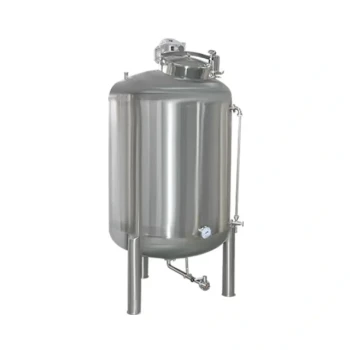
- Stainless Steel Honey Storage Tank with Lid for Honey
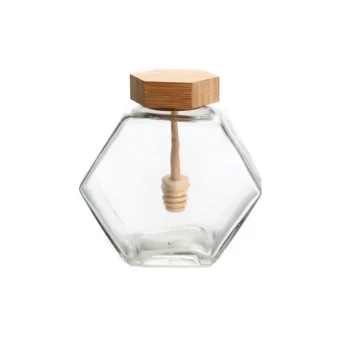
- Hexagonal Glass Honey Jar with Wooden Lid Integrated Dipper Elegant Functional Storage
- Stainless Steel Honey Storage and Settling Tank with Double Strainer
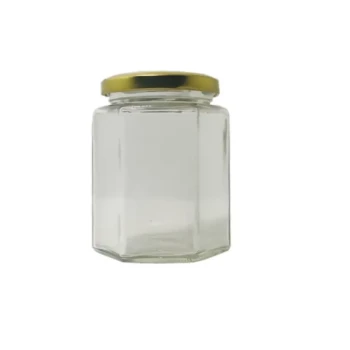
- Hexagonal Glass Honey Jars with Metal Lug Caps Elegant Versatile Packaging
- Professional Honey Storage Tank with Agitation System
People Also Ask
- What economic role do honey storage tanks play? Boost Your Revenue Through Strategic Inventory Management
- What roles do industrial honey storage tanks and filtration meshes play in processing? Ensure Purity & Consistency
- What is the purpose of a honey storage tank? Streamline Your Honey Processing for Quality & Efficiency
- What are honey storage tanks used for? Essential Features for Quality Preservation and Profit
- How do large honey storage tanks and gravity fall filling systems improve honey packaging efficiency and safety?