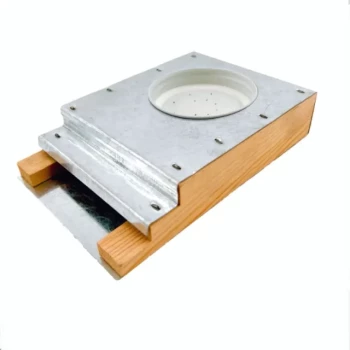
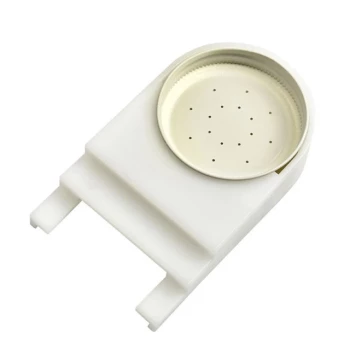
To effectively prevent bees from drowning in a top feeder, you must install "bee-tight" hardware cloth or galvanized steel safety screens that allow access to syrup without permitting entry into the reservoir. Furthermore, you must meticulously inspect the feeder and seal any gaps or holes large enough for a bee to crawl through using a durable sealant like silicone.
True safety in top feeding is not about bee behavior, but about engineering controls. You must create a rigid physical ecosystem where access to nutrition is guaranteed, but submersion is physically impossible.
Establishing the Physical Barrier
To solve the deep need of hive preservation, you cannot rely on the bees' ability to navigate deep liquid. You must implement mechanical restrictions that dictate their movement.
Utilizing Safety Screens
The primary defense against drowning is the installation of hardware cloth or galvanized steel screens.
These screens function as a safety net. They must be positioned to allow the bees to reach the syrup through the mesh while preventing their bodies from passing through into the liquid volume.
Ensuring a "Bee-Tight" Fit
The tolerance of your materials is critical. The mesh and its installation must be "bee tight."
If the mesh is too loose or the weave is too wide, bees will force their way into the reservoir. Once inside the main tank, they are unable to climb out and will drown.
Eliminating Structural Vulnerabilities
Even with a perfect screen, a feeder can become a trap if the physical housing is compromised. Bees are opportunistic and will explore any opening to reach the sugar source.
Identifying Bypass Points
You must audit your feeder for any unintentional openings. Look for construction defects, warped materials, or design flaws that create gaps.
Any hole large enough for a bee to crawl through negates the safety of your screen system.
Sealing with Silicone
Once gaps are identified, they must be permanently closed. Silicone is the recommended material for this task.
Apply silicone to seal edges, corners, and any structural holes. This forces the bees to access the syrup only through the designated safe zones provided by the safety screens.
Common Pitfalls and Trade-offs
While screens and sealants are effective, they introduce maintenance requirements that must be managed to ensure long-term safety.
Material Degradation
Over time, sealants like silicone can peel or degrade due to exposure to syrup and weather.
If you fail to inspect these seals regularly, a gap may reopen, turning a safe feeder back into a drowning hazard.
Screen Maintenance
Galvanized steel is recommended for durability, but even sturdy materials can bend or rust.
A damaged screen may create sharp edges or larger openings. You must regularly verify that the hardware cloth remains taut and the mesh size has not been distorted.
Making the Right Choice for Your Goal
To apply these technical measures effectively, tailor your approach to your specific maintenance capabilities.
- If your primary focus is Equipment Longevity: Prioritize galvanized steel for your safety screens to resist rust and maintain a rigid, bee-tight shape over multiple seasons.
- If your primary focus is Immediate Safety: Conduct an immediate audit of your current feeders and use silicone to close any bypass gaps that allow bees to skirt the safety screens.
By rigidly controlling the points of access, you turn a potential hazard into a reliable resource for colony growth.
Summary Table:
| Measure | Recommended Tool/Material | Primary Goal |
|---|---|---|
| Physical Barrier | Hardware Cloth / Galv. Steel | Prevents reservoir entry while allowing syrup access |
| Precision Sealing | Durable Silicone Sealant | Closes bypass gaps, holes, and structural leaks |
| System Audit | Regular Manual Inspection | Maintenance of "bee-tight" fit and material integrity |
| Longevity Focus | Galvanized Steel Screens | Resists rust and maintains rigid mesh shape over time |
Maximize Apiary Productivity with HONESTBEE
At HONESTBEE, we understand the complex needs of commercial apiaries and professional distributors. A safe feeding environment is just the beginning. We provide a comprehensive wholesale portfolio designed to scale your operations, including:
- Industrial Machinery: Advanced hive-making and precision honey-filling machines.
- High-Performance Tools: Durable feeders, safety hardware, and specialized beekeeping equipment.
- Consumables & Merchandise: Essential industry supplies and honey-themed cultural merchandise.
Partner with a supplier that values engineering excellence as much as you do. Contact HONESTBEE today to discuss our wholesale offerings and custom equipment solutions.
Related Products
- HONESTBEE Round Hive Top Bee Feeder for Syrup
- HONESTBEE Professional Hive Top Bee Feeder Feeding Solution
- Professional Hive Top Bee Feeder for Beekeeping
- HONESTBEE Square Top Hive Bee Feeder Top Bee Feeder
- Rapid Bee Feeder White Plastic 2L Round Top Feeder for 8 or 10-Frame Bee Hives
People Also Ask
- What can the round hive top feeder be used for? A Guide to Efficient, Safe Bee Feeding
- What is the capacity of the round hive top feeder for syrup and pollen? A Guide to Targeted Apiary Support
- What types of hive boxes is the round hive top feeder compatible with? Universal Fit for 8 & 10-Frame Langstroth Hives
- What types of feed can be used with the round hive top feeder? Versatile Feeding for Optimal Apiary Health
- What are the different types of top feeders for bees? Choosing the Best Feeder for Your Apiary