Wait until the ambient temperature reaches approximately 50 degrees Fahrenheit. Before opening the hive, you must also visually confirm that bees are actively taking flights outside the entrance. Even at this temperature threshold, inspections must remain extremely brief—ideally 30 seconds or less—to prevent critical heat loss within the colony.
Early spring inspections require balancing necessary assessment with strict heat conservation. While 50°F is the minimum safety threshold, your priority is to verify food stores in under 30 seconds to avoid chilling the brood or stressing the cluster.
Understanding the Temperature Threshold
Preserving the Cluster's Warmth
The honey bee colony maintains a specific internal microclimate to survive winter and rear brood. Breaking the propolis seal and opening the hive releases this accumulated heat.
If the outside air is below 50 degrees Fahrenheit, the cold shock can be detrimental. Specifically, it puts the brood (developing larvae) at risk of "chilling," which can kill a generation of new bees.
The Indicator of Activity
Temperature alone is not the only metric. You should observe bees actively flying before inspecting.
Flight activity indicates that the colony's metabolism is active and they are breaking their tight winter cluster. This suggests the colony is robust enough to withstand a very brief intrusion.
The "Micro-Inspection" Strategy
Speed is Essential
Early spring checks are not the time for deep frame manipulation. The primary reference dictates that these inspections should last 30 seconds or less.
Plan your movements before removing the cover. You are looking for specific indicators, not performing a general audit.
Assessing Food Stores
The primary objective of this quick check is to look at the top bars of the frames. You are looking for sealed honey.
If honey stores are not visible or appear dangerously low, the colony is at risk of starvation just before the season turns.
Managing Early Spring Nutrition
Immediate Intervention
If your 30-second check reveals low stores, you must provide supplemental feed immediately.
Use winter patties for this purpose. Continue this supplemental feeding until the first natural blooms appear.
Transitioning to Growth
As the season progresses and temperatures become consistently warmer, your strategy should shift from survival to expansion.
At this stage, introduce high-protein pollen substitutes. This stimulates brood development and helps increase the hive population for the upcoming honey flow.
The Risks of Early Intervention
The Cost of Disruption
Every inspection forces the bees to consume energy reserves to re-heat the hive. In early spring, when food stores are naturally lowest, this energy expenditure can be risky.
Unnecessary or prolonged inspections can cause the cluster to contract, potentially leaving brood exposed to the cold.
Disease Identification
While speed is paramount, you must remain vigilant for signs of disease. Use your brief inspection window to scan for Varroa mites, Nosema, and American Foulbrood.
Early identification allows for treatment before the population explodes, but never prioritize a detailed disease hunt over the thermal safety of the hive during a cold snap.
Making the Right Choice for Your Goal
To ensure colony success, tailor your actions to the specific condition of the hive and the weather.
- If your primary focus is avoiding starvation: Briefly check top bars for honey and apply winter patties immediately if stores are low.
- If your primary focus is colony expansion: Wait for consistently warmer weather to apply high-protein pollen substitutes, rather than forcing growth during the 50-degree window.
- If your primary focus is colony health: Scan quickly for pests like Varroa or Nosema, but delay treatment applications that require complex manipulation until temperatures are more stable.
Respect the temperature threshold and keep checks brief to ensure your bees survive the final stretch of winter.
Summary Table:
| Inspection Parameter | Safety Threshold / Target | Action Required |
|---|---|---|
| Minimum Temperature | 50°F (10°C) | Wait for this threshold before opening. |
| Inspection Duration | < 30 Seconds | Rapid check to prevent heat loss. |
| Visual Indicator | Flight Activity | Observe bees flying before inspecting. |
| Primary Objective | Food Store Assessment | Check top bars for sealed honey. |
| Critical Intervention | Low Stores | Apply winter patties immediately. |
Secure Your Apiary’s Success with HONESTBEE
Transitioning your colony from winter to spring requires precision and the right equipment. HONESTBEE specializes in supporting commercial apiaries and distributors with high-quality, professional-grade solutions. Whether you need reliable beekeeping tools, automated honey-filling machines, or high-protein pollen substitutes to fuel spring expansion, our comprehensive wholesale portfolio has you covered.
Don't let early spring challenges compromise your productivity. Partner with us for the hardware and consumables your business needs to thrive.
Contact HONESTBEE Today to Discuss Your Wholesale Needs
Related Products
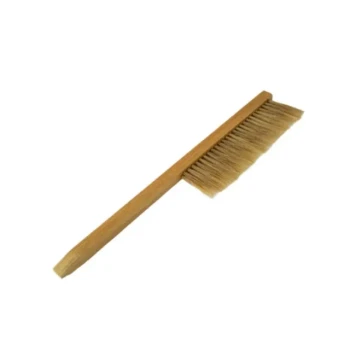
- Classic Wooden Bee Brush with Double-Row Boar Bristles
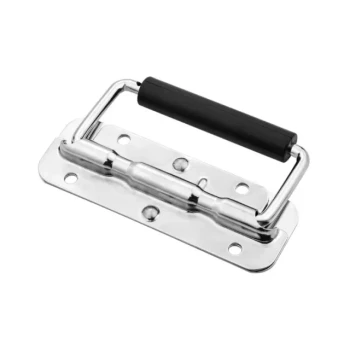
- Premium Comfort Grip Spring-Loaded Hive Handles
- Australian Pine Wood Langstroth Screen Bottom Board for Wholesale
People Also Ask
- What are the key features of a popular bee brush? Essential Design for Bee Safety and Hive Hygiene
- What are the key characteristics of the bristles on a bee brush? Master Gentle and Efficient Bee Removal
- What is a bee brush and what is its primary use? A Gentle Tool for Hive Management
- What is the purpose of using a bee brush during the inspection of hive components? Safe & Precise Hive Management
- What is the specific function of a bee brush? Ensure Pure Harvests and Colony Welfare During Honey Extraction