For honey fermentation to occur, three distinct biological and environmental components must be present simultaneously: yeasts, a moisture content exceeding 17%, and a temperature range of approximately 10-30°C. If any single one of these factors is removed or controlled, the fermentation process is effectively inhibited.
To compromise the stability of honey, nature requires a "perfect storm" of ingredients. Fermentation is not random; it is the specific result of wild yeasts becoming active due to excess water and favorable thermal conditions.
The Biological and Environmental Triggers
Honey is naturally stable, but it relies on a delicate balance of chemistry and storage conditions. Understanding the three pillars of fermentation helps in diagnosing spoilage or managing storage effectively.
Component 1: The Presence of Yeasts
Honey naturally contains wild yeasts. These microscopic organisms are the biological catalyst for fermentation.
While bees process nectar to create a stable product, they do not sterilize it. Consequently, yeast spores remain dormant within the honey, waiting for the right conditions to activate.
Component 2: High Moisture Content
Yeasts require water to metabolize sugar. The critical danger zone for honey begins when moisture content rises in excess of 17%.
When moisture levels are kept low, the osmotic pressure of the sugars prevents yeast growth. However, if the water content crosses this threshold, the yeast can survive and begin reproducing.
Component 3: Suitable Temperature
Even with yeast and water present, fermentation requires thermal energy. The optimal window for yeast growth in honey is between 10°C and 30°C.
This temperature range supports the metabolic activity of the yeast. Temperatures outside this specific band will significantly slow down or halt the fermentation process.
Managing Stability and Prevention
The key to preserving honey lies in managing the environment to disrupt the synergy between these three components.
The "Remove One" Principle
Fermentation can be prevented by eliminating just one of the necessary components. You do not need to control all three perfectly to ensure stability.
For example, honey with high moisture content will not ferment if it is stored below 10°C. Conversely, honey stored at room temperature will remain stable if the moisture content is kept sufficiently low.
The Role of Ripening
Honeybees instinctively understand these physics. To prevent spoilage in the hive, they actively dry nectar until the moisture content drops to a safe level.
Once the moisture is reduced—typically below 18.5% in the hive context—the honey is considered "ripe" and sealed with wax. This natural dehydration process renders the wild yeasts unable to function.
Making the Right Choice for Your Goal
Whether you are harvesting honey or storing it for long-term use, your strategy depends on which variable you can control most easily.
- If your primary focus is Long-Term Storage: Ensure your honey is fully "ripe" or dehydrated to a moisture content well below 17% to keep yeasts dormant regardless of room temperature.
- If your primary focus is Managing "Wet" Honey: Store any honey with moisture levels above 17% at temperatures below 10°C immediately to arrest yeast activity.
- If your primary focus is Fermentation (Mead Making): You must intentionally introduce water to dilute the sugars and maintain the temperature between 10-30°C to wake the yeasts.
Control the environment, and you effectively control the biology of the honey.
Summary Table:
| Component | Threshold/Requirement | Role in Fermentation |
|---|---|---|
| Wild Yeasts | Naturally present | The biological catalyst that metabolizes sugars. |
| Moisture Content | Exceeding 17% | Provides the water necessary for yeast activation. |
| Temperature | 10°C to 30°C | Offers the thermal energy for metabolic activity. |
Secure Your Honey Quality with HONESTBEE Professional Solutions
Protect your commercial apiary from spoilage and optimize your production efficiency. At HONESTBEE, we understand the science of honey stability. We offer a comprehensive suite of specialized beekeeping tools, hive-making machinery, and honey-filling equipment designed for large-scale distributors and commercial operations.
Whether you need precision dehydration equipment to control moisture or professional-grade consumables for your honey business, our experts provide the wholesale solutions you need to scale.
Ready to elevate your honey production? Contact us today to discuss your equipment needs!
Related Products
- High Quality Honey Dehumidifier Dryer Thickening Machine for Beekeeping
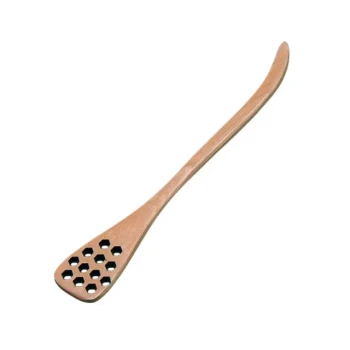
- Modern Honeycomb Pattern Wooden Honey Dipper for Stirring and Drizzling
- Economy Small Scale Honey Dryer Dehumidifier Thickening Machine
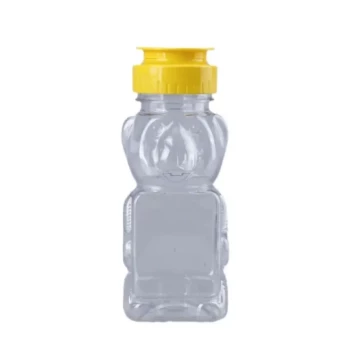
- Classic Honey Bear Jars with Flip Top Dispensing Cap for Liquid Sweeteners
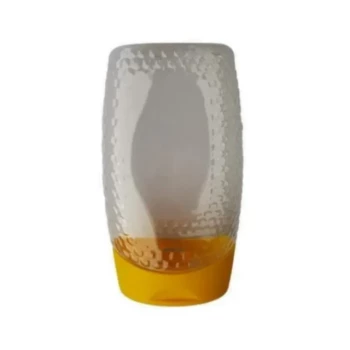
- Inverted Squeezable Honey Jar with No Drip Flip Top Cap for Easy Pouring
People Also Ask
- Can you dehumidify honey? A Beekeeper's Guide to Preventing Fermentation
- How to dry up honey? The Safe Guide to Stabilizing Honey and Preventing Fermentation
- How can the moisture content of honey be reduced? A Guide to Safe, Effective Drying Methods
- How to remove humidity from honey? Protect Your Harvest from Fermentation
- What is the process for using a dehumidifier to lower honey's moisture content? Expert Drying Techniques