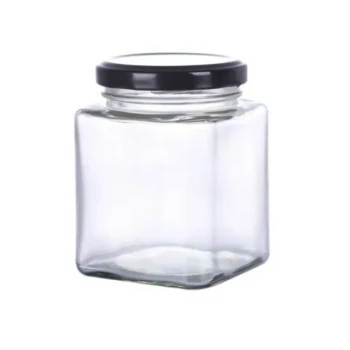
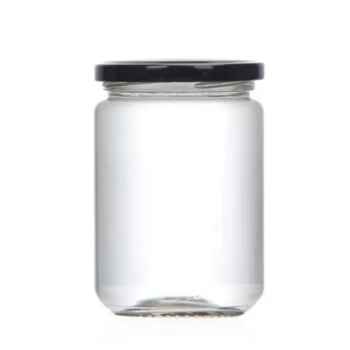
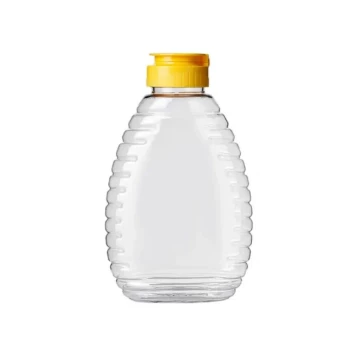
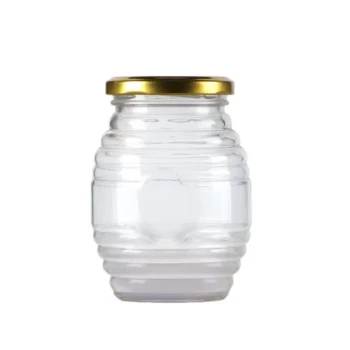
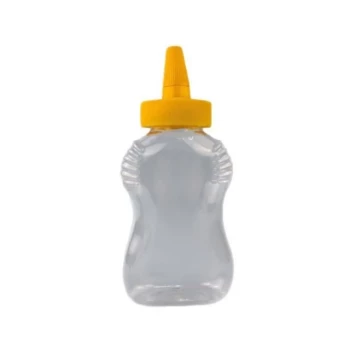
The most practical solution is often the simplest: keep honey in the container it was purchased in. However, if you must transfer it, glass jars with tight-fitting lids are the superior option for maintaining quality. While food-safe plastic is an acceptable alternative, the container must be explicitly designed for food storage to ensure safety.
Core Insight: While original packaging is generally sufficient, the chemical stability of glass combined with an airtight seal offers the highest protection against moisture absorption and oxidation. The material of the container matters less than the integrity of the seal, but the material must be non-reactive.
Why Glass is the Superior Material
Unmatched Chemical Stability
Glass is non-reactive, meaning it will not interact chemically with the honey. This characteristic ensures that the honey's original taste, texture, and nutrient composition remain unaltered over time.
Safety and Purity
Unlike some synthetic materials, glass is non-toxic and eliminates the risk of chemical leaching. This makes it the safest option for long-term storage, as it poses no health risks regarding material degradation.
Temperature and Physical Resilience
Glass containers are more durable against scratching and are less affected by extreme temperature fluctuations compared to plastic. This physical resilience helps protect the honey from external environmental factors.
The Critical Role of the Seal
Preventing Moisture Absorption
Regardless of the material, the lid is the most critical component. You must use a tight-fitting, secure lid to prevent exposure to air.
Honey is hygroscopic, meaning it absorbs moisture from the environment. A loose seal can lead to unwanted moisture intake, which may compromise the honey's consistency and quality.
Blocking Environmental Contaminants
A superior airtight seal prevents the honey from absorbing external odors. This is essential for maintaining the honey's distinct flavor profile and preventing contamination from other kitchen substances.
Viable Alternatives and Safety
The Original Container
As a primary rule, it is recommended to keep honey in its original container. Producers typically package honey in materials specifically tested to preserve the product's integrity until consumption.
Food-Grade Plastic
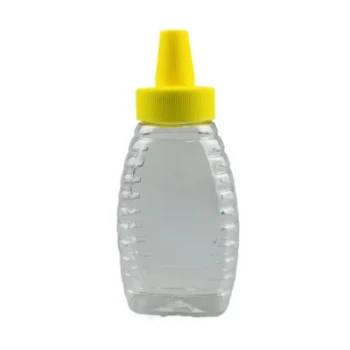
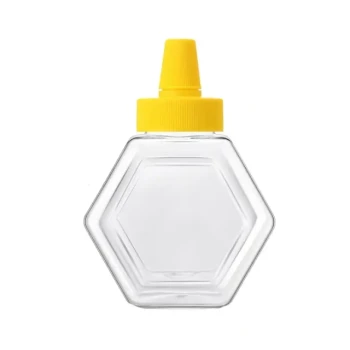
If glass is not an option, food-safe plastic containers (such as "honey bear" bottles) are suitable.
You must verify that the plastic is dedicated food-grade. High-quality food-grade containers prevent contamination from industrial pollutants and preserve the honey's natural flavor.
Common Pitfalls and Material Risks
The Oxidation Risk of Metal
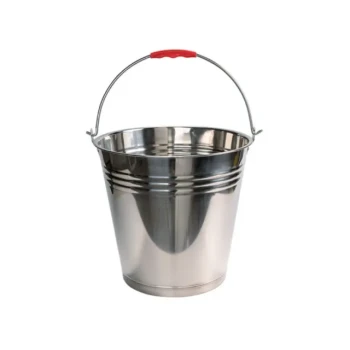
You must strictly avoid storing honey in metal containers. Metal reacts with honey, leading to oxidation. This chemical reaction degrades the quality of the honey and can spoil it entirely.
Non-Food-Grade Plastics
Never use general-purpose or non-food plastic containers. These materials can introduce foreign odors and leach chemical residues into the honey, compromising food safety and altering the taste.
Making the Right Choice for Your Goal
Select your storage method based on how long you intend to keep the honey and your specific usage needs:
- If your primary focus is long-term preservation: Transfer the honey to a sealed glass jar to maximize flavor retention and prevent chemical interaction.
- If your primary focus is convenience and immediate use: Keep the honey in its original container, ensuring the lid is closed tightly after every use.
- If your primary focus is storing infused honey: Ensure you use verified food-grade materials, whether glass or plastic, to ensure compliance and safety.
Ultimately, a non-reactive container with an airtight seal is the only requirement for keeping honey fresh, safe, and delicious.
Summary Table:
| Container Material | Rating | Key Advantage | Major Risk |
|---|---|---|---|
| Glass Jars | Superior | Non-reactive & non-toxic | Fragile/Heavy |
| Food-Grade Plastic | Good | Lightweight & convenient | Potential leaching if not food-safe |
| Original Packaging | Excellent | Specifically tested for honey | None (standard use) |
| Metal Containers | Forbidden | Durable | Oxidation and spoilage |
| Non-Food Plastic | Dangerous | Low cost | Chemical contamination |
Elevate Your Honey Production with HONESTBEE
At HONESTBEE, we understand that the quality of your honey depends on the quality of your equipment. Whether you are a commercial apiary or a distributor, we provide a comprehensive wholesale offering designed to streamline your operations and preserve your product's integrity.
Our Value to You:
- Full-Spectrum Equipment: From specialized hive-making and honey-filling machines to a wide array of beekeeping tools.
- Essential Consumables: We supply high-quality hardware and industrial consumables to keep your business running smoothly.
- Cultural Merchandise: Expand your brand with our unique honey-themed cultural merchandise.
Ready to scale your beekeeping business with professional-grade machinery and tools? Contact us today to discuss your wholesale needs and let HONESTBEE be your partner in success!
Related Products
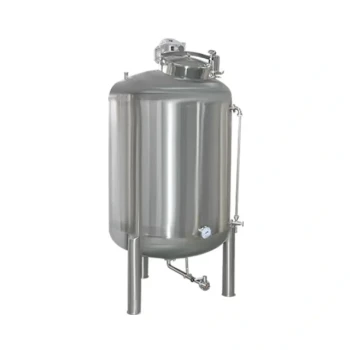
- Stainless Steel Honey Storage Tank with Lid for Honey
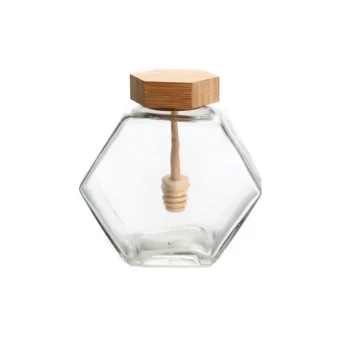
- Hexagonal Glass Honey Jar with Wooden Lid Integrated Dipper Elegant Functional Storage
- Stainless Steel Honey Storage and Settling Tank with Double Strainer
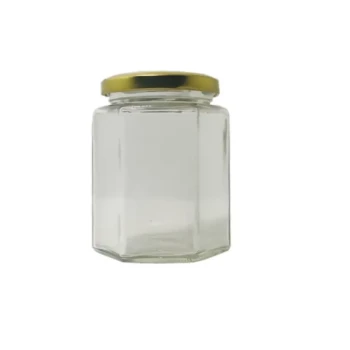
- Hexagonal Glass Honey Jars with Metal Lug Caps Elegant Versatile Packaging
- Professional Honey Storage Tank with Agitation System
People Also Ask
- What economic role do honey storage tanks play? Boost Your Revenue Through Strategic Inventory Management
- What roles do industrial honey storage tanks and filtration meshes play in processing? Ensure Purity & Consistency
- What is the purpose of a honey storage tank? Streamline Your Honey Processing for Quality & Efficiency
- What are honey storage tanks used for? Essential Features for Quality Preservation and Profit
- How do large honey storage tanks and gravity fall filling systems improve honey packaging efficiency and safety?