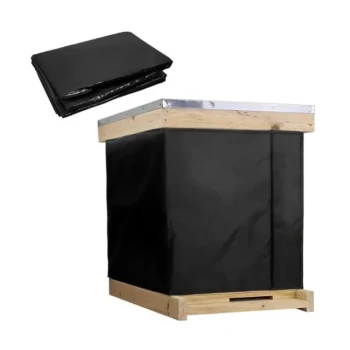
Beekeepers can provide extra insulation through two main methods: applying external wraps or utilizing specialized internal equipment. External options include materials like vinyl, foam, reflective bubble wrap, natural wool, and straw, while internal modifications involve adding quilt boxes or slatted racks to enhance the hive's thermal regulation.
The goal of hive insulation is to stabilize thermal properties while managing environmental exposure. Effective insulation does not just retain heat; it utilizes high R-value materials and structural equipment to protect the colony during cold, damp periods, typically from late October through February.
External Insulation Materials
Beekeepers often wrap the exterior of the hive or place insulation inside the outer cover to reduce heat loss. The choice of material impacts both thermal efficiency (R-value) and longevity.
High-Durability Synthetic Options
Foam insulation is a top choice for beekeepers prioritizing longevity and performance. It offers a high R-value (thermal resistance) and is highly durable, standing up well to harsh weather.
Reflective bubble wrap is another common synthetic material. While it provides only a moderate R-value, it is favored for being extremely easy to install.
Vinyl wraps and tar paper are also used to surround the hive. These serve primarily as windbreaks and external barriers against the elements.
Natural Insulation Options
Natural wool is an effective insulator that boasts a high R-value. However, it possesses only moderate durability compared to rigid foam or vinyl.
Straw wraps represent a more traditional approach. They provide a moderate R-value, but beekeepers must be aware that straw has lower durability and may require more frequent maintenance or replacement.
Specialized Internal Equipment
Beyond wrapping the outside, you can introduce specific equipment into the hive stack to improve its internal thermal dynamics.
Quilt Boxes
Quilt boxes are added to the hive stack to assist with insulation. By holding insulating materials directly above the colony, they help retain warmth rising from the bees.
Slatted Racks
Slatted racks are inserted near the bottom of the hive. They act as a buffer zone, improving thermal properties by distancing the brood nest from the cold entrance and moderating airflow.
Understanding the Trade-offs
When selecting insulation, you are often balancing thermal efficiency against ease of maintenance and material lifespan.
Durability vs. Performance
Materials like foam offer a "set it and forget it" solution due to their high durability. In contrast, straw and natural wool may require checking to ensure they haven't degraded or become waterlogged, despite their good insulating properties.
Seasonal Timing and Moisture
Insulation is generally utilized during specific windows, such as late October through February. While insulation helps during cold, damp nights, it must be managed carefully. Over-insulating or insulating at the wrong time without proper ventilation can lead to moisture buildup, which is often more deadly to bees than the cold itself.
Making the Right Choice for Your Goal
Select your equipment based on your local climate severity and your capacity for hive maintenance.
- If your primary focus is Maximum Thermal Protection: Choose foam insulation or natural wool for their high R-values to retain the most heat.
- If your primary focus is Ease of Installation: Opt for reflective bubble wrap, which is lightweight and simple to apply to the hive exterior.
- If your primary focus is Internal Regulation: Invest in quilt boxes and slatted racks to structurally improve the hive's ability to manage temperature fluctuations.
By combining durable external wraps with smart internal equipment, you provide your colony with the stability they need to survive the winter.
Summary Table:
| Insulation Category | Common Materials / Equipment | Thermal Value (R-Value) | Key Benefit |
|---|---|---|---|
| Synthetic Wraps | Foam Insulation, Reflective Bubble Wrap | High to Moderate | Durability & easy installation |
| Natural Wraps | Natural Wool, Straw Wraps | High to Moderate | Sustainable thermal efficiency |
| Internal Equipment | Quilt Boxes, Slatted Racks | N/A (Regulator) | Moisture control & thermal buffering |
| External Barriers | Vinyl Wraps, Tar Paper | Low | Effective windbreak & weather shield |
Secure Your Apiary’s Survival with HONESTBEE
Protecting your colonies requires more than just insulation; it requires precision-engineered equipment. As a leading partner for commercial apiaries and distributors, HONESTBEE provides a comprehensive wholesale catalog designed to scale your operations. From high-performance hive-making machinery to professional-grade beekeeping tools and consumables, we offer the industrial strength you need to thrive in any climate.
Ready to upgrade your wholesale supply? Contact us today to discover how our machinery and equipment can drive efficiency for your business and your customers.
Related Products
- Professional Insulated Plastic Bee Hives
- Professional Insulated Winter Hive Wrap for Beekeeping
- Inner Beehive Cover for Beekeeping Bee Hive Inner Cover
- Stainless Steel Round Beehive Air Vents for Ventilation
- Metal Hive Feet Bee Hive Stand for Ant Protection
People Also Ask
- What are the advantages of plastic bee hives? Boost Efficiency & Durability for Your Apiary
- Are plastic bee hives any good? Unlock Durability & Efficiency for Your Apiary
- How do plastic bee hives compare to wooden hives in handling? Reduce Strain & Boost Efficiency
- Are plastic bee hives good? Durable, Low-Maintenance Hives for Modern Apiaries
- What are the disadvantages of plastic beehives? Key Operational and Environmental Risks Exposed