To keep a bee smoker lit for an extended period, you must transition from fast-burning kindling to substantial, slow-burning fuel sources. The most reliable materials include pine needles, hay, tree bark, and grass clippings, while processed options like burlap strips, pellet-stove fuel, and untreated sisal twine provide excellent longevity.
The secret to a long-lasting smoker isn't just the spark; it is the deliberate transition from a starter flame to a dense, slow-smoldering fuel source that produces cool smoke without requiring constant relighting.
Natural Slow-Burning Fuels
Pine Derivatives
Pine is a staple in beekeeping due to its availability and resinous properties. Pine needles are the primary recommendation for a steady burn.
You can also use pine cones and pine shavings to add bulk to the fire. However, ensure you avoid sawdust, as it is too dense to allow necessary airflow.
Field Materials
Dried plant matter is excellent for maintaining a smolder. Hay and dried grasses are readily available and effective.
Grass clippings can also be used, provided they are dry enough to burn consistently without creating excessive steam.
Woody and Fibrous Plants
For a longer-lasting fire, denser plant materials are required. Tree bark provides a substantial fuel base that burns slowly.
Staghorn sumac bobs are another specific natural option known for their ability to hold an ember for extended periods.
Textiles and Processed Fuels
Burlap and Rope
Burlap is a traditional favorite among beekeepers. It can be cut into strips and added gradually to the canister.
Untreated sisal baling twine (coiled up) is another effective option. Ensure the twine is natural and not treated with preservatives.
Cotton and Paper Products
Scraps of all-cotton cloth serve as reliable fuel. Synthetic blends should be avoided as they melt rather than smolder.
Tightly rolled logs of paper or cardboard can be used to create a dense fuel "log."
Compressed Pellets
Pellet-stove fuel is a modern solution that offers high density. These wood pellets are designed to burn slowly and efficiently, making them ideal for long inspections.
Common Pitfalls and Trade-offs
Managing Heat Intensity
While burlap is a common fuel, it has a significant trade-off: it tends to burn hotter than natural vegetation.
If you use burlap, monitor the smoke temperature to ensure it does not distress the bees or singe their wings.
Chemical Contamination
When using paper or cardboard products, you must exercise caution regarding inks and glues.
Burning materials with heavy chemical treatments can release fumes that are harmful to both the beekeeper and the colony.
Airflow Restrictions
Fuel density is critical, but packing it too tight creates problems.
Sawdust is specifically advised against because it packs so densely that it chokes the fire, preventing the oxygen flow needed to keep the smoker lit.
Making the Right Choice for Your Goal
Select your fuel based on what is readily available and how long you need to work.
- If your primary focus is availability: Use pine needles, hay, or tree bark, as these can often be gathered on-site and provide a reliable, natural smoke.
- If your primary focus is burn duration: Opt for pellet-stove fuel or tightly rolled cardboard, as their density allows for a much longer burn time than loose vegetation.
- If your primary focus is safety: Avoid printed paper products and stick to untreated sisal twine or 100% cotton scraps to minimize chemical risks.
The best fuel is one that smolders coolly, lasts the duration of your inspection, and is free from toxic additives.
Summary Table:
| Fuel Type | Burn Duration | Availability | Key Advantage |
|---|---|---|---|
| Pine Needles | Moderate | High | Natural, cool smoke, easy to find |
| Wood Pellets | Very Long | Moderate | Highest density for long inspections |
| Burlap Strips | Long | Moderate | Traditional, easy to light and pack |
| Dried Hay/Grass | Short-Moderate | High | Excellent as starter or filler material |
| Sisal Twine | Long | Moderate | Clean burn, easy to coil in canister |
Maximize Your Apiary Efficiency with HONESTBEE
At HONESTBEE, we understand that professional beekeepers and distributors need reliable, high-performance tools to manage large-scale operations. From high-capacity bee smokers and specialized hive-making machinery to honey-filling equipment and industry-essential consumables, we provide a comprehensive wholesale portfolio designed for durability and ease of use.
Whether you are scaling your commercial apiary or supplying the next generation of beekeepers, our expert-grade hardware and honey-themed cultural merchandise offer the competitive edge your business deserves.
Ready to upgrade your beekeeping equipment? Contact us today to explore our wholesale solutions and see how we can streamline your honey production.
Related Products
- 54-Piece Smoker Fuel Pellets for Beekeeping Beehive Smoker Fuel
- Stainless Steel Electric Beehive Smoker for Beekeeping and Bee Keeper Use
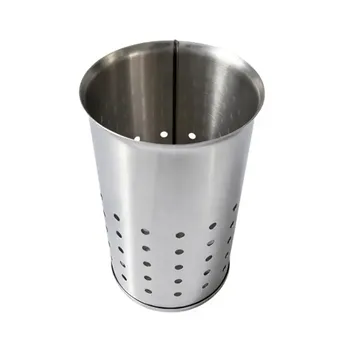
- Stainless Steel Perforated Inner Canister for Bee Smoker
- Stainless Steel Honey Bee Smoker Hive and Honeycomb Smoker for Beekeeping
- Premium Traditional Copper Bee Smoker with Bellows
People Also Ask
- What is the best bee hive smoker fuel? Choose Natural, Slow-Burning Fuel for Calm Bees
- What to put in a bee hive smoker? A Guide to Natural, Calming Fuels
- What fuels are recommended for beehive smokers? Master the Art of Calm, Controlled Inspections
- What type of fuel is best for smokers? Choose the Right Fuel for BBQ or Beekeeping
- What types of fuel can be used in a beekeeper's smoker? Best Options for Clean and Effective Smoke