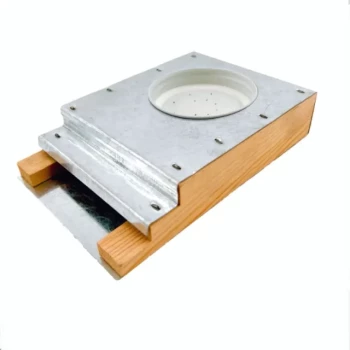
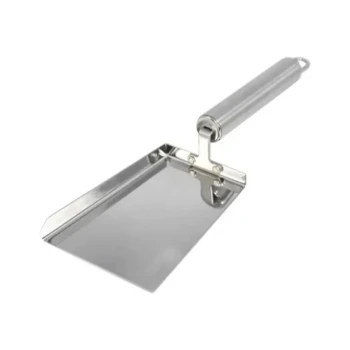
Pollen feeders are most effectively deployed during the transitional seasons of early Spring and early Fall. Specifically, beekeepers utilize them in March, April, and May to support the onset of brood rearing when natural resources are scarce, and again in August and September to supplement diet during seasonal dearths.
Timing is dictated by colony biology rather than the calendar; you are providing essential protein for larval development exactly when natural pollen is unavailable but brood rearing is necessary.
The Primary Feeding Window: Early Spring
Supporting the Brood Cycle
The most critical time for pollen feeding is early Spring, typically encompassing March, April, and May. This period marks the beginning of the colony's brood-rearing season.
Overcoming Environmental Lags
During these months, temperatures often rise enough to stimulate bee activity and the queen's laying instinct. However, few flowers may be blooming, creating a dangerous gap between the colony's protein needs and nature's supply.
The Secondary Feeding Window: Early Fall
Managing Seasonal Dearths
Beekeepers often reintroduce pollen substitutes in August and September. This period is frequently characterized by a "dearth," where summer blooms have faded, but fall flows have not yet begun.
Preparing for Winter
Feeding during this window ensures the colony has enough protein to rear healthy "winter bees." These bees require substantial fat bodies and protein reserves to survive the coming cold months.
Understanding the Risks of Improper Timing
The Danger of Winter Feeding
It is vital to avoid feeding pollen in late autumn or mid-winter. Introducing protein too early can trigger unseasonal brood rearing, causing the colony to produce bees that are superfluous to the hive's current needs.
Resource Depletion
These unnecessary bees consume valuable honey stores that the colony relies on for survival. Furthermore, they accelerate the consumption of pollen, depleting stocks meant for the true spring build-up.
Physiological Stress
Bees generated during unseasonal rearing must eventually leave the hive to defecate. If the weather is too cold for flight, this creates severe sanitation and health issues within the hive.
Equipment Considerations
Keeping Feed Dry
When using a container for dry pollen, it is imperative to keep the feed dry to prevent spoilage. Moisture can quickly ruin pollen substitutes, turning them into a waste of resources.
Allowing for Manipulation
The feeder design must provide ample internal space. Foraging bees require room to physically manipulate the dry dust, rolling it into their pollen baskets before returning to the colony.
Making the Right Choice for Your Goal
To apply this to your apiary management, align your feeding schedule with your specific colony objectives:
- If your primary focus is rapid spring buildup: initiate feeding in March to fuel larval growth before the first major nectar flow.
- If your primary focus is winter survival: stop feeding by late autumn to prevent the production of excess mouths that drain honey reserves.
Successful pollen feeding is not just about providing food; it is about synchronizing your inputs with the colony's natural reproductive rhythm.
Summary Table:
| Season | Timing | Primary Purpose | Key Benefit |
|---|---|---|---|
| Early Spring | March - May | Support brood rearing onset | Bridges the gap between queen laying and natural blooms |
| Early Fall | August - September | Manage seasonal dearths | Builds fat bodies in 'winter bees' for survival |
| Winter | Late Autumn - Jan | Avoid Feeding | Prevents unseasonal brood and honey store depletion |
Maximize Your Apiary Productivity with HONESTBEE
At HONESTBEE, we understand that timing is everything in beekeeping. As a dedicated partner to commercial apiaries and distributors, we provide the high-quality equipment you need to execute precise feeding schedules and manage colony health effectively.
Our comprehensive wholesale portfolio includes:
- Professional Feeding Systems: Durable pollen and syrup feeders designed to keep resources dry and accessible.
- Advanced Machinery: Hive-making and honey-filling machines to scale your operations.
- Beekeeping Essentials: A full spectrum of tools, hardware, and industry consumables.
Whether you are expanding a commercial fleet or stocking a distribution network, our expert-grade tools ensure your colonies thrive through every seasonal transition.
Ready to elevate your beekeeping operations? Contact us today to explore our wholesale solutions!
Related Products
- Removable Plastic Pollen Trap With Ventilated Tray for Bees Pollen Collector
- Plastic Bee Pollen Trap Strips Comb Catcher Collector
- 30 cm Plastic Entrance Hole Bee Pollen Trap and Collector
- Stainless Steel Pollen Shovel with Wooden Handle
- HONESTBEE Entrance Bee Feeder Efficient Hive Front Liquid Feeding Solution for Beekeeping
People Also Ask
- What are the design principles and advantages of pollen traps in the collection of bee pollen? Boost Your Apiary Yield
- What is the function of professional pollen traps in evaluating honey plants? Quantifying Pollination and Crop Potential
- What functions do pollen traps serve for bee bread production? Optimize Your Raw Material Collection
- What maintenance and pest prevention measures should be taken for pollen traps? Protect Your Hive and Harvest Quality
- How does the use of pollen traps in honeybee hives enhance crop fertilization? Boost Your Yield Through Induced Activity