The most appropriate time to mark a newly hatched queen bee is only after she has completed her mating flights and successfully begun laying eggs. You must strictly avoid marking a virgin queen or one that is still in the process of establishing her dominance and routine within the hive. Waiting until the colony has settled ensures the queen is recognized as the reproductive center of the hive, significantly reducing the risk of rejection.
Core Takeaway Marking a queen before she is fully established and laying eggs introduces a foreign scent that can trigger the colony to reject or kill her ("balling"). You must verify the presence of eggs and young larvae to confirm she has successfully mated and been accepted before attempting to mark her.
The Critical Importance of Timing
Wait for Mating Completion
A newly hatched queen is a virgin queen. She must leave the hive for mating flights to become reproductive. Marking her before these flights can hinder her agility or make her more visible to predators.
Ensure Colony Acceptance
The colony must fully accept the queen before you introduce the stress of handling and the foreign odor of paint. If the colony has not yet settled into a routine with the new queen, the disturbance of marking can break their fragile bond.
Verify Egg Laying
The definitive sign that a queen is ready to be marked is the presence of eggs and larvae. This proves she is mated, physically capable, and actively performing her role in the colony.
Assessing the Right Conditions
The 7-to-10 Day Rule
After a new queen emerges or is released, you should perform a check approximately seven to ten days later. This window usually provides enough time for her to mate and begin laying, allowing you to visually confirm her status.
Choose Pleasant Weather
You should only attempt to find and mark the queen on days with comfortable, pleasant weather. Favorable conditions keep the general population of the hive calmer, reducing the aggregate stress on the queen during the procedure.
Understanding the Trade-offs and Risks
The Risk of Rejection (Balling)
The primary trade-off of marking is the risk of "balling," where worker bees surround and overheat the queen to kill her. This is most likely to happen if the queen is marked too early, as the paint scent masks her pheromones before they are strong enough to command the colony.
The Risk of Physical Injury
Handling a queen requires precision; checking her too early when she is flighty increases the chance of crushing her or damaging her legs. Furthermore, if paint is accidentally applied to her eyes, antennae, or wings, she may be rendered sensory-blind or unable to function, leading to immediate supersedure (replacement) by the colony.
Tools vs. Hand Marking
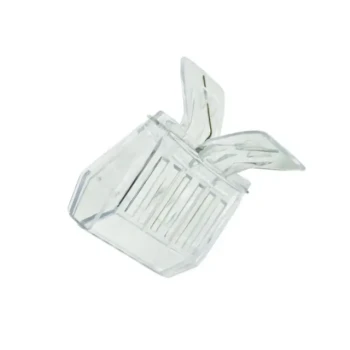
While experienced beekeepers may use their fingers, using a push-in marking cage is generally safer for the queen. It minimizes direct pressure and restrains her movement effectively, reducing the margin for error during the application.
Making the Right Choice for Your Goal
To ensure the longevity and productivity of your hive, base your timing on the specific status of the queen.
- If your primary focus is Queen Safety: Wait until you see capped brood (larvae) rather than just eggs, as this confirms the colony is fully invested in her offspring.
- If your primary focus is Accurate Records: Mark the queen immediately after confirming the first clutch of eggs to ensure you can track her age and prevent confusion with future supersedure queens.
- If your primary focus is Skill Development: Practice holding and marking drones first to build dexterity before attempting to handle a valuable queen.
Patience is your most valuable tool; a marked queen is useless if the process causes the colony to reject her.
Summary Table:
| Factor | Virgin Queen Stage | Mated & Laying Stage |
|---|---|---|
| Colony Acceptance | Low / Fragile | High / Established |
| Mating Status | Unmated (Incomplete) | Successfully Mated |
| Handling Risk | High (Flighty/Fragile) | Lower (Calmer) |
| Primary Risk | Balling or Predation | Physical Injury during Marking |
| Recommendation | Do Not Mark | Recommended Time to Mark |
Maximize Your Apiary’s Success with HONESTBEE
Precise queen management is the cornerstone of a productive colony, and having the right tools makes all the difference. HONESTBEE is dedicated to supporting commercial apiaries and distributors with a comprehensive range of professional beekeeping solutions.
From safe marking cages and precision tools to advanced honey-filling machines and hive-making equipment, we provide everything you need to scale your operations. Whether you are stocking essential consumables or investing in industrial-grade machinery, our wholesale offerings are designed to deliver maximum value to your business.
Ready to upgrade your beekeeping equipment?
Contact Us Today to explore our full catalog and see how HONESTBEE can help your business thrive!
Related Products
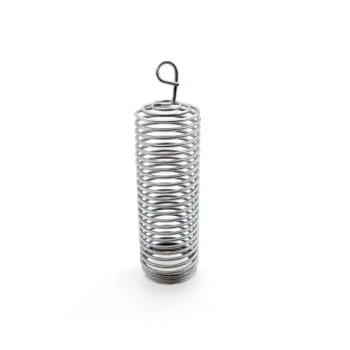
- Durable Galvanized Steel Spring Queen Bee Cage
- Portable Queen Bee Incubator with 12V Car Adapter for Safe Transport
- Professional Queen Bee Introduction and Transport Cage
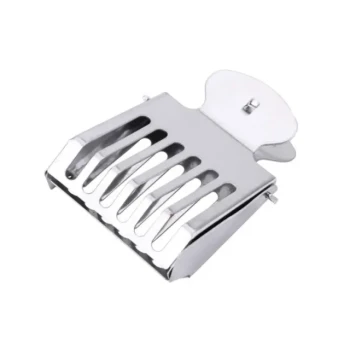
- Heavy Duty Stainless Steel Queen Bee Catcher Clip
- Classic Wooden and Mesh California Queen Cage
People Also Ask
- Why are specialized queen bee cages used for the banking of mated queen bees? Maximize Commercial Apiary Storage Efficiency
- What is the mechanism of action for using temporary queen bee cages? Master Successful Queen Introduction
- What is the step-by-step process for installing a queen bee's cage onto a frame? Ensure Hive Acceptance Safely
- What is the optimal placement for a queen bee cage? Essential Strategies for Successful Re-queening
- What are the advantages and disadvantages of introducing a queen bee by embedding the cage? Boost Your Queen Acceptance