The vast majority of beeswax gathered by beekeepers originates from the thin "cappings" that bees create to seal ripened honey into the honeycomb. During the honey harvest, these wax seals must be sliced off to access the honey inside, making these discarded caps the primary source of commercial beeswax.
Core Takeaway: While bees build their entire hive structure from wax, beekeepers primarily harvest the wax "lids" removed during honey extraction. Harvesting the structural comb itself is avoided because it forces bees to waste energy rebuilding rather than making honey.
The Primary Source: Wax Cappings
The Extraction Byproduct
When beekeepers pull frames from a hive, the honey is sealed behind a thin layer of fresh wax.
To extract the honey, beekeepers slice this layer off using a hot knife or uncaping fork.
These "cappings" are collected, melted, and filtered, serving as the main source of high-quality beeswax.
Why Cappings are Preferred
This wax is typically the newest and cleanest wax in the hive.
It is distinct from the darker, tougher wax found in the brood nest where bees raise their young.
Secondary Sources within the Hive
Excess "Burr" Comb
Bees will often build wax bridges between hive boxes or on top of wooden frames where it does not belong.
Beekeepers scrape this excess wax, known as "burr comb," during routine inspections to keep the equipment fitting together correctly.
While smaller in volume than cappings, this scraped wax is collected and processed.
Recovered Comb from Dead Colonies
If a colony collapses or dies out, the beekeeper may choose to render down the old combs.
This allows the beekeeper to salvage the wax resource from a lost hive.
Understanding the Trade-offs
The Metabolic Cost of Wax
Producing wax is an energy-intensive process for honeybees.
Bees must consume a significant amount of honey to stimulate their wax glands to secrete tiny wax scales.
Preserving the "Furniture"
Because wax is so "expensive" for bees to make, beekeepers try to preserve the structural honeycomb whenever possible.
By slicing off only the cappings and leaving the cell walls intact, beekeepers allow the bees to refill the comb immediately.
Crushing the entire comb for wax would drastically reduce the hive's honey production capability for the season.
Making Sense of Beeswax Value
Understanding the origin of beeswax helps in assessing its value and sustainable use.
- If your primary focus is purity: Seek wax derived specifically from cappings, as this is the freshest and lightest wax produced by the colony.
- If your primary focus is sustainability: Remember that beeswax is a high-cost biological product for the bee; it should be treated as a precious resource rather than a bulk commodity.
Beeswax is not merely a material; it is a preserved form of the hive's energy and labor.
Summary Table:
| Source Type | Origin in Hive | Quality Level | Harvesting Method |
|---|---|---|---|
| Wax Cappings | Seals over ripe honey | Highest (Cleanest/Lightest) | Sliced off during honey extraction |
| Burr Comb | Bridges between frames | Variable | Scraped during routine inspections |
| Recovered Comb | Structural walls of old hives | Lower (Darker/Tougher) | Rendered from dead or retired colonies |
| Metabolic Cost | Secreted by bee glands | Premium Biological Resource | Requires heavy honey consumption by bees |
Elevate Your Apiary with HONESTBEE Professional Solutions
Maximizing your wax and honey yield requires the right tools. HONESTBEE specializes in supporting commercial apiaries and distributors by providing a comprehensive range of high-performance beekeeping machinery and essential consumables.
From precision uncapping machines that harvest the finest cappings to industrial honey-filling lines and specialized hive-making equipment, our portfolio is designed to enhance your operational efficiency and product quality.
Ready to scale your beekeeping business? Contact us today to explore our wholesale offerings and discover how our expertise can streamline your production from hive to market.
Related Products
- Beeswax Foundation Sheets Beehive Foundation for Wholesale
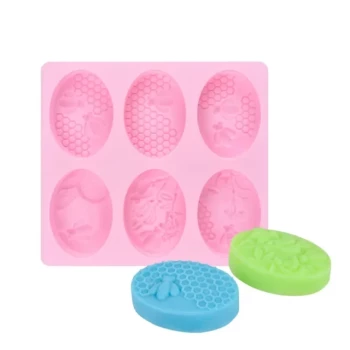
- Colorful Silicone Beeswax Foundation Mold Mould for Beekeeping
- Economy Manual Beeswax Embossing Mill Wax Foundation Machine Roller
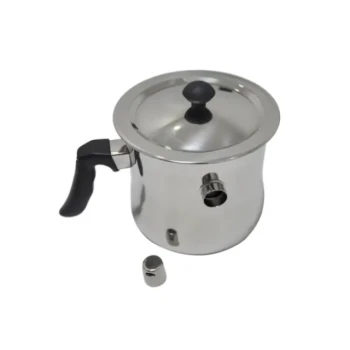
- Beeswax Melter for Candle Making Honey Bee Wax Melter
- Electric Beeswax Flat Sheet Machine with Operating Tray for Wax Processing
People Also Ask
- What are the technical advantages of beeswax foundations and feeding tools? Optimize Your Bee Breeding Phase
- Why is the regular exchange and replacement of beeswax foundations encouraged? Boost Honey Yield & Hive Biosafety
- What are the negative consequences of using old or contaminated beeswax in foundations? Protect Your Hive Today
- Why is high-purity natural beeswax essential for foundations? Prevent Larval Mortality & Boost Colony Health
- What are the specific advantages of regular comb replacement? Boost Hive Health with New Beeswax Foundations