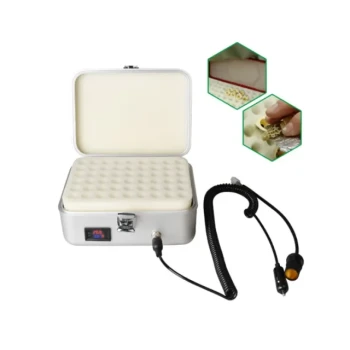
To secure the long-term preservation of bee specimens, you must utilize a specific combination of dehydration tools, chemical fixatives, and environmental controls. The essential materials include desiccators paired with chemical desiccants for rapid drying, industrial-grade glass vials containing high-concentration ethanol for tissue fixation, and high-density storage boxes or -20°C freezers to protect against physical degradation and pests.
Core Insight: The integrity of a bee specimen is determined in the first few hours after collection. Whether your goal is dry mounting for museum display or wet preservation for genetic analysis, the primary objective is identical: rapid arrest of biological decay by removing moisture or chemically fixing tissues to prevent fungal growth and cellular breakdown.
Equipment for Dry Preservation and Morphology
The primary method for morphological analysis and museum archiving involves removing moisture while maintaining the specimen's physical form.
Rapid Dehydration Systems
To prevent fungal growth and rot, you must remove internal moisture quickly. Desiccators are the standard vessels used for this process.
Chemical Desiccants
Desiccators must be used in conjunction with strong chemical desiccants. These agents actively pull moisture from the specimen, facilitating rapid dehydration that preserves the natural color and anatomical features necessary for identification.
High-Density Storage Containers
Once dried, specimens require protection from environmental pests. High-density specimen boxes and insect-proof consumables are critical to creating a barrier against dermestid beetles and other museum pests that destroy dried insect collections.
Materials for Wet Preservation and Tissue Fixation
For projects requiring internal dissection or DNA preservation, "wet" storage prevents the brittleness associated with drying.
Chemical Fixatives
Ethanol (specifically 95% concentration) is the industry standard for fixation. It acts as both a preservative and a fixative, effectively halting biochemical degradation and preventing the decay of soft tissues.
Specialized Containment Vessels
Industrial-grade glass sample vials or universal sample bottles are required to hold the ethanol and specimen. Glass offers high chemical stability, preventing sample contamination, while a secure seal is vital to prevent the evaporation of the preservative fluid.
Thermal Control Equipment
Temperature regulation is a critical layer of protection, particularly for specimens stored in ethanol or those destined for genetic sequencing.
Field-to-Lab Cold Chain
Portable refrigeration is vital immediately after field collection to prevent initial biological degradation. Once in the laboratory, -20°C freezers are standard equipment for long-term storage.
Stability Maintenance
Low-temperature storage serves two functions: it inhibits the evaporation of ethanol in wet samples and slows down chemical degradation. Consistent low temperatures prevent the embrittlement or deformation of anatomical parts often caused by fluctuating environmental temperatures.
Understanding the Trade-offs
While both methods preserve the specimen, the choice of equipment dictates the future utility of the sample.
Dry vs. Wet Preservation Risks
Dry preservation (desiccators) is superior for maintaining exoskeleton rigidity and color for visual identification, but it renders internal soft tissues brittle and unsuitable for dissection. Conversely, wet preservation (ethanol/freezers) maintains tissue flexibility and DNA integrity but can alter colors and requires constant monitoring of fluid levels to prevent desiccation.
Temperature Fluctuations
A common pitfall is storing samples in areas with unstable temperatures. Fluctuations can lead to physical deformation of the specimen or rapid evaporation of fixatives, compromising accurate morphometric analysis (such as head length measurements).
Making the Right Choice for Your Goal
Select your equipment based on the specific end-use of the data you intend to collect.
- If your primary focus is Museum Archiving or Visual Identification: Prioritize desiccators and chemical desiccants to ensure rapid dehydration that locks in color and prevents fungal growth.
- If your primary focus is Genetic Analysis or Dissection: Prioritize 95% ethanol, glass vials, and -20°C freezers to maintain DNA integrity and tissue pliability.
The ultimate value of a specimen lies not in its capture, but in the rigorous stability of its storage environment.
Summary Table:
| Equipment Category | Primary Tools | Preservation Goal |
|---|---|---|
| Dry Preservation | Desiccators, Chemical Desiccants | Morphological analysis & museum archiving |
| Wet Preservation | 95% Ethanol, Industrial Glass Vials | Genetic analysis & soft tissue dissection |
| Storage & Protection | High-density specimen boxes, -20°C Freezers | Prevention of pest damage & cellular decay |
| Field Collection | Portable refrigeration, Universal sample bottles | Arresting biological decay immediately post-capture |
Elevate Your Apiary Management with HONESTBEE
At HONESTBEE, we understand that precision is vital for commercial apiaries and distributors. Whether you are preserving specimens for research or scaling your operations, we provide a comprehensive wholesale range of high-quality beekeeping tools, specialized hive-making machinery, and honey-filling equipment.
Our portfolio is designed to support every stage of the industry—from essential consumables to honey-themed cultural merchandise. Let us help you enhance your efficiency and product quality with our professional-grade hardware and industry expertise.
Ready to scale your beekeeping business? → Contact HONESTBEE Today for Wholesale Solutions
References
- Cecilia N. Gascon, Maynard M. Vitoriano. Diversity and spatial distribution of native bees in Mt. Banahaw de Lucban, Philippines. DOI: 10.2478/foecol-2023-0003
This article is also based on technical information from HonestBee Knowledge Base .
Related Products
- White Cotton Beekeeping Jacket and Veil for Bee Keepers
- Metal Hive Feet Bee Hive Stand for Ant Protection
- Durable Galvanized Steel Frame Grip
- Plastic Beekeeping Honey Bee Larvae Grafting Tools for Queen Rearing and Chinese Grafting
- Stainless Steel Queen Grafting Tool for Beekeeping and Bee Queen Grafting
People Also Ask
- What are the features of an economical beekeeping jacket? Essential Protection for Budget-Conscious Beekeepers
- What are the pros of using a beekeeping jacket? Unlock Superior Comfort and Mobility for Your Apiary
- What factors should a new beekeeper consider when choosing between a jacket and a full suit? Security vs. Comfort
- What are the advantages of a beekeeping jacket? Superior Mobility & Comfort for Routine Hive Inspections
- When is a beekeeping jacket considered a more suitable choice than a full suit? Optimize Your Apiary Mobility