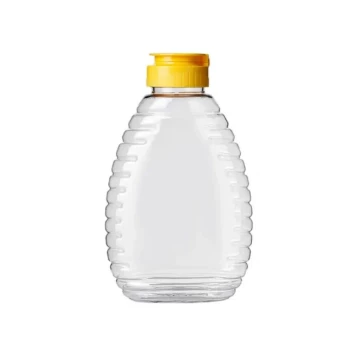
Air-tight sterile plastic containers are mandatory for collecting raw honey to strictly maintain the sample's chemical and biological integrity. These containers serve two immediate critical functions: they prevent the honey from absorbing atmospheric moisture—which triggers spoilage—and they block external bacteria from contaminating the sample, ensuring that laboratory analysis reflects the honey's true condition at the apiary.
Core Takeaway: The reliability of any honey analysis depends entirely on preventing "drift" from the collection site to the lab. Air-tight sterile containers are the primary defense against hygroscopic moisture absorption (which leads to fermentation) and secondary microbial contamination, ensuring data validity.
The Critical Role of Moisture Control
Combating Hygroscopy
Honey is highly hygroscopic, meaning it naturally attracts and absorbs moisture from the surrounding environment.
If a container is not air-tight, the honey will pull water vapor from the air. This alters the sample's moisture content, leading to inaccurate physicochemical measurements in the laboratory.
Preventing Premature Fermentation
The stability of raw honey is directly tied to its water content.
When honey absorbs external moisture, the environment becomes favorable for yeast activity. This triggers premature fermentation, which changes the chemical composition of the sample and ruins its validity before testing can occur.
Ensuring Biological and Chemical Accuracy
Establishing a Sterile Baseline
The use of sterile containers is non-negotiable for accurate microbial profiling.
Using non-sterile containers introduces external microorganisms (bacteria, molds, or yeast) that were not present in the original hive. This causes "cross-contamination," making it impossible to distinguish between the honey's natural sanitary status and external pollutants.
Preserving Volatile Compounds
Honey contains delicate aromatic compounds that define its sensory profile, particularly in varietals like chestnut honey.
Air-tight sealing prevents these volatile aromatic substances from evaporating. It simultaneously blocks the intrusion of external odors, ensuring the honey's scent and flavor profile remain authentic to the production site.
Material Inertness
The containers are typically made of Polyethylene or similar industrial-grade plastics because they are chemically inert.
Unlike reactive materials, inert plastic ensures the container does not leach chemicals into the sample or react with the honey's natural acids. This guarantees that the physicochemical properties analyzed in the lab are stable and unaltered by the packaging.
Understanding the Trade-offs
The Risk of Improper Seals
Even a minor breach in the seal can compromise the sample. While the plastic may be sterile, a loose cap allows for moisture exchange, rendering the sample useless for fermentation analysis. The seal is just as critical as the material itself.
Storage Conditions vs. Container Quality
While air-tight containers are essential, they are not a substitute for proper temperature control.
References indicate that containers should ideally be paired with low-temperature storage (4–15 °C). Relying solely on the container without controlling temperature may still allow enzymatic changes, specifically in long-term storage scenarios.
Making the Right Choice for Your Goal
To ensure your sampling protocols yield valid data, align your container choice with your specific analytical focus:
- If your primary focus is Chemical Analysis (Moisture/Sugar): Prioritize the air-tight seal quality above all else to prevent hygroscopic absorption and fermentation.
- If your primary focus is Microbial Safety: Prioritize certified sterile containers to ensure strictly zero cross-contamination from the environment.
Ultimately, the container is not just a vessel; it is a preservation tool that freezes the biological and chemical state of the honey the moment it leaves the hive.
Summary Table:
| Feature | Function in Honey Sampling | Primary Benefit |
|---|---|---|
| Air-tight Seal | Blocks atmospheric moisture & prevents evaporation | Prevents fermentation & preserves volatile aromas |
| Sterile Interior | Eliminates external bacteria, yeast, and molds | Ensures accurate microbial profiling without cross-contamination |
| Inert Plastic | Prevents chemical reactions with honey acids | Maintains physicochemical stability and prevents leaching |
| Hygroscopic Shield | Stops the attraction of environmental water vapor | Maintains precise moisture content for laboratory analysis |
Elevate Your Apiary Operations with HONESTBEE
At HONESTBEE, we understand that maintaining the purity of honey—from the hive to the lab—is critical for commercial success. We provide professional-grade beekeeping tools, advanced honey-processing machinery, and high-quality industrial consumables designed specifically for commercial apiaries and global distributors.
Whether you need precision honey-filling machines to ensure airtight seals or specialized hardware to scale your production, our comprehensive wholesale portfolio has you covered. Partner with us to enhance your product quality and operational efficiency.
Ready to upgrade your equipment?
Contact our expert team today to discuss your wholesale needs!
References
- Waykar Bhalchandra, Mahesh A Joshi. Physicochemical properties of blended raw honey samples collected from three different locations of Kannad taluka of Aurangabad district (MS), India. DOI: 10.22271/j.ento.2021.v9.i2i.8534
This article is also based on technical information from HonestBee Knowledge Base .
Related Products
- Classic Drum Shaped Glass Honey Jar with Airtight Lid
- Squeezable No-Drip Beehive-Shaped Honey Jars with Flip-Top Cap
People Also Ask
- What is the best utensil to store honey? Preserve Purity with the Right Container
- How does the appearance of glass jar packaging affect the sales and perception of honey? Boost Your Premium Brand Value
- Why is a glass jar preferred for packaging honey? Ultimate Protection for Purity & Flavor
- What is the aesthetic appeal of using glass jars for honey? Elevate Your Brand with Premium Packaging
- What are the advantages of glass containers for honey? Elevate Quality and Market Value with Premium Packaging