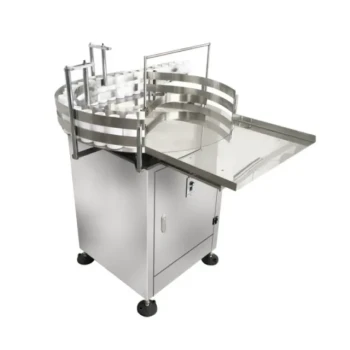
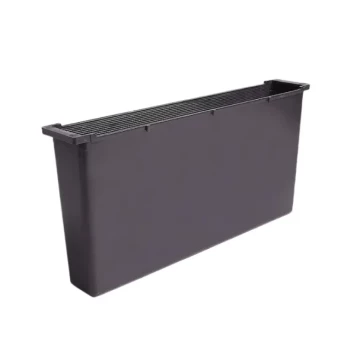
Automated feeding systems represent the backbone of modern, high-density apiary management. In large-scale operations, these systems are necessary to ensure colonies receive precise, balanced nutrition during periods of nectar scarcity or overwintering without the unsustainable labor costs associated with manual intervention. By integrating with hive sensors, they automatically adjust nutritional delivery based on real-time data, ensuring consistent colony strength across thousands of units.
Automated feeding transforms nutrition management from a reactive, labor-intensive chore into a proactive, standardized process. It safeguards the apiary's most valuable asset—the bees—by eliminating human error and logistical bottlenecks during critical survival periods.
The Operational Necessity of Automated Feeding
Precision Nutrition Management
In a large commercial setting, relying on natural forage is unpredictable. Automated systems guarantee balanced nutrition specifically during times of nectar scarcity or the critical overwintering months. This consistency prevents colony collapse due to starvation, stabilizing the apiary's population year-round.
The Digital Feedback Loop
Modern feeding systems operate within a digital beekeeping framework. Unlike static manual feeders, these systems utilize feedback from beehive sensors to monitor the colony's status. They automatically adjust the supply of nutritional supplements, ensuring the bees receive exactly what they need, when they need it, rather than relying on a "one-size-fits-all" schedule.
Standardization Across the Apiary
Managing thousands of hives introduces massive variability. Automated feeding ensures standardized nutritional management, leveling the playing field for every colony in the operation. This uniformity is crucial for maintaining overall operational stability and predicting harvest outcomes accurately.
Scaling Operations Without Scaling Labor
Drastically Reducing Labor Intensity
Manual feeding is one of the most time-consuming tasks in beekeeping. Automation significantly reduces this labor intensity, allowing a small team to manage a vastly larger number of hives effectively. This shift changes the economic model of the apiary, moving away from labor costs and toward asset efficiency.
Reallocating Focus to Core Health
By streamlining the feeding process, beekeepers can redirect their efforts toward high-value management tasks. Similar to how automated processing lines free up time for Varroa mite treatments, automated feeding allows staff to focus on disease prevention and pest management, which are critical for reducing winter mortality rates.
Understanding the Trade-offs
High Initial Capital Expenditure
Implementing these systems requires a significant upfront investment in hardware and sensor infrastructure. While the long-term ROI is found in labor savings and colony survival, the initial financial barrier can be substantial for growing operations.
Dependency on Technical Reliability
Moving to a sensor-based system creates a dependency on technology. Malfunctions in sensors or dispensing mechanisms can lead to underfeeding or overfeeding if not monitored. Regular technical maintenance becomes just as important as biological maintenance.
Reduced Visual Inspection
Manual feeding forces a beekeeper to visit the hive, providing an opportunity for visual health checks. Automated systems reduce these touchpoints. Operators must ensure they do not become complacent and rely solely on data, as physical inspections remain necessary to catch issues sensors might miss.
Making the Right Choice for Your Goals
To determine how best to integrate automated feeding into your specific operation, consider your primary objectives:
- If your primary focus is Colony Survival: Prioritize systems with high-sensitivity sensors that can detect micro-changes in hive weight and activity to prevent starvation during overwintering.
- If your primary focus is Operational Efficiency: Focus on systems that offer centralized control dashboards, allowing you to manage nutritional deployment across thousands of hives with minimal staff.
Automation is not merely a convenience; it is the infrastructure required to transition beekeeping from a craft to a scalable, predictable industry.
Summary Table:
| Feature | Manual Feeding | Automated Feeding System |
|---|---|---|
| Labor Intensity | High (Time-consuming) | Low (Centralized control) |
| Precision | Subjective / Scheduled | Data-driven (Sensor-based) |
| Scalability | Limited by workforce size | Highly scalable across thousands of units |
| Operational Cost | High recurring labor costs | High initial CAPEX; low operational cost |
| Risk Management | Prone to human error | Dependent on technical reliability |
Maximize Your Apiary’s Potential with HONESTBEE
Transitioning to a large-scale commercial operation requires more than just bees—it requires industrial-grade reliability. HONESTBEE specializes in supporting commercial apiaries and distributors with a comprehensive wholesale range of beekeeping tools, machinery, and essential consumables.
Whether you need precision hive-making machines, high-efficiency honey-filling lines, or specialized hardware to integrate automation into your workflow, we provide the infrastructure you need to scale. Our portfolio is designed to reduce your labor costs and stabilize your colony health, ensuring your business remains competitive in a global market.
Ready to elevate your beekeeping efficiency? Contact HONESTBEE today to discuss our wholesale equipment solutions and how we can support your growth.
References
- Zehra Alakoç Burma. Digital Transformation in Beekeeping to Carrying Beehives into the Future. DOI: 10.47947/ijnls.1372420
This article is also based on technical information from HonestBee Knowledge Base .
Related Products
- Automated Rotary Bottle Unscrambler for Honey Production Line
- HONESTBEE Professional Hive Top Bee Feeder Feeding Solution
- HONESTBEE Entrance Bee Feeder Efficient Hive Front Liquid Feeding Solution for Beekeeping
- Classic Boardman Entrance Bee Feeder Hive Front Feeding Solution
- Rapid Bee Feeder White Plastic 2L Round Top Feeder for 8 or 10-Frame Bee Hives
People Also Ask
- How does a rotational viscometer contribute to the quality assessment of honey? Ensure Perfect Texture and Flow
- How does the improper operation of Knapsack Sprayers impact beekeeping? Protect Colony Health & Equipment Integrity
- What types of products are best suited for a gravity-fed volumetric filling system? Optimize Your Honey Packaging
- How does the use of a laboratory vortex mixer with a multi-tube adapter improve bee pathogen detection throughput?
- What is the role of the mortar and pestle in the initial preparation of propolis extracts? Maximize Bioactive Recovery