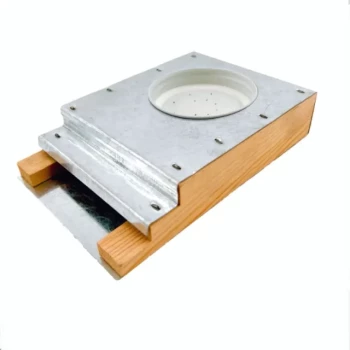
Bee feeders are fundamental survival instruments that allow beekeepers to sustain a colony when natural resources fail to meet the hive's nutritional demands. They serve as the primary mechanism for delivering sugar syrup or nutritional supplements, ensuring that both new and established colonies can survive critical periods of food scarcity.
The Core Insight A bee feeder is not merely a backup device; it is a proactive management tool. It bridges the gap between the colony's energy requirements and the environment's ability to provide nectar, specifically safeguarding the hive during establishment and seasonal dearths.
The Critical Role of Supplemental Feeding
Jumpstarting New Colonies
The most immediate necessity for a bee feeder arises when establishing a new hive. A fresh colony does not yet have the infrastructure or food stores required to sustain itself independently.
Feeders provide the energy required for growth. New bees need a consistent caloric intake to produce wax, build comb, and raise the first cycles of brood.
Without this early intervention, a new colony may struggle to gain the momentum needed to survive its first season. The feeder ensures they get off to a "strong start" regardless of immediate local bloom conditions.
Surviving Resource Scarcity
Established hives are generally self-sufficient, but they are not immune to environmental fluctuations. There are times when natural food sources—nectar and pollen—are scarce or non-existent.
Feeders act as a lifeline during "deahts." A dearth is a period during the active season when flowers are not producing enough nectar.
Without supplemental feeding, a populous colony can consume its reserves rapidly and face starvation. Feeders allow the beekeeper to provide liquid feed or supplements to keep the population healthy until natural forage returns.
Winter Survival
The supplementary data highlights winter as a second critical period for feeder usage. As temperatures drop and foraging ceases, the colony relies entirely on stored food.
If a hive enters the cold months with insufficient honey stores, a feeder is the only way to introduce necessary carbohydrates. This intervention prevents starvation during the time the colony is most vulnerable.
Understanding the Equipment Landscape
Variety in Design
Because feeding needs vary, the equipment landscape is diverse. Options range from simple, homemade devices to commercial feeders designed to hold large volumes of liquid.
Scalability
The choice of feeder often depends on the specific goals of the apiary. Some are designed for slow, stimulative feeding, while others allow for rapid uptake of heavy syrup for winter storage.
Operational Trade-offs: The Importance of Monitoring
Avoiding Unnecessary Intervention
While feeders are essential, they should not be used indiscriminately. It is vital to recognize that feeders are intended to supplement, not permanently replace, natural foraging.
The Risk of Over-reliance
Supplementary references advise that every beekeeper should monitor for food shortages before implementing a bee feeder.
Feeding when natural nectar is abundant can lead to the hive becoming "honeybound" (where the queen runs out of room to lay eggs because cells are filled with syrup) or can contaminate honey meant for human harvest.
Making the Right Choice for Your Goal
To use bee feeders effectively, align your usage with the specific lifecycle stage of your colony:
- If your primary focus is starting a new hive: Prioritize consistent feeding immediately upon installation to drive comb building and population growth.
- If your primary focus is winter preparation: Assess your hive's weight and stores late in the season, using a feeder to bulk up food supplies before the cold sets in.
- If your primary focus is maintaining established hives: Monitor local bloom cycles and only deploy feeders during clear nectar dearths to prevent starvation.
By treating the bee feeder as a precise tool rather than a passive accessory, you ensure the longevity and productivity of your apiary.
Summary Table:
| Feeding Scenario | Primary Goal | Recommended Benefit |
|---|---|---|
| New Colony Setup | Infrastructure Development | Provides energy for wax production and comb building. |
| Seasonal Dearth | Population Maintenance | Prevents starvation when natural nectar sources are unavailable. |
| Winter Preparation | Resource Accumulation | Allows hives to bulk up carbohydrate stores for cold months. |
| Spring Stimulation | Brood Rearing | Encourages the queen to lay eggs early in the season. |
Elevate Your Apiary's Resilience with HONESTBEE
At HONESTBEE, we understand that the right equipment is the difference between a thriving hive and a struggling one. We cater to commercial apiaries and distributors with a comprehensive wholesale offering designed to scale your operations efficiently.
Our portfolio includes everything from precision bee feeders and beekeeping tools to industrial-grade hive-making and honey-filling machines. Whether you are looking for essential consumables or honey-themed cultural merchandise, we provide the full spectrum of equipment to support your success.
Partner with HONESTBEE today to secure high-quality supplies for your business.
Contact Us to Discuss Wholesale Solutions
Related Products
- Rapid Bee Feeder White Plastic 2L Round Top Feeder for 8 or 10-Frame Bee Hives
- HONESTBEE Entrance Bee Feeder Professional Hive Nutrition Solution for Beekeeping
- White Plastic 0.5L Beekeeping Entrance Feeder for Bees
- HONESTBEE Entrance Bee Feeder Efficient Hive Front Liquid Feeding Solution for Beekeeping
- HONESTBEE Professional Entrance Bee Feeder Hive Nutrition Solution
People Also Ask
- What should be done with feeders and equipment after feeding bees? Essential Steps for Apiary Health
- What should be done if feed in a feeder is not consumed by the bees? Prevent Hive Mold with Prompt Feed Management
- What is the necessity of specialized internal or entrance feeders? Secure Your Hive with Professional Feeding Tools
- How do bee feeders work to preserve colony health during nectar shortages? Essential Guide for Beekeepers
- How quickly does a medium to strong colony usually empty a feeder? A Beekeeper's Guide to Hive Health