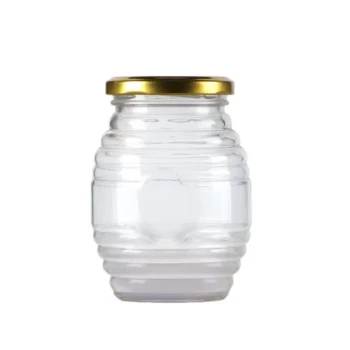
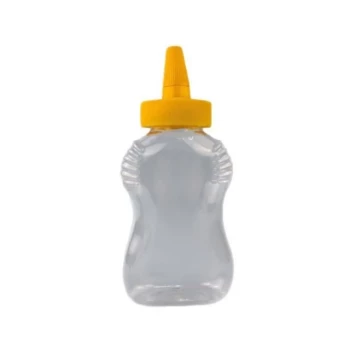
Dedicated plastic containers with sealing lids are strictly required to ensure sample integrity during transport and storage. They provide a robust physical barrier that prevents leakage and protects the sample from secondary contamination by external environmental factors.
Core Insight The primary function of these containers is to create a hermetically sealed environment that limits moisture exchange with the atmosphere. This isolation is critical for preventing fermentation and maintaining stable physicochemical properties, ensuring that subsequent pollen grain statistics and quality analyses accurately reflect the honey's original state.
Mechanisms of Sample Preservation
Blocking Moisture Exchange
Honey is a naturally hygroscopic substance, meaning it readily absorbs moisture from the air.
If exposed to high humidity, the moisture content of the honey increases. This fluctuation can trigger premature fermentation and spoilage, altering the sample before it reaches the lab. Dedicated sealing lids provide an airtight barrier that locks out atmospheric moisture, preserving the honey's original stability.
Preventing Physical Contamination
Transporting samples from a collection site to a laboratory introduces the risk of external pollutants.
Sealed plastic containers prevent the ingress of dust, microorganisms, and other foreign impurities. This ensures that the biological and chemical profile analyzed in the lab is the result of the production site, not the transport process.
Ensuring Analytical Accuracy
Safeguarding Pollen Statistics
For palynological analysis (the study of pollen), the physical environment of the sample must remain undisturbed.
Open or unsealed containers can allow foreign pollen or dust to settle into the sample, skewing results. A dedicated sealed environment safeguards the integrity of the pollen grain statistics, which are essential for determining the honey's botanical and geographical origin.
Maintaining Physicochemical Properties
Accurate laboratory results depend on the stability of the honey's chemical composition.
Airtight vessels prevent the loss of volatile aromatic compounds, which are key indicators of quality and flavor. By stabilizing the internal environment, the container ensures that tests for acidity, enzymatic activity, and sugar composition reflect the true quality of the honey at the time of collection.
Understanding the Trade-offs: Plastic vs. Glass
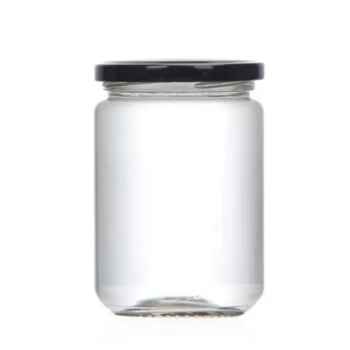
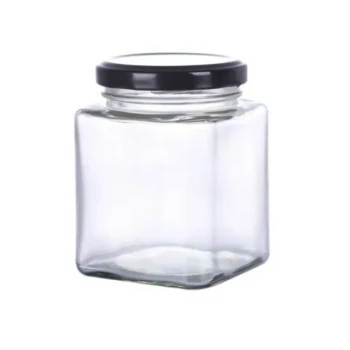
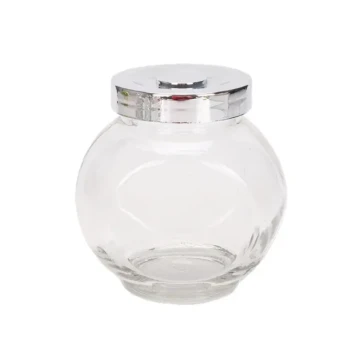
While the primary requirement is for dedicated plastic containers due to their durability and sealing capability during transport, it is important to understand the material limitations.
The Case for Plastic
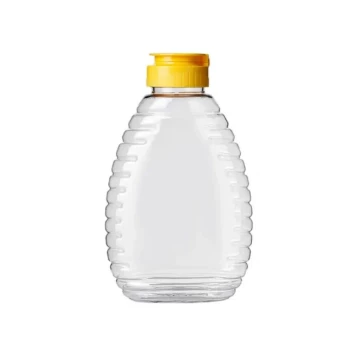
Plastic is generally preferred for field collection because it is lightweight and resistant to breakage. However, not all plastics are suitable; they must be sterile and capable of forming a true seal to be effective.
The Case for Glass (Supplementary Context)
For specific types of analysis, plastic may introduce variables.
- Trace Metal Analysis: Plastic packaging can sometimes leach trace elements. If the primary goal is analyzing the mineral profile, clean glass is often superior due to its chemical inertness.
- Chemical Reactivity: Glass is non-reactive. In very long-term storage, glass prevents potential reactions between the container material and the weak acids naturally found in honey.
Making the Right Choice for Your Goal
To ensure your sampling data is valid, select your container based on the specific analytical goals of your project.
- If your primary focus is Pollen and General Quality: Use sealed plastic containers to ensure safe transport, prevent leakage, and maintain moisture stability for accurate pollen statistics.
- If your primary focus is Trace Metal or Mineral Analysis: Use high-cleanliness glass bottles to avoid potential leaching and preserve the purity of the mineral profile.
- If your primary focus is Avoiding Fermentation: Prioritize the airtight seal above all else, regardless of material, to prevent the absorption of atmospheric moisture.
Ultimately, the container is not just a vessel; it is a controlled environment essential for valid scientific data.
Summary Table:
| Feature | Dedicated Plastic Container | Standard Unsealed Container |
|---|---|---|
| Moisture Control | Airtight seal prevents hygroscopic absorption | High risk of fermentation due to humidity |
| Pollen Integrity | Protects botanical profile for palynological analysis | Risk of cross-contamination from airborne dust |
| Physical Safety | Durable, lightweight, and leak-proof | Fragile or prone to leaks during transport |
| Chemical Stability | Preserves volatile aromatic compounds | Loss of quality indicators and flavor profile |
Maximize Your Harvest Quality with HONESTBEE
Preserving the integrity of your honey starts with the right equipment. HONESTBEE provides commercial apiaries and distributors with premium-grade beekeeping tools, industrial machinery, and essential consumables designed for professional standards. Whether you need specialized honey-filling machines for precise packaging or high-durability containers for field collection, our comprehensive wholesale solutions are tailored to your success.
Protect your product from hive to shelf—Contact us today to explore our full spectrum of hardware and industry supplies!
References
- Nchedochukwu Clara Ikegbunam, Nkechinyere Onyekwere Nweze. Melıssopalynologıcal study of Apıs Mellıfera L. honey sourced from dıfferent localıtıes in the mıddle belt of Nıgerıa. DOI: 10.4314/br.v21i1.8
This article is also based on technical information from HonestBee Knowledge Base .
Related Products
- Classic Beehive Honey Bottle Jar with Squeeze Dispenser Lid
- Classic Round Glass Honey Jar with Lid
- Modern Square Glass Honey Jar with Twist Off Lid
- Classic Drum Shaped Glass Honey Jar with Airtight Lid
- Squeezable No-Drip Beehive-Shaped Honey Jars with Flip-Top Cap
People Also Ask
- Why use high-quality honey jars? Protect Your Harvest with Superior Plastic & Glass Packaging Solutions
- What are the benefits of squeeze bottles for honey packaging? Unlock Mess-Free Convenience & Control
- How should honey bottles be prepared before pouring honey into them? The #1 Rule for Honey Longevity
- What are the features of honey bottles? Design for Convenience & Long-Term Preservation
- What are the features and benefits of using honey bottles for packaging? Optimize Preservation and Consumer Experience