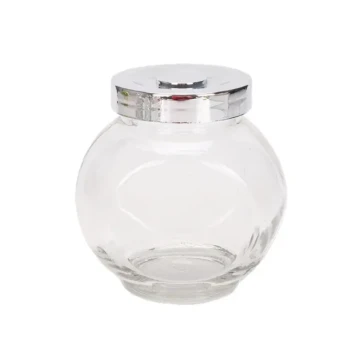
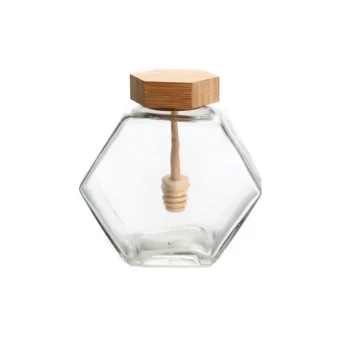
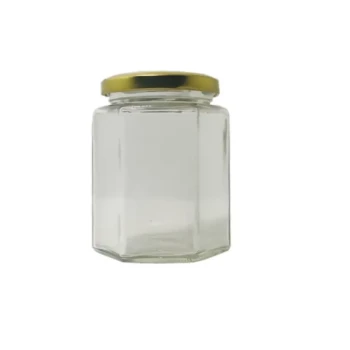
The validity of stingless bee honey analysis depends entirely on the sterility and precision of the collection method. Disposable syringes facilitate the extraction of honey directly from sealed hive pots without introducing external impurities, while sterile glass containers with sealing lids prevent moisture exchange and chemical alteration. These tools are non-negotiable for maintaining the sample's original physical and chemical properties for subsequent laboratory testing.
The high water content and bioactivity of stingless bee honey make it exceptionally fragile and prone to fermentation. Using sterile, sealed collection tools is the only way to lock in the honey's original state, ensuring that data regarding acidity, moisture, and enzymatic activity remains accurate from the hive to the lab.
Preserving Sample Integrity During Extraction
Precision Extraction via Syringes
Stingless bees store honey in distinct cerumen pots rather than open hexagonal combs. Disposable syringes allow you to penetrate these sealed pots directly, using negative pressure to draw out the honey. This "point-to-point" method isolates the sample immediately, bypassing contact with general hive debris.
Preventing Cross-Contamination
The primary risk during collection is introducing foreign microorganisms or mixing samples between colonies. Syringes are single-use tools that effectively eliminate the risk of cross-contamination between different hives. This ensures that the microbial community composition analyzed in the lab reflects the specific hive's biology, not handling errors.
Protecting Bioactive Components
Stingless bee honey contains complex, fragile bioactive components. By using a syringe to extract honey from within the pot, you reduce the honey's exposure to air (oxidation) and nest impurities. This protects the delicate flavor profiles and enzymatic properties that define the honey’s value.
Controlling the Environment via Glass Containers
Managing Moisture Content
Unlike standard honey, stingless bee honey typically has a high water content, making it chemically unstable. Sterile glass containers with tight sealing lids create a hermetic seal that prevents the exchange of moisture with the external environment. This is critical because even minor fluctuations in water content can trigger natural fermentation or alter refractive index readings.
Chemical Inertness
Glass is chemically inert, meaning it will not react with the honey's acidic or bioactive components. Storing samples in glass ensures that the acidity and enzymatic activity measurements taken in the laboratory are attributed solely to the honey, not to a reaction with a plastic or metal container.
Preventing Volatile Loss
The unique aroma and medicinal properties of this honey rely on volatile compounds. A sealing lid traps these volatiles inside the container. Without this seal, the chemical profile changes during transport, rendering subsequent sensory and chemical analyses inaccurate.
Understanding the Trade-offs
Fragility in Field Conditions
While glass offers superior chemical stability, it presents a logistical challenge during fieldwork due to its fragility. Transporting glass containers requires careful padding and secure packing to prevent breakage, which can result in the total loss of valuable samples.
Environmental Considerations
The use of disposable syringes guarantees sterility but generates plastic waste. While necessary for high-precision scientific analysis to prevent contamination, this approach may conflict with sustainability goals if used for large-scale commercial harvesting rather than sampling.
Extraction Speed
Syringe extraction is a meticulous, manual process. It is significantly slower than bulk harvesting methods (such as suction pumps), making it ideal for sampling and quality control but potentially inefficient for high-volume production.
Making the Right Choice for Your Goal
To select the correct workflow for your specific project, consider the following:
- If your primary focus is Laboratory Analysis: Prioritize the use of new, sterile syringes for every individual sample to guarantee that microbial and chemical data is free from cross-contamination.
- If your primary focus is Shelf-Life Testing: Ensure your glass containers have high-quality sealing lids to completely block moisture ingress, as this is the primary driver of fermentation in stingless bee honey.
- If your primary focus is Bioactive Preservation: Use amber glass containers if available to add a layer of protection against light-induced degradation of phenolic compounds.
By strictly adhering to sterile extraction and sealed glass storage, you convert a volatile raw material into a reliable scientific standard.
Summary Table:
| Feature | Recommended Tool | Primary Benefit |
|---|---|---|
| Extraction Method | Disposable Syringe | Prevents cross-contamination and debris entry |
| Storage Material | Sterile Glass Container | Chemical inertness; no reaction with honey acidity |
| Sealing Mechanism | Tight Sealing Lid | Prevents moisture exchange and volatile loss |
| Best Use Case | Laboratory Analysis | Guarantees scientific accuracy and sample stability |
Elevate Your Beekeeping Standards with HONESTBEE
Maintaining the purity of stingless bee honey requires professional-grade precision. HONESTBEE is dedicated to supporting commercial apiaries and distributors with high-quality beekeeping tools, specialized machinery, and essential consumables. Whether you need sophisticated honey-filling machines for your production line or durable hardware for hive management, we provide the comprehensive wholesale solutions your business deserves.
Ready to scale your apiary operations with industry-leading equipment?
Contact HONESTBEE Today to explore our full spectrum of beekeeping hardware and machinery.
References
- Rogério Marcos de Oliveira Alves, Ana Maria Waldschmidt. Physico-chemical Parameters of Honey From Melipona mondury Smith, 1863 (Hymenoptera: Apidae: Meliponini). DOI: 10.5539/jas.v10n7p196
This article is also based on technical information from HonestBee Knowledge Base .
Related Products
- Classic Round Glass Honey Jar with Lid
- Modern Square Glass Honey Jar with Twist Off Lid
- Classic Drum Shaped Glass Honey Jar with Airtight Lid
- Hexagonal Glass Honey Jar with Wooden Lid Integrated Dipper Elegant Functional Storage
- Hexagonal Glass Honey Jars with Metal Lug Caps Elegant Versatile Packaging
People Also Ask
- What is the aesthetic appeal of using glass jars for honey? Elevate Your Brand with Premium Packaging
- What are the advantages of glass containers for honey? Elevate Quality and Market Value with Premium Packaging
- How does the appearance of glass jar packaging affect the sales and perception of honey? Boost Your Premium Brand Value
- Why is a glass jar preferred for packaging honey? Ultimate Protection for Purity & Flavor
- What are the advantages of using high-quality glass containers in the commercial packaging of honey? Boost Premium Value