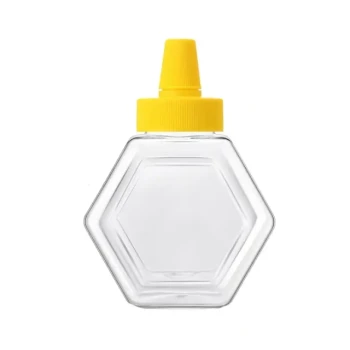
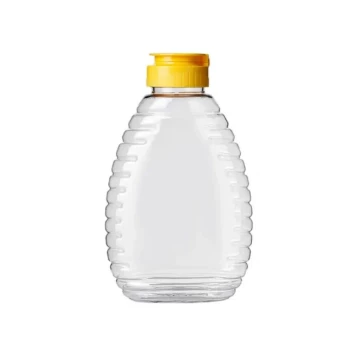
Food-grade non-toxic plastic bottles are chosen primarily to neutralize the variable of container interaction during the scientific monitoring of Cassava honey. Because this honey is acidic, using chemically inert plastic prevents reactions between the container material and the liquid. This isolation is strictly necessary to accurately measure the natural degradation of Hydrocyanic Acid (HCN) without data distortion.
The selection of high-performance packaging is not merely for storage; it is a control measure. By eliminating chemical reactivity and environmental exposure, researchers ensure that the observed decline in cyanide levels is the result of natural decay kinetics, ensuring the absolute integrity of the study.
Preserving Chemical Integrity
Preventing Acidic Reactions
Cassava honey possesses an acidic chemical profile. Standard or metallic containers risk reacting with this acidity, which could introduce foreign compounds into the sample.
Food-grade non-toxic plastic is chemically stable. It acts as a neutral barrier, preventing the container material from leaching into the honey or altering its composition.
Isolating Natural Decay Kinetics
The primary scientific goal is to observe how HCN breaks down naturally over time at room temperature.
If the container interacts with the honey, it accelerates or retards this process artificially. Plastic bottles maintain the chemical status quo, ensuring the data reflects only the natural decay kinetics of the cyanide.
Environmental Protection and Stability
Controlling Moisture and Fermentation
Honey is hygroscopic, meaning it naturally absorbs moisture from the surrounding atmosphere. If left unchecked, this absorption leads to fermentation and spoilage.
Food-grade plastic containers provide an effective airtight seal and moisture resistance. This barrier is critical for keeping the water content stable throughout the observation period.
Maintaining Physicochemical Characteristics
Studies on HCN degradation often require long-term observations that may span production off-seasons.
These containers ensure that the honey's physicochemical characteristics remain unaffected by external environmental factors. This stability allows for accurate monitoring regardless of external weather changes or storage duration.
Critical Considerations for Material Selection
The "Food-Grade" Requirement
It is vital to distinguish between general plastic and food-grade non-toxic plastic.
Standard plastics may contain stabilizing chemicals that are not safe for consumption or chemical analysis. Only non-toxic, food-grade variants ensure the sample remains pure and safe for eventual market value assessment.
Commercial Implications
Beyond the scientific study of HCN, the choice of container directly impacts the honey's economic viability.
By preventing spoilage through proper sealing, these containers preserve the honey's market value. This allows producers to store inventory safely during price fluctuations or off-seasons without degrading quality.
Making the Right Choice for Your Goal
Selecting the correct vessel is a prerequisite for reliable data. Consider your primary objective when selecting storage materials:
- If your primary focus is scientific accuracy: Prioritize chemically inert, non-toxic plastic to prevent the honey's acidity from reacting with the vessel and skewing HCN decay data.
- If your primary focus is product preservation: Ensure the container offers a high-performance airtight seal to block atmospheric moisture and prevent fermentation.
Ultimately, the integrity of your chemical analysis relies as much on the stability of the container as it does on the methodology of the test.
Summary Table:
| Feature | Benefit for HCN Monitoring | Importance for Cassava Honey |
|---|---|---|
| Chemical Inertness | Prevents reactions between container and honey | Ensures accurate measurement of natural HCN decay |
| Acid Resistance | Stops leaching of foreign compounds | Maintains the honey's natural acidic profile |
| Airtight Sealing | Blocks moisture and environmental factors | Prevents fermentation and physicochemical changes |
| Non-Toxic Material | Eliminates risk of chemical contamination | Preserves sample integrity for market value assessment |
Elevate Your Beekeeping Operations with HONESTBEE
At HONESTBEE, we understand that maintaining the chemical integrity of specialty products like Cassava honey requires more than just standard storage—it requires professional-grade equipment. As a leading supplier for commercial apiaries and global distributors, we provide a comprehensive range of solutions designed to protect your harvest and optimize your production.
Our value to your business includes:
- High-Performance Packaging: Food-grade, chemically stable containers that preserve honey quality and ensure safety.
- Advanced Machinery: From hive-making to honey-filling machines, we streamline your workflow for maximum efficiency.
- Complete Wholesale Supply: Access the full spectrum of beekeeping tools, industry consumables, and honey-themed merchandise.
Whether you are scaling a commercial apiary or looking for a reliable wholesale partner, HONESTBEE is here to support your success.
Ready to upgrade your equipment? Contact us today to discuss your wholesale needs!
References
- Lucimar Peres de Moura Pontara, Valter Eugênio Saia. Physicochemical and microbiological characterization of cassava flower honey samples produced by africanized honeybees. DOI: 10.1590/s0101-20612012005000066
This article is also based on technical information from HonestBee Knowledge Base .
Related Products
- Food Grade Plastic Honey Bucket Pail for Beekeeping
- Hexagonal Squeeze Honey Bottle with No Drip Lid
- Classic Beehive Honey Bottle Jar with Squeeze Dispenser Lid
- Squeezable No-Drip Beehive-Shaped Honey Jars with Flip-Top Cap
People Also Ask
- What key operational precautions should be taken when using honey buckets and extractors fitted with bottom drain taps?
- What functions do food-grade honey buckets perform? Safeguard Your Harvest and Optimize Apiary Logistics
- Why are food-grade plastic buckets preferred for honey? Protect Quality with Modern Honey Collection Tools
- What is the significance of food-grade plastic honey collection buckets? Boost Quality in Forest Honey Logistics
- What is a honey pail? The Essential Container for Protecting Your Honey's Value